Skip to content

Best Time to Plant Trees in Nova Scotia

Best Time to Plant Trees in Nova Scotia

Bare branches in March and a soft, thawing yard are the first sign that tree-planting season in Nova Scotia is close. For shade and ornamental trees the main window runs April to May, with a fall window in September and October. Fruit trees go in during spring only.

When Is the Best Time to Plant Trees in Nova Scotia?

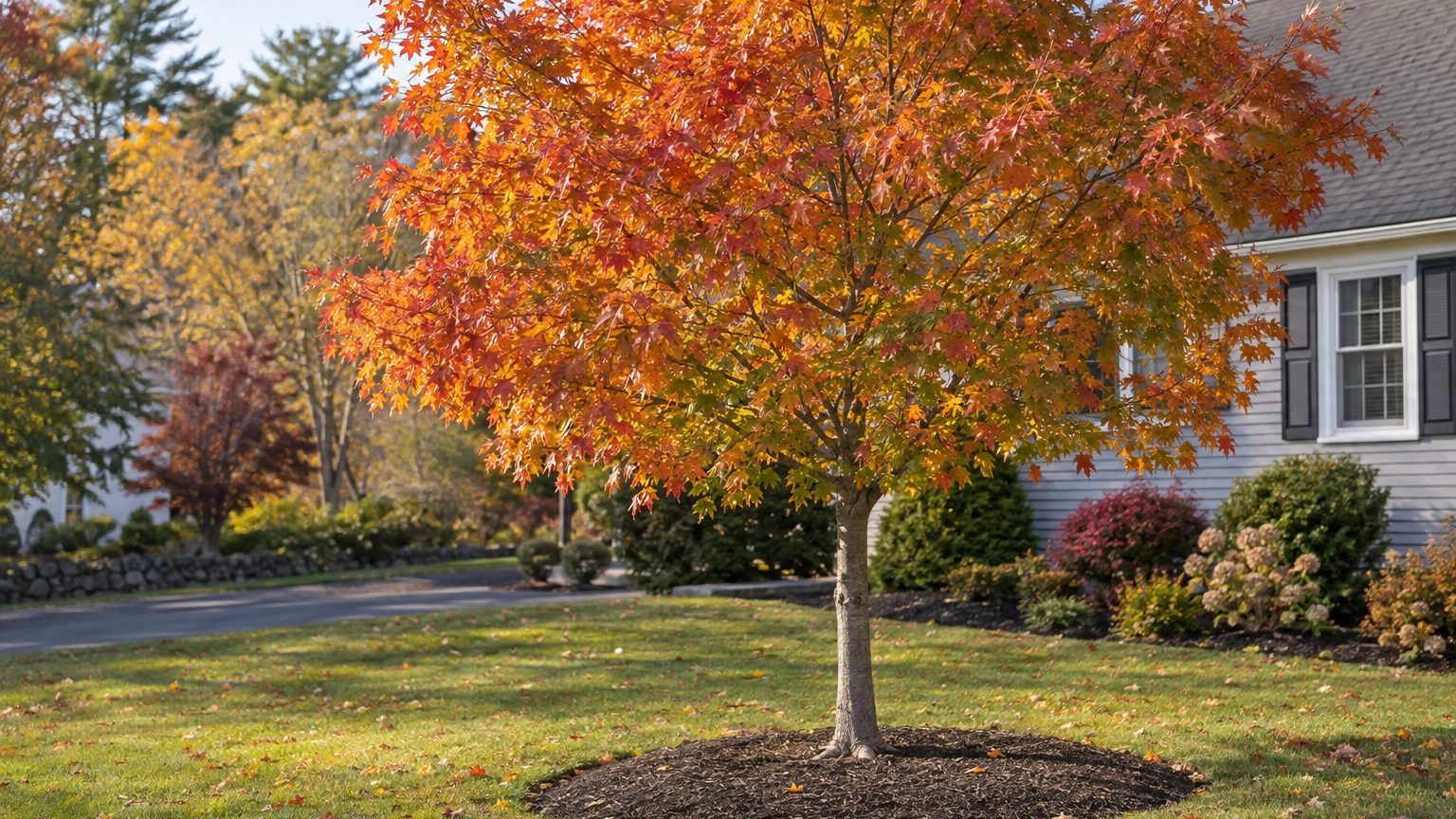
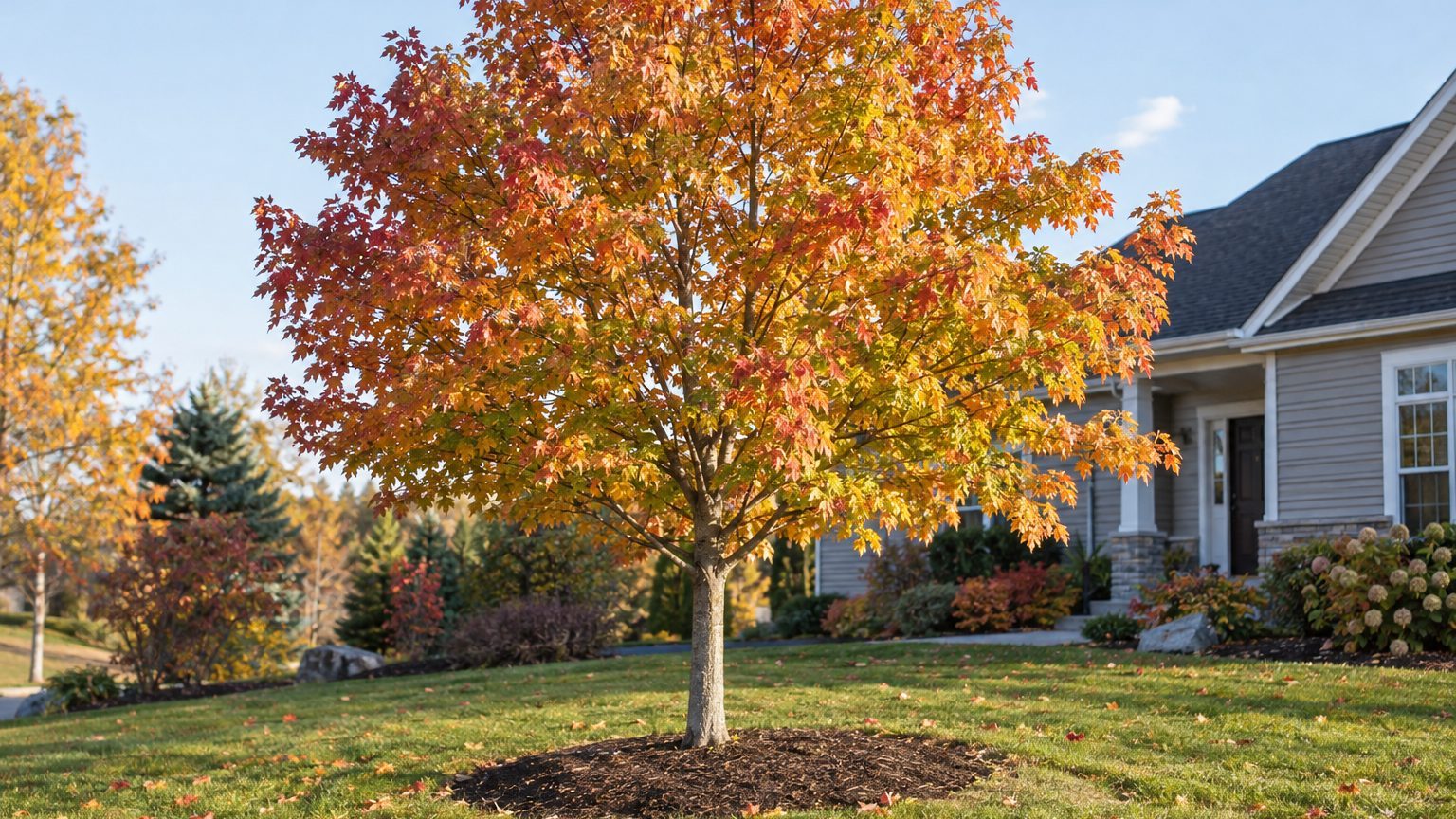
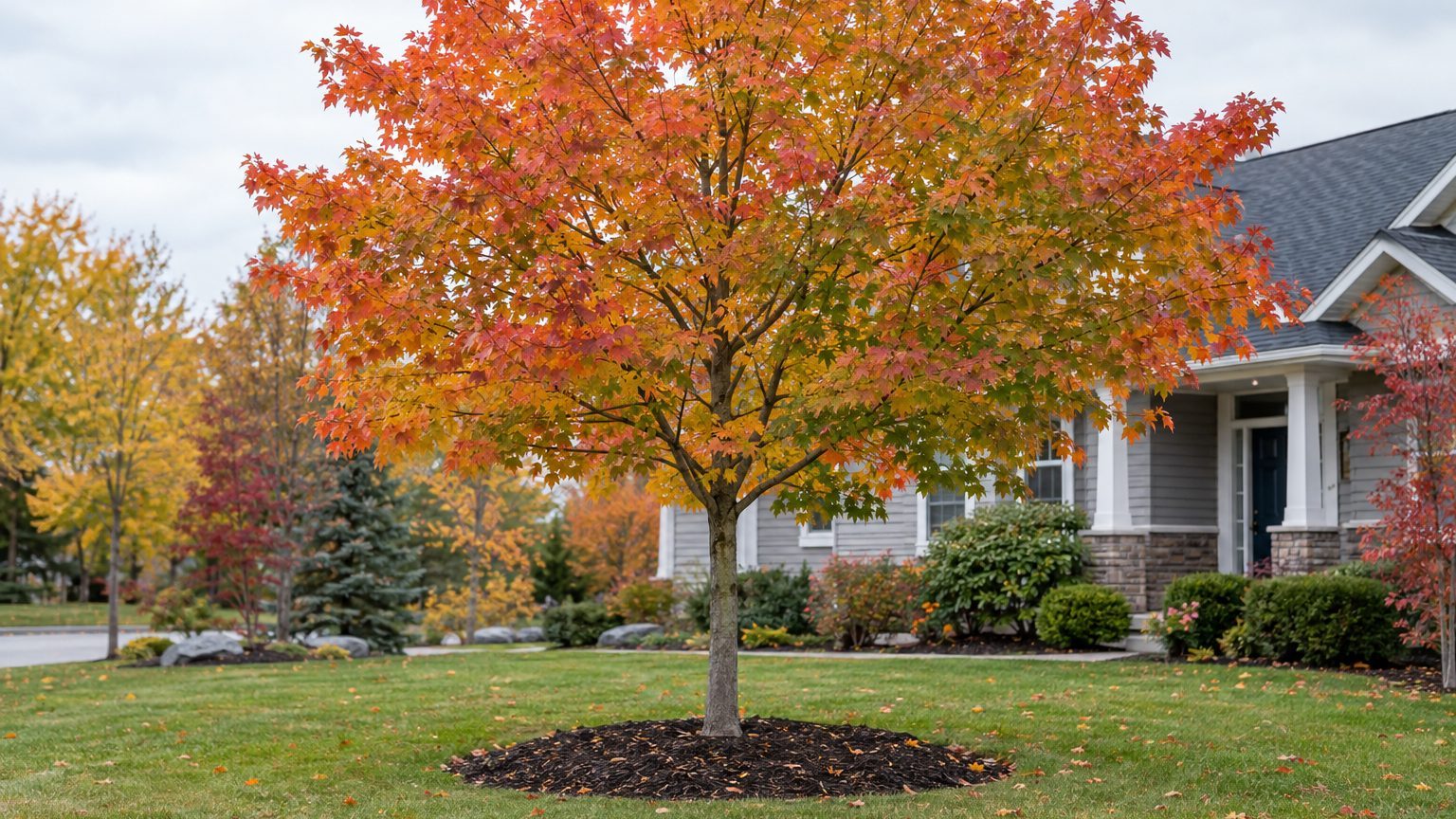
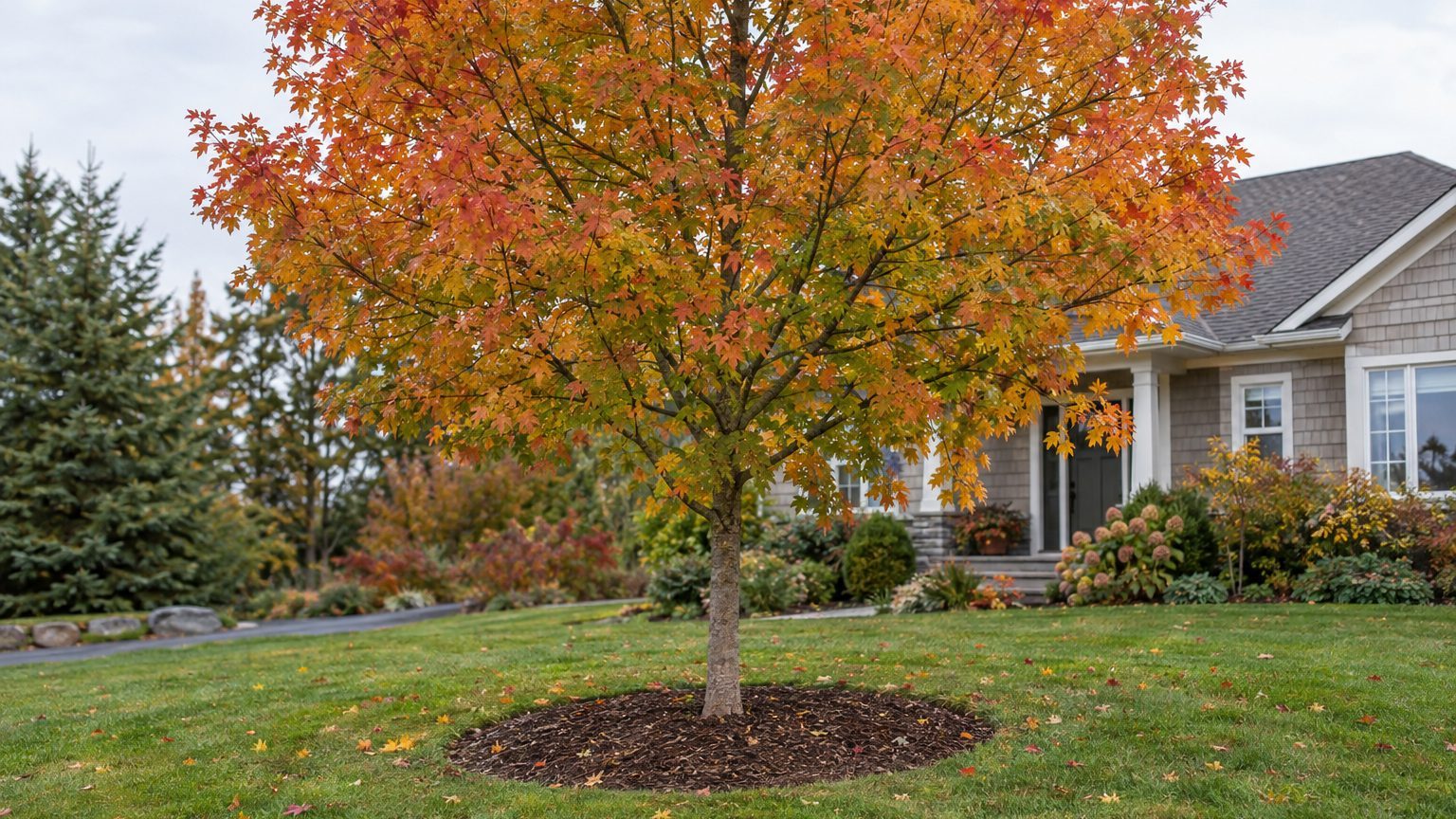
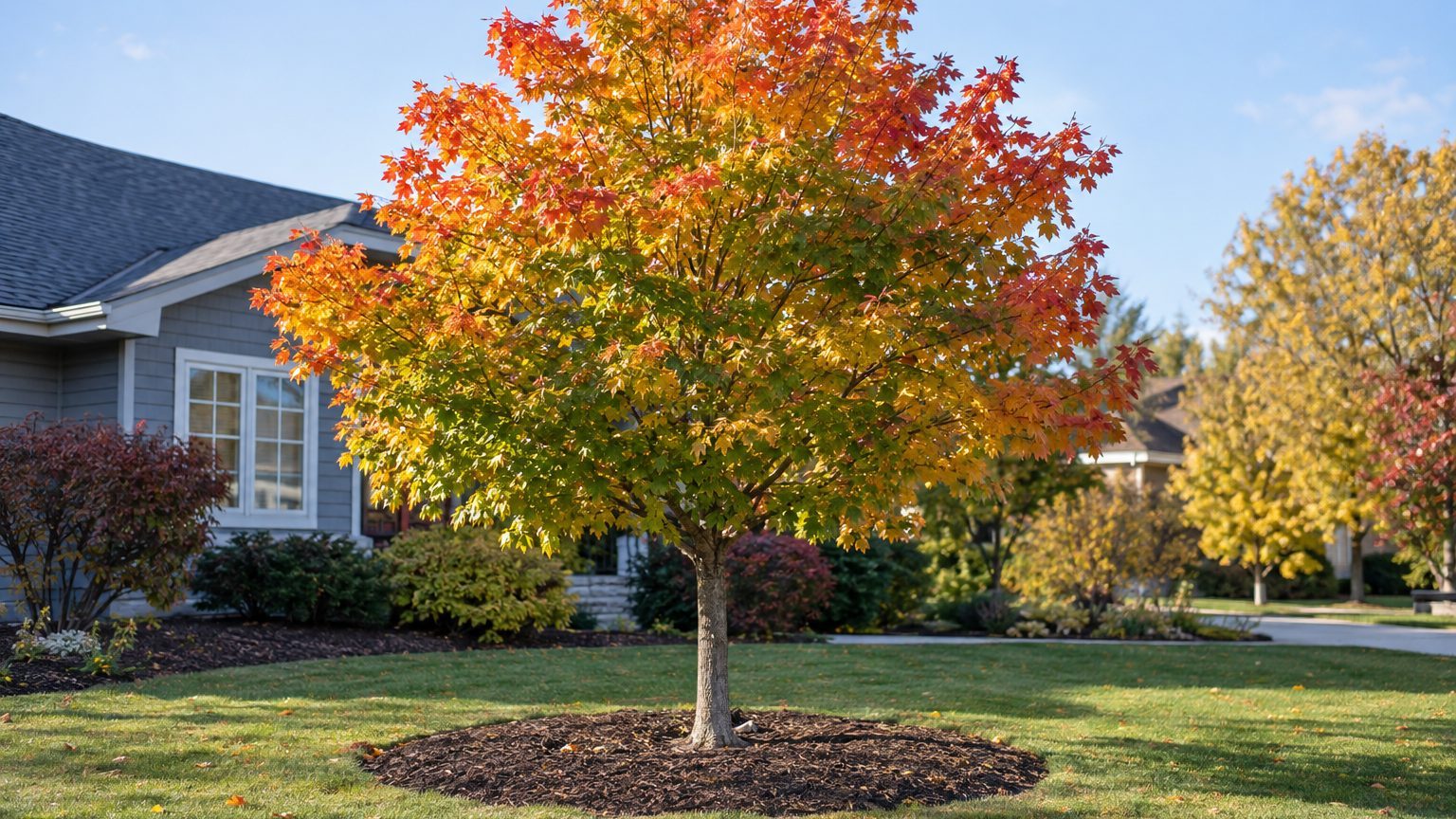
A young shade tree newly planted in a home yard

Spring is the best season for planting shade and ornamental trees in Nova Scotia, with a fall window as a backup, and the year breaks down like this.

  • In April, once the frost is out of the ground, you can set container and balled-and-burlapped trees in the soil.
  • Through May, planting continues while the soil is cool and moist, and the roots grow before summer heat arrives.
  • In late May or early June, container and balled-and-burlapped trees can still go in, though the window is closing.
  • In July and August, hold off. Heat and dry soil stress new roots, and summer is the hardest time to plant a tree.
  • In September and October, fall planting works for many trees, as long as it is finished before the end of October.
  • After planting in fall, water the tree regularly until the ground freezes.

Nova Scotia has no local extension page on tree timing, so these dates follow the nearest comparable climate. Confirm local timing with a garden centre, a garden society or the provincial gardening groups.

The type of plant matters too. Container-grown trees can go in most of the year if you keep them watered, but they settle best in the dormant season. Magnolia, dogwood, tuliptree, sweet gum, red maple, birch, hawthorn, poplars, cherries, plums and many oaks do better planted in spring than in fall.

At the Halifax Stanfield reference station, the last spring frost falls on average around May 7, and the first fall frost around October 18. Those are midpoints, so frost can come later in spring or earlier in fall, and upland or northern districts run weeks behind Halifax. The reference city sits in Canadian hardiness zone 6b, a Canadian rating that does not convert to a USDA zone.

When to Plant Fruit Trees in Nova Scotia

Plant fruit trees in April or May, as soon as the frost has left the ground. A bare-root tree should go in while it is still dormant, before the buds open, which usually means April or early May.

Fall planting is not an option for fruit trees here. The winters are too cold for a newly planted fruit tree to get established.

Kind of fruit tree When to plant in Nova Scotia Why then
Bare-root April to early May, once the soil can be worked The tree is dormant and the buds have not opened
Container-grown April to May Roots grow into cool, moist soil, and the tree settles best when dormant

Bare-root stock is usually less expensive than container trees, and it establishes well when planted on time. If the ground is still frozen in April, wait for it to thaw rather than forcing a hole into frozen soil.

Best Trees to Plant in Nova Scotia

Match the tree to your site. Sun, soil drainage and winter exposure decide more than any list, and the trees below are ones that regional guidance names for cool, northern climates like this one.

Tree How it does in Nova Scotia Why
Paper birch Suits cool sites with plenty of light It adapts to a variety of soils but needs full sun
Aspen Does best in an open, sunny spot It is shade-intolerant and survives best with full sunlight
Red maple Fits many soils It adapts to a variety of soils
Eastern redbud Works in a sheltered corner It is on the edge of hardiness, so protect it from drying winds and ice that breaks brittle limbs

Sugar maples are handsome, but they dislike road salt, compacted soil and heat, so keep them away from driveways and salted roads. Magnolia, tuliptree, oak and ginkgo are better planted in spring than fall. Apricot trees are generally hardy through the winter, but they quickly become tender as temperatures rise in late winter. The plum-apricot hybrid Spring Satin does not tolerate the freeze-thaw cycles of late winter.

When to Plant, Water and Prune Trees in Nova Scotia

Planting, watering and pruning each have their own moment. The table sets them side by side, and the main rule is to work with the tree while it is dormant or while the soil is workable.

Task Best timing in Nova Scotia Why then
Plant shade and ornamental trees April to May, or September to October Roots grow in cool, workable soil, away from summer heat
Plant fruit trees April to May, never in fall Winters are too cold for a newly planted fruit tree
Water a young tree Regularly after planting, and in fall until the ground freezes New roots need steady moisture before winter
Prune fruit trees March to April, while dormant Pruning late in winter least affects winter hardiness and tree health

Prune before the buds swell, and avoid pruning in fall or early winter, because new growth may not harden before the cold. Apples go first and peaches last, since peach flower buds are easily hurt by cold. The page on pruning fruit trees in Nova Scotia covers the details.

Where to Get Tree Advice in Nova Scotia

Nova Scotia has no county extension offices, so advice comes from the province and from local gardeners. Both can help with choosing a tree for your site or testing your soil before you dig.

  • The Nova Scotia Department of Agriculture is the place to ask about tree choice and soil testing, ideally in late winter before planting begins.
  • A local garden centre or garden society can tell you how your district compares with Halifax, so ask in March before the soil thaws.

Common Questions

Can You Plant a Tree in July in Nova Scotia?

You can, if the tree is container-grown and you water it faithfully, but it is a hard season for new roots. Waiting for April, May or fall gives the tree a much easier start.

Should You Remove the Burlap from a New Tree?

Remove or fold back the burlap and any wire basket once the tree sits in the hole, so roots can spread freely into the surrounding soil. Keep the root flare at the soil line when you backfill.

Is Fall a Good Time to Plant Trees in Nova Scotia?

For many shade and ornamental trees, yes, as long as planting is finished before the end of October. Choose spring for the trees that dislike fall planting, and keep fruit trees for spring only.
Best Time to Plant Trees in Northwest Territories

Best Time to Plant Trees in Northwest Territories

Fall planting gives a new tree the most forgiving start in the Northwest Territories, because the roots can recover before the next growing season. Shade and ornamental trees go in during September, with May as a fallback once the ground thaws.

When Is the Best Time to Plant Trees in Northwest Territories?

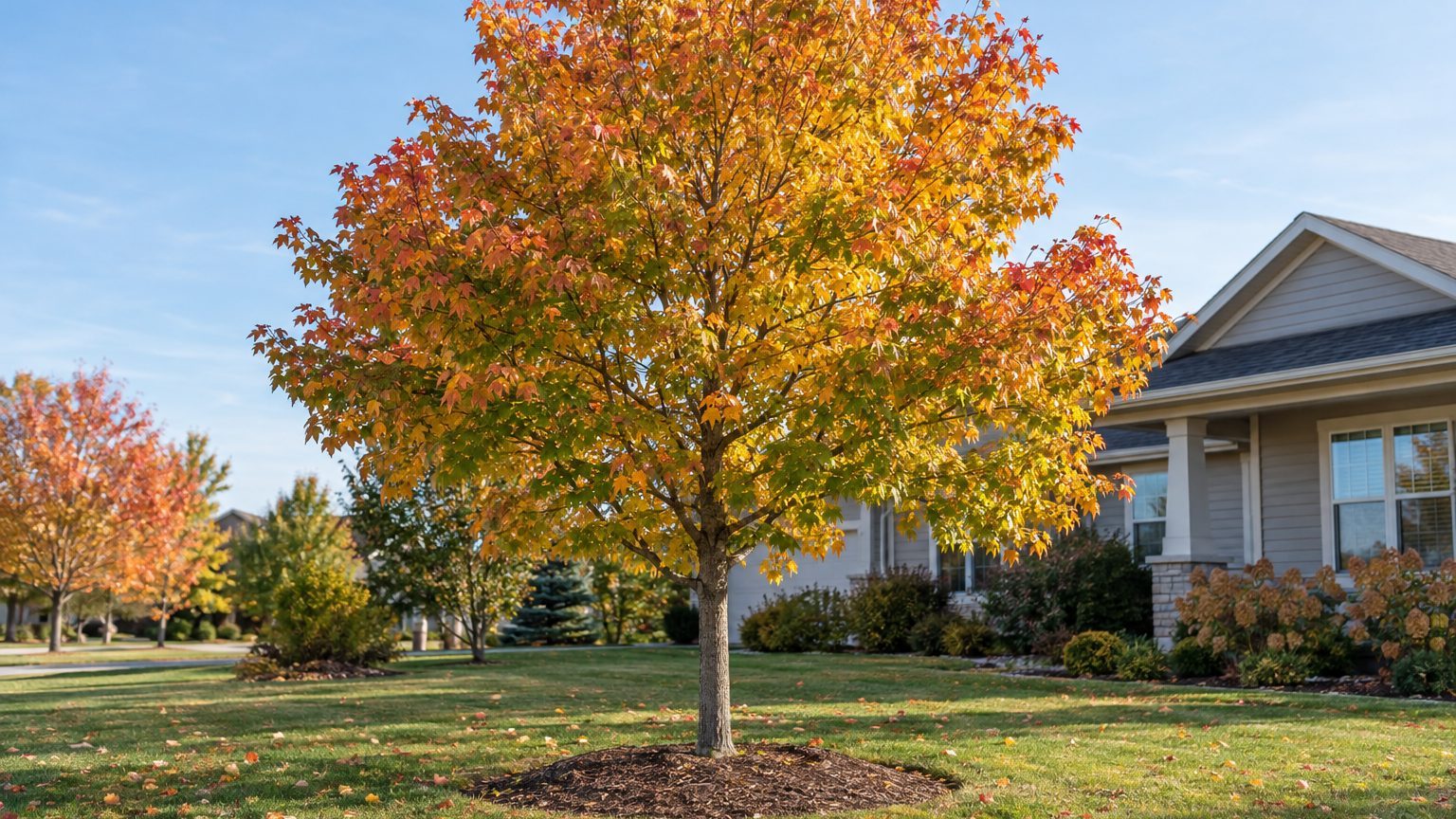
A young shade tree newly planted in a home yard

September is the time to plant shade and ornamental trees, whether they come in a container or a burlapped root ball, and May works when the ground has thawed. The territory has no local tree-timing guidance of its own, so these months follow a comparable cold climate. Confirm local timing with a garden centre, a garden society or a territorial gardening group.

  • In May, once the ground thaws enough to dig, a tree can still go in while dormant, though leaves often start by the time the soil is workable.
  • Container-grown trees can go in through much of the growing season if you keep them watered, but they settle best when planted in the dormant season.
  • In summer, planting is hardest on a tree, since heat and dry soil stress the new roots.
  • In September, the tree is entering dormancy, and a root system damaged by the move has time to regrow and recover before winter.
  • After a fall planting, keep watering the tree until the ground freezes.

At Yellowknife, the average last spring frost falls around May 25, and in one year out of two it arrives later. The average first fall frost comes around September 18, and in one year out of two it arrives earlier. Northern districts run weeks behind that station. The Canadian hardiness zone there is 1b, a separate system from USDA zones.

When to Plant Fruit Trees in Northwest Territories

Plant a bare-root fruit tree as soon as the soil can be worked in late winter, while the tree is still dormant and before the buds open. Waiting until the buds swell asks the roots to feed new growth they have not yet anchored.

Container-grown fruit trees are more flexible, though the dormant season still suits them best.

Kind of fruit tree When to plant in Northwest Territories Why then
Bare-root As soon as the soil can be worked, before the buds open The tree is dormant and has no leaves to support
Container-grown Most of the year if watered, best in the dormant season The roots are intact, but they settle more easily without leaves to feed

For apples, cherries, plums and the varieties that stand up to cold, the page on the best fruit trees to grow in the territory goes into detail.

Best Trees to Plant in Northwest Territories

Crabapples are the ornamental trees that handle a cold northern climate, and breeding has produced many hardy cultivars. Choose by the room you have, the sun the spot gets and the hardiness zone, then confirm the pick with a local garden centre.

Tree How it does in Northwest Territories Why
Hardy crabapple cultivars Some survive the deepest winter cold Breeding work has targeted extreme cold hardiness, so that trees can withstand very severe winter temperatures
Siberian crabapple Grows well in cold northern climates Bears edible fruit slightly larger than wild crabapples
Dolgo crabapple Grows well in cold northern climates Also bears edible fruit slightly larger than wild crabapples

Crabapples give spring bloom and fruit in a single tree, which suits a front yard with limited room. Hardiness varies from cultivar to cultivar, so check the one you pick rather than assuming the whole group will cope with your winters.

When to Plant, Water and Prune Trees in Northwest Territories

A tree’s year here runs on dormancy. Planting and pruning both happen when the tree is asleep, and watering carries a fall planting to the freeze.

Task Best timing in Northwest Territories Why then
Plant shade and ornamental trees September, or May once the ground thaws The tree is dormant and the roots can recover
Water a young tree Regularly after planting, until the ground freezes New roots need moisture before the soil locks up
Prune fruit trees March to April, while the tree is dormant Cuts heal before growth starts, and the buds have not swelled

Avoid pruning a fruit tree in fall or early winter, because new growth may not harden before the cold. Apples are pruned first and peaches last, closest to bloom, since peach flower buds are easily hurt by cold. The page on when to prune fruit trees covers the cuts themselves.

Where to Get Tree Advice in Northwest Territories

Canada has no county extension offices, so tree questions go to the territorial agriculture department, a local garden society or a garden centre. Each can speak to local soil and species choice.

  • The Department of Industry, Tourism and Investment handles agriculture in the territory, so start there with questions on hardy species or growing conditions.
  • A local garden society or master gardener group can tell you which trees have held up in your neighbourhood, and they are worth contacting well before a September planting.
  • A garden centre can confirm timing and stock for your spot, and the weeks before the fall planting window are the time to ask.

Common Questions

Are Apple Rootstocks from Southern Nurseries Hardy Enough?

Not reliably. The Malling, Merton Malling and EMLA dwarfing rootstocks that nurseries commonly sell in the Lower 48 are not dependably winter-hardy in cold interior climates. Ask for a tree on a rootstock known to take hard winters.

Do Tart Cherries Handle Cold Better than Sweet Cherries?

Sour or tart pie cherries are considerably hardier than sweet types. They do best on a well-drained, sandy loam, so a heavy or soggy spot will set them back whatever the winter does.

Which Plum or Apricot Survives in a Cold Interior Climate?

The Manchurian plum is the variety proved winter-hardy in cold southcentral conditions, and it can yield ripe, sweet fruit. Manchurian apricots are also reliably hardy. Both are grown from seed, so fruit quality varies from tree to tree.

Best Time to Plant Trees in North Dakota

Best Time to Plant Trees in North Dakota

A young maple or crabapple set into cold, workable ground in spring has the whole growing season to settle in before North Dakota winter returns. Getting the timing right for your yard means knowing when to plant shade, ornamental and fruit trees, which ones hold up in North Dakota, and when to water and prune.

When Is the Best Time to Plant Trees in North Dakota?

A young shade tree newly planted in a home yard

Plant shade and ornamental trees in April and May, while the buds are still closed and the soil can be worked, with September and October as a fallback.

  • In April, once the ground thaws enough to dig, set container and balled-and-burlapped trees before the buds open.
  • Through May, planting still works well, because the roots grow into soil that is warming and the tree has the whole season to establish.
  • In summer, hold off if you can, since heat and dry soil stress new roots more than at any other time of year.
  • From September through early October, fall planting also works for many hardwoods, as long as you water the tree until the ground freezes.
  • For magnolia, dogwood, tuliptree, sweet gum, red maple, birch, hawthorn, poplars, cherries, plums and many oaks, spring is the better choice over fall.

Bare-root trees go in while dormant, before the buds open. Container-grown trees can be planted most of the year if watered, though they settle best in the dormant season. At the reference city, the last spring frost falls between May 4 and May 15, and the first fall frost between September 25 and October 5. Gardens outside town usually frost later in spring and earlier in fall, often by one to two weeks, so check your own county. The state sits in USDA zones 3a to 4b, which is why hardiness matters when you choose a tree.

When to Plant Fruit Trees in North Dakota

Plant fruit trees in April and May. Bare-root trees go in as early as the soil can be worked, before the buds open, and container trees follow the same spring window.

Bare-root trees arrive dormant, so they need to be in the ground before they leaf out. Container trees are more forgiving, but spring still gives their roots the longest stretch of growth before winter.

Kind of fruit tree When to plant in North Dakota Why then
Bare-root April to May, before the buds open The tree is dormant and the roots start growing as the soil warms
Container April to May Roots have the full season to settle before the cold

Rootstock matters as much as timing in cold country. Rootstocks mostly set an apple tree’s height and how soon it bears, and some also add cold hardiness. The Budagovsky series is known for that hardiness, and the Geneva series includes rootstocks tolerant of replant disease and crown and root rot.

Best Trees to Plant in North Dakota

Choose trees rated for your zone and match them to the space and sun you have. Crabapples are a dependable ornamental choice because they tolerate a wide range of soils, provided the soil drains well.

Cultivar choice matters, since some crabapples are far more disease prone than others. Look for named disease-resistant selections rather than buying on bloom alone.

Tree How it does in North Dakota Why
Crabapple Does well in well-drained soil Tolerates a wide range of soil conditions
Columnar Siberian crabapple Grows as a narrow, upright tree but needs care Highly susceptible to fireblight

For other shade trees, let your site decide. Measure the open space, note how many hours of sun it gets, and confirm the tree’s hardiness zone fits the 3a to 4b range before you buy.

When to Plant, Water and Prune Trees in North Dakota

Planting happens in spring, watering follows the tree through its first seasons, and fruit trees are pruned while dormant. Each task has a moment when the tree is best able to take it.

Task Best timing in North Dakota Why then
Plant shade and ornamental trees April to May, or September to early October Roots grow in workable soil before heat or hard cold
Plant fruit trees April to May Bare-root trees must go in before the buds open
Water a young tree Regularly through the growing season, and in fall until the ground freezes New roots need steady moisture to establish
Prune fruit trees March to April, while dormant The coldest weather has passed and the buds have not yet broken

Skip fruit tree pruning in fall or early winter, because new growth may not harden before the cold. Apples are pruned first, and peaches last, closest to bloom, since their flower buds are easily hurt by cold. Oaks are not pruned from March through October, to limit the spread of oak wilt. The page on when to prune fruit trees covers the details.

Where to Get Tree Advice in North Dakota

NDSU Extension and your county extension office can help with choosing a species for your site and testing your soil.

  • Ask the county office about which trees suit your soil and zone, and go before you order stock.
  • Bring a soil sample in late winter or early spring, so the results are in hand before planting begins.

Common Questions

Can You Plant a Tree in July?

You can, if the tree is container grown, but summer is the hardest season for it. Heat and dry soil stress the new roots, so the tree needs frequent watering until it settles.

Should You Remove the Burlap from a Balled-and-Burlapped Tree?

Yes. Set the tree at the right height, cut away wire baskets and loosen or remove the burlap from the top of the ball before backfilling, so roots can spread freely into the surrounding soil.

How Long Should You Water a Newly Planted Tree in Fall?

Keep watering a fall-planted tree until the ground freezes. The roots are still active in cool soil, and moisture going into winter helps the tree come through the cold.

Best Time to Plant Trees in North Carolina

Best Time to Plant Trees in North Carolina

A young tree planted in the cool of fall spends the winter quietly growing roots, and by the following summer it is ready for the heat. In North Carolina, that rhythm shapes when to plant shade trees, ornamentals and fruit trees, and which ones suit the state’s yards.

When Is the Best Time to Plant Trees in North Carolina?

A young shade tree newly planted in a home yard

Fall is the season to plant shade and ornamental trees in North Carolina, with spring as the fallback and summer best avoided. Cooler air, warm soil and steadier rain let roots grow without heat stress. Through the year, it goes like this:

  • In March, container and balled-and-burlapped trees can still go in the ground, and it is the main fallback when fall was missed.
  • Through summer, planting is best avoided, because heat and dry soil stress new roots.
  • In September, planting can begin, and the warm soil gives roots a head start.
  • In October and November, conditions are ideal, with cool air, warm soil and more consistent rainfall.
  • In December, planting is still possible while the ground stays workable.

Container trees can go in most of the year if you water them, but they settle best when planted while dormant. Bare-root trees go in while dormant, before the buds open. In Charlotte, in the Piedmont, the last spring frost falls between March 23 and April 5, and the first fall frost between October 30 and November 8. The mountains run several weeks later in spring and the coastal plain earlier. Hardiness zones in the USDA system run from 5b to 8b across the state.

When to Plant Fruit Trees in North Carolina

Plant fruit trees in January through March, while they are dormant. Apples, for example, are usually planted in that window. Bare-root trees in particular need to go in before the buds open.

Container-grown fruit trees are more forgiving, though they also settle best when planted in the dormant season.

Kind of fruit tree When to plant in North Carolina Why then
Bare-root January through March, while dormant The tree is planted before the buds open
Container January through March is best It settles best when planted in the dormant season

Container trees can go in at other times of year if you keep them watered, but summer is the hardest season for any new planting.

Best Trees to Plant in North Carolina

Native and understory trees do well here, especially in part shade and moist, well-drained soil. Crabapples and redbuds are good examples. Match any tree to the space, the sun and your hardiness zone before you buy.

Tree How it does in North Carolina Why
Southern crabapple Native, reaching about 20 to 30 feet tall Does best in part shade and moist, well-drained soil, and feeds bees in early spring
Redbud Grows well in part shade It is an understory tree that likes moist, well-drained soil
Malus ‘Sutyzam’ crabapple A disease-resistant crabapple Resists rusts, fire blight and scab

When you pick a crabapple, look for cultivars that resist rusts, fire blight and scab. For fruit varieties, apples are a solid choice in the Piedmont, where Gala, Fuji, Golden Delicious and Red Delicious are recommended. Peaches tend to perform poorly here most years.

When to Plant, Water and Prune Trees in North Carolina

Planting, watering and pruning each have their own moment. Plant in fall for shade trees and in the dormant season for fruit trees, then water new trees through their first stretch, especially in dry spells. Pruning of fruit trees waits for late winter.

Task Best timing in North Carolina Why then
Plant shade and ornamental trees October and November Cool air and warm soil help roots grow
Plant fruit trees January through March The tree is dormant
Water a young tree Regularly after planting, and through dry weather New roots dry out fast, especially in summer heat
Prune fruit trees February for most, while dormant and before the buds swell Pruning in fall or early winter invites new growth that may not harden before the cold

Apples and pears are pruned first, from mid-January, and peaches and plums from mid-February to early March. Peaches go last because their flower buds are easily hurt by cold. Remove burlap and wire baskets from balled-and-burlapped trees at planting so roots can spread. The page on when to prune fruit trees in North Carolina goes deeper on pruning.

Where to Get Tree Advice in North Carolina

NC State Extension and your county extension office can help with choosing a tree for your site and with soil testing.

  • County offices can recommend trees suited to your local soil and conditions, and fall is a good time to ask before you plant.
  • A soil analysis shows what the ground needs, and winter is a good time to send a sample.

Common Questions

Can You Plant a Tree in Summer in North Carolina?

You can, but you should expect more work. Heat and dry soil stress new roots, so a tree planted in summer needs steady watering. Waiting until fall gives it far easier conditions.

Do You Need to Remove the Burlap from a Balled-and-Burlapped Tree?

Yes. Take off the burlap and any wire basket at planting, so the roots can grow outward into the surrounding soil.

Which Apple Varieties Grow Well in the North Carolina Piedmont?

Gala, Fuji, Golden Delicious and Red Delicious are recommended for apples in the Piedmont. Other suitable varieties include Crispin, Empire, Rome Beauty, Stayman Winesap and Yates.

Best Time to Plant Trees in New York

Best Time to Plant Trees in New York

Planting a tree in New York is a spring job for most yards, when the ground has thawed and the buds are still tight. A fall planting can work too, if it happens early enough for the roots to settle.

When Is the Best Time to Plant Trees in New York?

A young shade tree newly planted in a home yard

Shade and ornamental trees go in best in April and May, and fall planting in September and October is the fallback. Here is how the year runs.

  • In April, plant as soon as the frost is out of the ground and the soil can be worked, while trees are still dormant.
  • Through May, container and balled-and-burlapped trees can still go in.
  • In summer, hold off, because heat and dry soil stress new roots.
  • In September and October, fall planting works for many trees, and the soil is still warm enough for roots to grow.
  • Before the end of October, finish fall planting, then water the tree until the ground freezes.

Some trees do better in spring than in fall: magnolia, dogwood, tuliptree, sweet gum, red maple, birch, hawthorn, poplars, cherries, plums and many oaks. Frost timing varies a lot across the state. In New York City, the last spring frost falls between March 23 and April 3, and the first fall frost between November 14 and November 27. Upstate and the Adirondacks frost later in spring and earlier in fall. The USDA hardiness zone range runs from 3b to 7b, so check your own zone before choosing a tree.

When to Plant Fruit Trees in New York

Fruit trees go in during April and May, as soon as the frost has left the ground. Bare-root trees are planted while dormant, before the buds open, which usually means April or early May.

Fall is the wrong season for fruit trees here, because the winters are too cold for a newly planted one.

Kind of fruit tree When to plant in New York Why then
Bare-root April to early May The tree is dormant and the buds have not opened
Container-grown April and May The soil is workable and the roots have a full season to settle

Container-grown trees can be planted much of the year if they are watered, but they settle best in the dormant season. Bare-root stock is usually less expensive than a potted tree and grows well when planted on time.

Best Trees to Plant in New York

Trees that match the site do best, and New York’s range of zones means the choice depends on where you live. Paper birch and aspen want full sun, while red maple adapts to a variety of soils. Eastern redbud likes well-drained soil in full sun to part shade.

Tree How it does in New York Why
Paper birch Does well in full sun It is shade-intolerant and adapted to a variety of soils
Aspen Does well in full sun It is shade-intolerant and survives best with full sunlight
Red maple Adapts to many sites It tolerates a variety of soils
Eastern redbud Good in average, well-drained soil It likes full sun to part shade and needs shelter from drying winds and ice
Sugar maple Struggles on tough sites It dislikes salt, compaction and heat

Magnolia, tuliptree, oak and ginkgo are better planted in spring. Sugar maple is a poor pick for a street strip with salt and packed soil.

When to Plant, Water and Prune Trees in New York

Planting, watering and pruning each have their own moment in the year. A tree planted in fall is watered until the ground freezes, and fruit trees are pruned while dormant, before the buds swell.

Task Best timing in New York Why then
Plant shade and ornamental trees April and May, or September and October Roots grow in workable soil, away from summer heat
Water a young tree In fall until the ground freezes New roots have not spread yet and dry soil stresses them
Prune fruit trees March and April, late winter into early spring The tree is dormant and winter hardiness is least affected

Apples are pruned first and peaches last, closest to bloom, because peach flower buds are easily hurt by cold. Avoid pruning in fall or early winter, since new growth may not harden before the cold. A fuller guide is on the page for pruning fruit trees in New York.

Where to Get Tree Advice in New York

For a tree choice that fits your yard, or a soil test before planting, local experts know the ground better than any general rule.

  • Cornell Cooperative Extension offers tree selection advice and planting guidance, so ask before you buy.
  • Your county extension office can give local advice before spring planting.

Common Questions

Can You Plant a Tree in Summer in New York?

You can, if the tree is container-grown and gets steady water, but it is the hardest season. Heat and dry soil stress new roots, so spring or early fall treats the tree better.

Do Bare-Root Trees Need Special Handling?

They need to go into the ground while still dormant, before the buds open, so keep the roots moist and plant soon after they arrive.

Will a Redbud Survive New York Winters?

It can, but it sits near the edge of its hardiness in cold areas. Plant it where drying winds are blocked and ice is less likely to break its brittle limbs.

Best Time to Plant Trees in New Mexico

Best Time to Plant Trees in New Mexico

Trees planted in New Mexico settle best when the ground is cool and the tree is asleep, which points to the cooler half of the year rather than the heat of summer. Shade, ornamental and fruit trees across the state: when to plant them, which ones do well, and when to water and prune.

When Is the Best Time to Plant Trees in New Mexico?

A young shade tree newly planted in a home yard

Shade and ornamental trees go in the ground from October through December, in fall and early winter, whether they come in a container or balled and burlapped.

  • In October, the soil still holds summer warmth, so roots keep growing while the leaves above begin to drop and demand little water.
  • In November, a balled-and-burlapped tree can go in once it is fully dormant, and the roots still get time to settle before the hardest cold.
  • In December, planting is still fine on any day the soil is workable and not frozen, and a container tree set out then has months of cool weather to establish.
  • From late winter through spring, container trees can still be planted if you water them regularly, though they settle best when planted in the dormant season.
  • In summer, skip planting if you can, because heat and dry soil stress new roots more than at any other time of year.

Frost dates vary a lot across the state. In Albuquerque, the last spring freeze usually falls between March 31 and April 12, and the first fall freeze between October 29 and November 9. Suburban and rural yards often see frost later in spring and earlier in fall, and higher elevations see more, so check your own county. The state spans USDA hardiness zones 4b to 9a, so a mountain town and a southern desert valley plant for very different winters.

When to Plant Fruit Trees in New Mexico

Fruit trees go in during February and March, in late winter and early spring, which is when bare-root trees are sold. Bare-root trees must be planted while dormant, before the buds open, and they do best when planted soon after you buy them.

Container-grown fruit trees follow the same window and are the more forgiving choice. They can be planted most of the year if watered, but they settle best in the dormant season.

Kind of fruit tree When to plant in New Mexico Why then
Bare-root February to March The tree is dormant and the buds have not opened
Container February to March Roots establish in cool soil before the heat arrives

Stone fruits such as peaches, apricots and plums bloom early and are more prone to frost damage, so planting them dormant and choosing the spot with care matters. Apples and pears need more winter chill than apricots and peaches, which is worth knowing before you pick a variety for a warm low-desert yard.

Best Trees to Plant in New Mexico

Trees that handle heat, dry spells and alkaline desert soil do best here. Desert-adapted shade trees with moderate to low water needs are favorites in dry Southwest yards, and several evergreens work for windbreaks or year-round shade.

Match the tree to the space, the sun and your hardiness zone. A mountain yard and a Rio Grande valley yard are different places, so a tree that thrives in one may struggle in the other.

Tree How it does in New Mexico Why
Mesquite A deciduous shade tree for dry Southwest yards Desert adapted, with moderate to low water needs
Palo verde A deciduous shade tree for dry Southwest yards Desert adapted, with moderate to low water needs
Sweet acacia A deciduous shade tree for dry Southwest yards Desert adapted, with moderate to low water needs
Afghan pine An evergreen for windbreaks and year-round shade Comes in various sizes and shapes
Cypress An evergreen for windbreaks and year-round shade Comes in various sizes and shapes

Mesquite, palo verde and sweet acacia suit the warmer southern valleys best, so check your winter lows against your zone before planting them at higher elevations. Live oak is another evergreen that comes in various sizes and shapes.

When to Plant, Water and Prune Trees in New Mexico

The year runs in a simple order. Plant shade trees in fall and early winter, plant fruit trees in late winter, and prune fruit trees just before growth starts. Watering follows the tree, not the calendar, so a young tree needs attention whenever the soil dries out.

Task Best timing in New Mexico Why then
Plant shade and ornamental trees October to December Roots grow in warm soil while the top rests
Plant fruit trees February to March Bare-root trees are sold then and must go in dormant
Water a young tree Regularly, and any time the soil is not frozen New roots stay shallow and dry out fast, especially in summer heat
Prune fruit trees January to February, before growth starts The tree is dormant and the buds have not swelled

Skip pruning fruit trees in fall or early winter, because new growth may not harden before the cold. Peaches are pruned last, closest to bloom, since their flower buds are easily hurt by cold, and apples are pruned first. The page When to Prune Fruit Trees in New Mexico goes deeper on cuts and timing.

Where to Get Tree Advice in New Mexico

Local soil, elevation and water vary a great deal, so a quick conversation with a local expert can save you a tree.

  • New Mexico State University Extension offers guidance on tree choice and planting, and it is a good first stop before you buy.
  • Your county extension office can advise on which species suit your elevation and can arrange a soil test, ideally before fall planting begins.

Common Questions

Can You Plant a Tree in Summer in New Mexico?

A container tree can survive summer planting if you keep it well watered, but it is a hard season to start. Heat and dry soil stress the roots, so a tree planted in October gets a far easier start.

Should You Plant Bare-Root Trees Right Away?

Yes. Bare-root trees are sold only in late winter and early spring, and they do best when planted soon after purchase, while still dormant and before the buds open.

Do Frost Dates Tell You When to Plant a Tree?

Frost dates mark when cold may damage tender growth, but tree planting follows dormancy and workable soil. Fall and early winter suit shade trees, and late winter suits fruit trees, while your county’s frost dates help you judge when new spring growth is at risk.

Best Time to Plant Trees in New Jersey

Best Time to Plant Trees in New Jersey

Spring buds swelling on a bare maple and the first fall leaf drop both mark a planting window for a new tree in New Jersey. Shade and ornamental trees go in during early spring and again in fall. Fruit trees lean toward early spring. Each tree type has its own timing, and the sections here sort them out.

When Is the Best Time to Plant Trees in New Jersey?

A young shade tree newly planted in a home yard

Shade and ornamental trees do best planted in March and April or in October and November, when the tree is dormant or the soil is workable and roots can grow.

  • In late winter, February can work for a container or balled-and-burlapped tree as long as the soil is not frozen.
  • In March and April, planting before new growth begins gives roots a full season to settle ahead of summer heat.
  • Through the summer, hold off, because heat and dry soil stress new roots more than at any other time.
  • In October and November, soil that is still warm lets roots keep growing while the top of the tree rests.
  • In December, planting is still possible on days when the ground is not frozen.

Container-grown trees can go in most of the year if you water them, but they settle best in the dormant season. Magnolia, dogwood, tuliptree, sweet gum, red maple, birch, hawthorn, poplars, cherries, plums and many oaks do better planted in spring than in fall. For reference, at the Newark airport the last spring frost falls between March 29 and April 6, and the first fall frost between November 4 and November 16. In spring, suburban and rural yards often see frost lingering longer, and in fall it tends to arrive sooner, so check your own county. New Jersey spans USDA hardiness zones 6a to 7b.

When to Plant Fruit Trees in New Jersey

Fruit trees go in during March and April. Bare-root trees should be planted in early spring, while they are dormant and before the buds open.

Container-grown fruit trees follow the same spring window, and November planting can also work when you would rather plant in fall.

Kind of fruit tree When to plant in New Jersey Why then
Bare-root March to April Planted dormant, before the buds open
Container-grown March to April, or November Roots settle in the dormant season

Plant a bare-root tree soon after it arrives and keep the roots from drying out. In fall, a container tree needs regular water until the ground freezes. Pruning comes after planting and has its own timing, covered on the page about when to prune fruit trees.

Best Trees to Plant in New Jersey

Trees that tolerate rough conditions suit many New Jersey yards, where winters are cold and summers can run hot and dry. Where a site already has tree cover, shade-tolerant choices make more sense than sun lovers.

Mixing conifers such as white pine with hardwoods is a sound plan on larger lots.

Tree How it does in New Jersey Why
Ginkgo Large shade tree with bright yellow fall color Tolerates adverse growing conditions
London planetree Medium to large shade tree Very tolerant of adverse conditions
Thornless honeylocust Large tree for wet or dry spots Tolerates both wet and dry soils
Eastern hemlock Fits sites with existing tree cover Shade tolerant
Sugar maple Works under or near other trees Shade tolerant

American holly and white pine give winter color. Your final pick depends on the room, the sun and your zone.

When to Plant, Water and Prune Trees in New Jersey

The yearly rhythm is simple. Plant while trees rest, water a young tree while the soil is not frozen, and prune fruit trees late in the dormant season.

Task Best timing in New Jersey Why then
Plant shade and ornamental trees March to April, or October to November Roots grow in workable soil without summer heat
Plant fruit trees March to April Bare-root trees go in dormant, before the buds open
Water a young tree Regularly after planting, while the soil is not frozen New roots need steady moisture to settle in
Prune fruit trees February to March, when the tree is dormant Cuts are made before buds swell

Skip pruning fruit trees in fall or early winter, because new growth may not harden before the cold. Peaches are pruned last, from late March, since their flower buds are easily hurt by cold, while apples go first.

Where to Get Tree Advice in New Jersey

Rutgers Cooperative Extension offers local, tested guidance on tree choice and planting, and each county has an office to ask.

Common Questions

Can You Plant a Tree in Summer?

You can if the tree is container-grown and you water it faithfully, but the work is harder on the plant. Dry soil and heat strain young roots, so spring and fall are kinder.

Should You Remove the Burlap from a Balled-and-Burlapped Tree?

Yes. Cut away the burlap and any wire basket from around the top of the root ball once the tree is in the hole, so roots can spread freely and the trunk is not girdled later.

Do Bare-Root Trees Need Special Care Before Planting?

Keep the roots moist and out of sun and wind until planting day. Plant while the tree is still dormant, since bare-root trees are set out before the buds open.

Best Time to Plant Trees in New Hampshire

Best Time to Plant Trees in New Hampshire

Spring planting holes go in easiest once the frost has left the ground, and a tree set in then has a full season to root before winter. In New Hampshire, that means April and May for shade, ornamental and fruit trees, with a fall window for some trees that closes at the end of October.

When Is the Best Time to Plant Trees in New Hampshire?

A young shade tree newly planted in a home yard

Shade and ornamental trees go in during April and May, and September and October work as a fallback for trees that handle fall planting well. Here is how the year runs.

  • In April, plant as soon as the frost is out of the ground and the soil can be worked, since roots can start growing before the leaves open.
  • Through May, container and balled-and-burlapped trees can still go in, and planting can run into early June if the root ball is kept watered.
  • In summer, hold off where you can, because heat and dry soil stress new roots more than at any other time of year.
  • In September and early October, fall planting works for trees that tolerate it, because the soil is still warm enough for roots to grow.
  • By the end of October, finish planting, and keep watering a fall-planted tree until the ground freezes.

At the reference city, the last spring frost falls between April 16 and April 27, and the first fall frost between October 13 and October 26. Suburban and rural yards usually see spring frost later and fall frost sooner, often by one to two weeks, and more at elevation, so check your own county. New Hampshire spans USDA hardiness zones 3b to 6a, so a tree that suits the southeast may struggle in the North Country.

When to Plant Fruit Trees in New Hampshire

Fruit trees go in during April and May, in early spring as soon as the frost has thawed from the ground. Bare-root trees are planted while dormant, before the buds open, which in practice means April or early May.

Fall is the wrong time. New England winters are too cold for a newly planted fruit tree to settle in before hard weather arrives.

Kind of fruit tree When to plant in New Hampshire Why then
Bare-root April to early May, while dormant Roots establish before the buds open
Container-grown April and May Spring soil lets roots settle before winter

Container trees can go in through much of the growing season if watered, but they settle best when planted in the dormant season. Bare-root stock usually costs less than potted trees and establishes well when planted on time. Pruning details live on the page about when to prune fruit trees.

Best Trees to Plant in New Hampshire

New Hampshire’s cold winters, its mix of soils and the salt and compaction along roadsides all shape the choice. Native-type trees such as paper birch, aspen and red maple suit local soils, while sugar maple needs a spot away from salt and heat.

Tree How it does in New Hampshire Why
Paper birch Does well in a variety of soils Needs full sun and does best in the open
Aspen Survives best in full sunlight Does not tolerate shade
Red maple Adapts to many soils Often grows where shade-tolerant softwoods once stood
Sugar maple Handsome but fussy Dislikes road salt, compacted soil and heat
Oak Better planted in spring Fall planting suits it less well

Magnolia, tuliptree and ginkgo also do better planted in spring than in fall. Dogwood, sweet gum, hawthorn, poplars, cherries and plums belong on that spring list too. Eastern redbud sits on the edge of hardiness in this part of New England, so give it shelter from drying winds and from ice that can snap its brittle limbs.

When to Plant, Water and Prune Trees in New Hampshire

Planting, watering and pruning each follow a different signal. Planting follows the thaw, watering follows the ground freeze, and fruit tree pruning follows the buds.

Task Best timing in New Hampshire Why then
Plant shade and ornamental trees April and May, or September and October Soil is workable and roots can grow
Plant fruit trees April and May, never in fall Winters are too cold for new fruit trees
Water a young tree Regularly through the first season, and in fall until the ground freezes Roots are still small and the soil dries out
Prune fruit trees March and April, while dormant Least effect on winter hardiness and tree health

Pruning in fall or early winter is avoided, because new growth may not harden before the cold. Apples are pruned first and peaches last, closest to bloom, since peach flower buds are easily hurt by cold.

Where to Get Tree Advice in New Hampshire

Questions about which tree suits a particular lot, or whether the soil needs testing, are best taken to local experts who know New Hampshire ground.

  • University of New Hampshire Extension publishes guidance on selecting, planting and caring for landscape trees, which is worth reading before spring planting begins.
  • Your county extension office can advise on species for your site and arrange a soil analysis, so call in late winter before the ground thaws.

Common Questions

Can You Plant a Tree in Summer in New Hampshire?

Container trees can survive it with steady watering, but summer is a hard season to start a tree. Heat and dry soil press on young roots, so a spring or early fall planting gives a better start.

Should You Remove the Burlap When Planting a Balled-and-Burlapped Tree?

Set the root ball in the hole at the right height, then cut away the wire basket and fold back or remove the burlap from the top. Leftover wire and treated cloth can keep roots from spreading into the surrounding soil.

How Should You Mulch a Newly Planted Tree?

Spread mulch in a wide ring over the root zone, and keep it pulled back from the trunk. Mulch piled against the bark holds moisture where it does not belong, and it can invite rot at the base.

Best Time to Plant Trees in Newfoundland and Labrador

Best Time to Plant Trees in Newfoundland and Labrador

Where the snow has gone and the ground has let go of its frost, a bare patch of yard starts to look like a spot for a new tree. In Newfoundland and Labrador, a cool, damp climate shapes when that tree should go in, and which ones settle well.

When Is the Best Time to Plant Trees in Newfoundland and Labrador?

A young shade tree newly planted in a home yard

Plant shade and ornamental trees in April and May, with September and October as a fallback. The months below follow the nearest comparable climate in upstate New York and New England, so confirm local timing with a garden centre, a garden society or the provincial gardening groups.

  • In April, plant as soon as the frost is out of the ground and the soil can be worked, because the roots can start growing before the leaves demand water.
  • Through May, container and balled-and-burlapped trees go in well, and they still do into late May or early June.
  • In summer, hold off, since heat and dry soil stress new roots more than at any other time of year.
  • In September and October, fall planting works if it is finished before the end of October, while the soil still holds some warmth for root growth.
  • After fall planting, water the tree until the ground freezes so the roots go into winter with moisture.

Bare-root trees are planted while dormant, before the buds open. Container-grown trees can go in most of the year if watered, though they settle best in the dormant season. Magnolia, dogwood, tuliptree, sweet gum, red maple, birch, hawthorn, poplars, cherries, plums and many oaks do better planted in spring than in fall.

At St. John’s, the last spring frost falls on average around May 30, so half of all years bring frost later than that. The first fall frost arrives on average around October 17, and half of all years see it earlier. Northern and upland districts run weeks behind St. John’s. The reference city sits in Canadian hardiness zone 6a, a Canadian rating that does not convert to a USDA zone.

When to Plant Fruit Trees in Newfoundland and Labrador

Plant fruit trees in April and May, in early spring, as soon as the frost has left the ground. Bare-root trees go in during April or early May while still dormant. Fall planting is not an option here, because the winters are too cold for a newly planted fruit tree.

Kind of fruit tree When to plant in Newfoundland and Labrador Why then
Bare-root April to early May The tree is still dormant and the buds have not opened
Container April and May The ground has thawed and roots can grow before summer heat

Bare-root stock usually costs less than container trees and establishes well when planted on time. Pruning a young fruit tree belongs to late winter and early spring, covered on the page about when to prune fruit trees.

Best Trees to Plant in Newfoundland and Labrador

Choose by site, sun and hardiness. Birches and aspens like full sun, and maples dislike salt and compaction. Trees on the edge of hardiness need a spot sheltered from drying winds and ice damage.

Tree How it does in Newfoundland and Labrador Why
Paper birch Does well in full sun Adapts to a variety of soils but is shade-intolerant
Aspen Does well in full sun Survives best with full sunlight
Red maple Adapts to varied soils Better planted in spring than fall
Sugar maple Fine in a protected site Dislikes salt, compaction and heat
Eastern redbud Marginal, needs shelter On the edge of hardiness, with brittle limbs that ice can break

Redbud grows in average, medium-moisture, well-drained soil in full sun to part shade. Magnolia, tuliptree, oak and ginkgo suit spring planting better than fall.

When to Plant, Water and Prune Trees in Newfoundland and Labrador

Planting, watering and pruning each have their own moment. Plant in spring once the soil is workable, water a young tree until the ground freezes, and prune fruit trees while they are dormant.

Task Best timing in Newfoundland and Labrador Why then
Plant shade and ornamental trees April and May, or September and October Roots grow in workable soil, and fall planting must finish before the end of October
Plant fruit trees April and May Dormant trees go in as the frost leaves the ground
Water a young tree Regularly, until the ground freezes New roots need moisture before winter locks it up
Prune fruit trees March and April Late winter pruning least affects winter hardiness

Prune before the buds swell, and skip fall or early winter, since new growth may not harden before the cold. Apples are pruned first, and peaches last, closest to bloom, because their flower buds are easily hurt by cold.

Where to Get Tree Advice in Newfoundland and Labrador

Canada has no county extension office, so local help comes from a few other places. For a question about species or soil, start with the provincial agriculture ministry, a garden centre or a garden society.

Common Questions

Can You Plant a Tree in Winter in Newfoundland and Labrador?

Not while the ground is frozen, because the hole cannot be dug and roots cannot settle. Wait until the frost has left the soil and it can be worked.

Should You Stake a Newly Planted Tree?

Stake only if the tree needs support. Use a loose tie that lets the trunk flex, and take it off once the tree stands on its own.

Do You Need to Remove the Burlap from a Balled-And-Burlapped Tree?

Yes. Remove the burlap and wire from the top of the root ball before planting.

Best Time to Plant Trees in New Brunswick

Best Time to Plant Trees in New Brunswick

Bare branches in late winter, then a flush of red maple buds, then the first spade in thawed ground: that is how tree planting begins in New Brunswick. Spring is the main season for shade, ornamental and fruit trees, with a shorter fall window for shade trees only.

When Is the Best Time to Plant Trees in New Brunswick?

A young shade tree newly planted in a home yard

Shade and ornamental trees go in during April and May, with a fall window in September and October. Dates here follow the nearest comparable climate in upstate New York and New England, so confirm local timing with a garden centre, a garden society or a provincial gardening group.

  • In April, plant as soon as the frost is out of the ground and the soil is workable, while the tree is still dormant.
  • Through May, container and balled-and-burlapped trees can keep going into late May or early June, and the roots grow in soil that is warming up.
  • In summer, hold off, because heat and dry soil stress new roots more than at any other time of year.
  • In September and October, fall planting works for shade and ornamental trees, as long as the tree is in the ground before the end of October.
  • After planting in fall, water the tree until the ground freezes.

Container-grown trees can go in most of the year if you water them, but they settle best in the dormant season. Magnolia, dogwood, tuliptree, sweet gum, red maple, birch, hawthorn, poplars, cherries, plums and many oaks do better planted in spring than in fall.

Frost shapes the edges of these windows. At Moncton, the last spring frost falls on average around May 23, which means half of all years see frost later than that. The first fall frost arrives on average around October 2, so half of all years bring it earlier. Northern and upland districts run weeks behind Moncton. The reference city sits in Canadian hardiness zone 5a, a Canadian rating that does not convert to a USDA zone.

When to Plant Fruit Trees in New Brunswick

Plant fruit trees in April and May, in early spring, as soon as the frost has left the ground. Fall planting is out for fruit trees here, because the winters are too cold for a newly planted one.

Bare-root trees go in while dormant, before the buds open, so April or early May suits them. Nursery stock sold bare-root is usually less expensive, and it establishes and grows well when planted on time.

Kind of fruit tree When to plant in New Brunswick Why then
Bare-root April to early May, once the soil can be worked The tree is dormant and the buds have not opened
Container April and May The ground has thawed and roots can settle before summer heat

A container tree can be planted over a longer stretch if you keep it watered, yet the dormant season still gives the best start. Whatever the type, skip September and October for anything that bears fruit.

Best Trees to Plant in New Brunswick

Trees that handle cold winters and a range of soils do well here, and the right pick depends on your space, your sun and your zone. Paper birch and aspen want full sun, while red maple adapts to many soils.

Tree How it does in New Brunswick Why
Paper birch Does well where it gets open sky Adapted to many soils but shade-intolerant, so it survives best in full sunlight
Aspen Does well in full sun Adapted to a variety of soils and shade-intolerant
Red maple A dependable shade tree Adapted to a variety of soils
Eastern redbud Hardy only at the edge of its range Wants well-drained soil, and shelter from drying winds and ice that breaks brittle limbs
Sugar maple Handsome, but fussy near roads and in tight soil Dislikes salt, compaction and heat

Magnolia, tuliptree, oak and ginkgo are better suited to spring planting. Where a driveway or road gets salted in winter, keep sugar maple well back from it.

When to Plant, Water and Prune Trees in New Brunswick

Planting, watering and pruning each follow a different signal: soil that can be worked, soil that is not yet frozen, and a tree that is still asleep. Pruning fruit trees gets its own detailed page, so only the timing is covered here.

Task Best timing in New Brunswick Why then
Plant shade and ornamental trees April and May, or September and October Roots grow in workable soil, and fall planting must finish before the end of October
Plant fruit trees April and May, never in fall Winters are too cold for a newly planted fruit tree
Water a young tree Regularly through the first growing season, and in fall until the ground freezes New roots dry out fast in summer, and a fall-planted tree needs moisture until freeze-up
Prune a fruit tree March and April, while the tree is dormant Late winter into early spring has the least effect on winter hardiness and tree health

Prune before the buds swell, and leave fall and early winter alone, since new growth may not harden before the cold. Peaches go last, closest to bloom, because their flower buds are easily hurt by cold, while apples go first.

Where to Get Tree Advice in New Brunswick

Canada has no county extension offices, so tree questions go to the provincial agriculture department, a master gardener group or a local garden centre. Agriculture and Agri-Food Canada is a federal starting point for general guidance.

  • A local garden centre can tell you which trees suit your soil and exposure, best asked in early spring before you buy.
  • A garden society or provincial gardening group can confirm planting dates for your district, worth a call before the soil thaws.

Common Questions

Can You Plant a Tree in July?

You can, but summer is the hardest time to plant because heat and dry soil stress new roots. A container tree will survive if you water it regularly, yet a spring or fall planting settles in far better.

Should You Wrap Newly Planted Trees for Winter?

Wrapping is a separate topic, so we leave it aside here. What does help is planting in a sheltered spot, since winds and ice are what damage borderline trees such as redbud.

Is Fall a Good Time to Plant an Apple Tree?

No. Fruit trees go in during spring here, because a newly planted one will not stand up to the winter cold. Save fall for shade and ornamental trees.

The almanac, state by state. Every date on this site comes from a state’s own frost facts and its extension service’s calendar — and says where it comes from.