Skip to content

Best Time to Plant Trees in Wyoming

Best Time to Plant Trees in Wyoming

Dormant trees with tight buds are the ones that settle into Wyoming ground best, and that moment comes in spring once the soil has thawed. Shade and ornamental trees go in during April and May, with fall as a fallback. Fruit trees go in earlier, in April, while they are still asleep.

When Is the Best Time to Plant Trees in Wyoming?

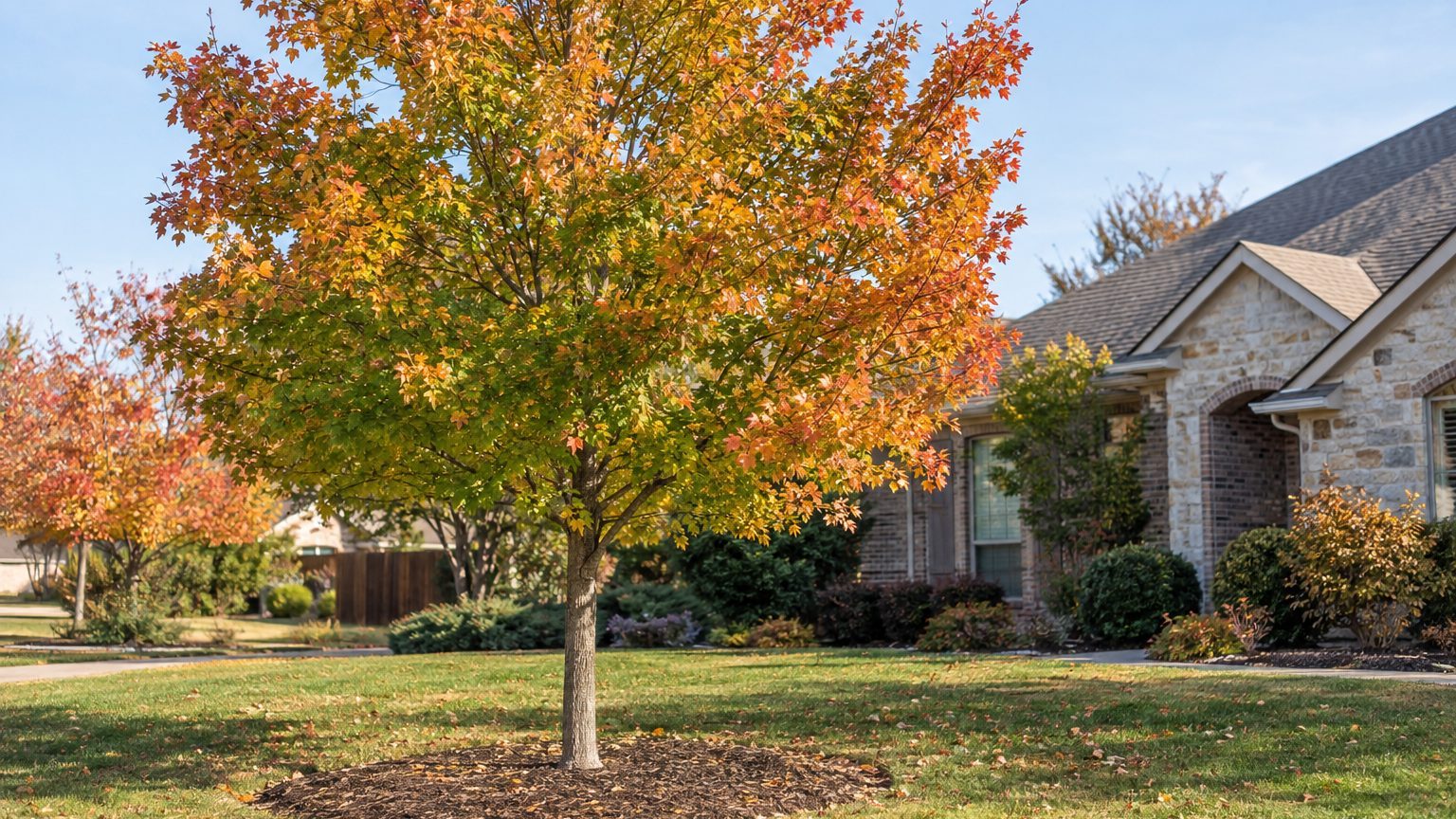
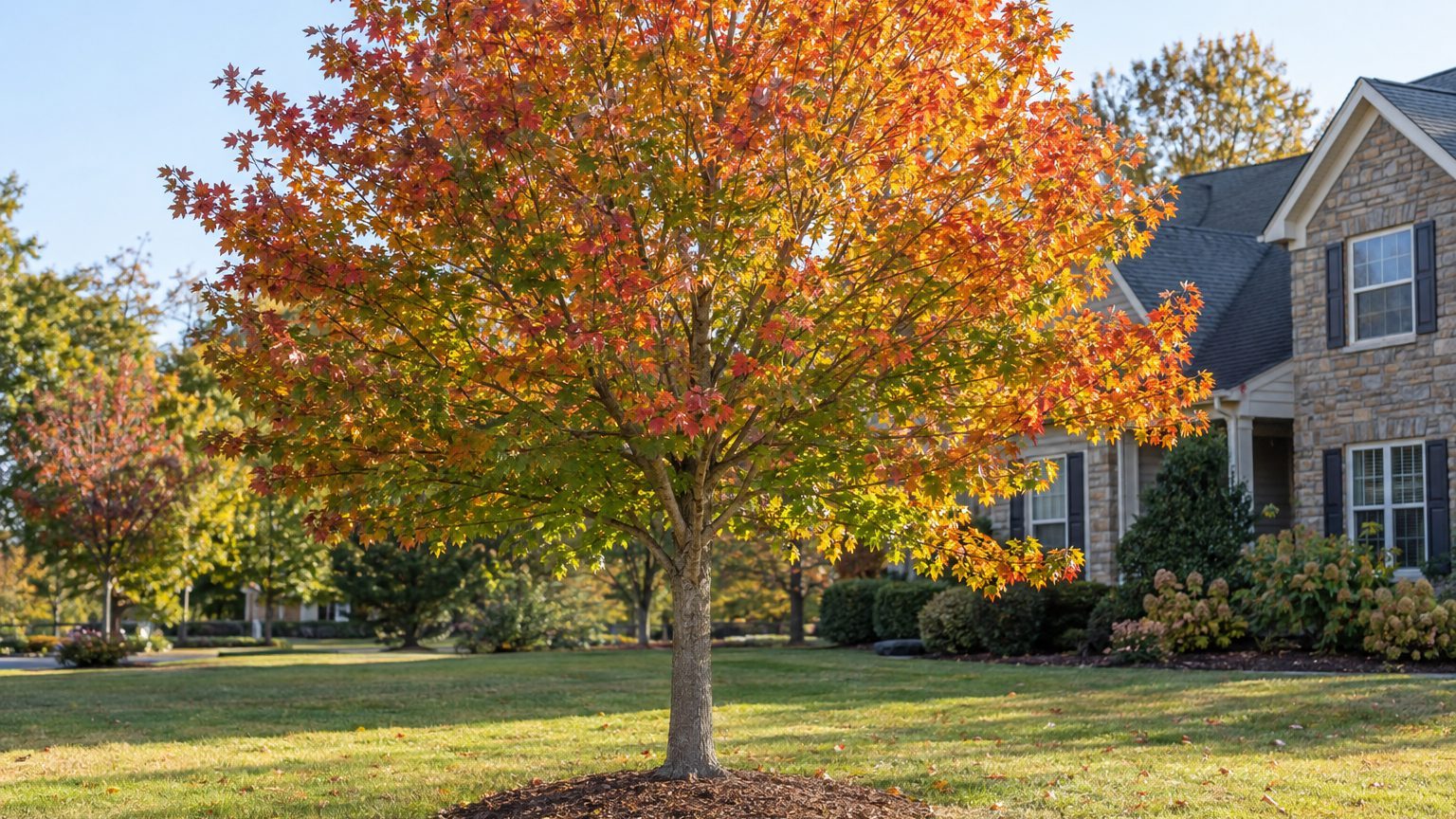
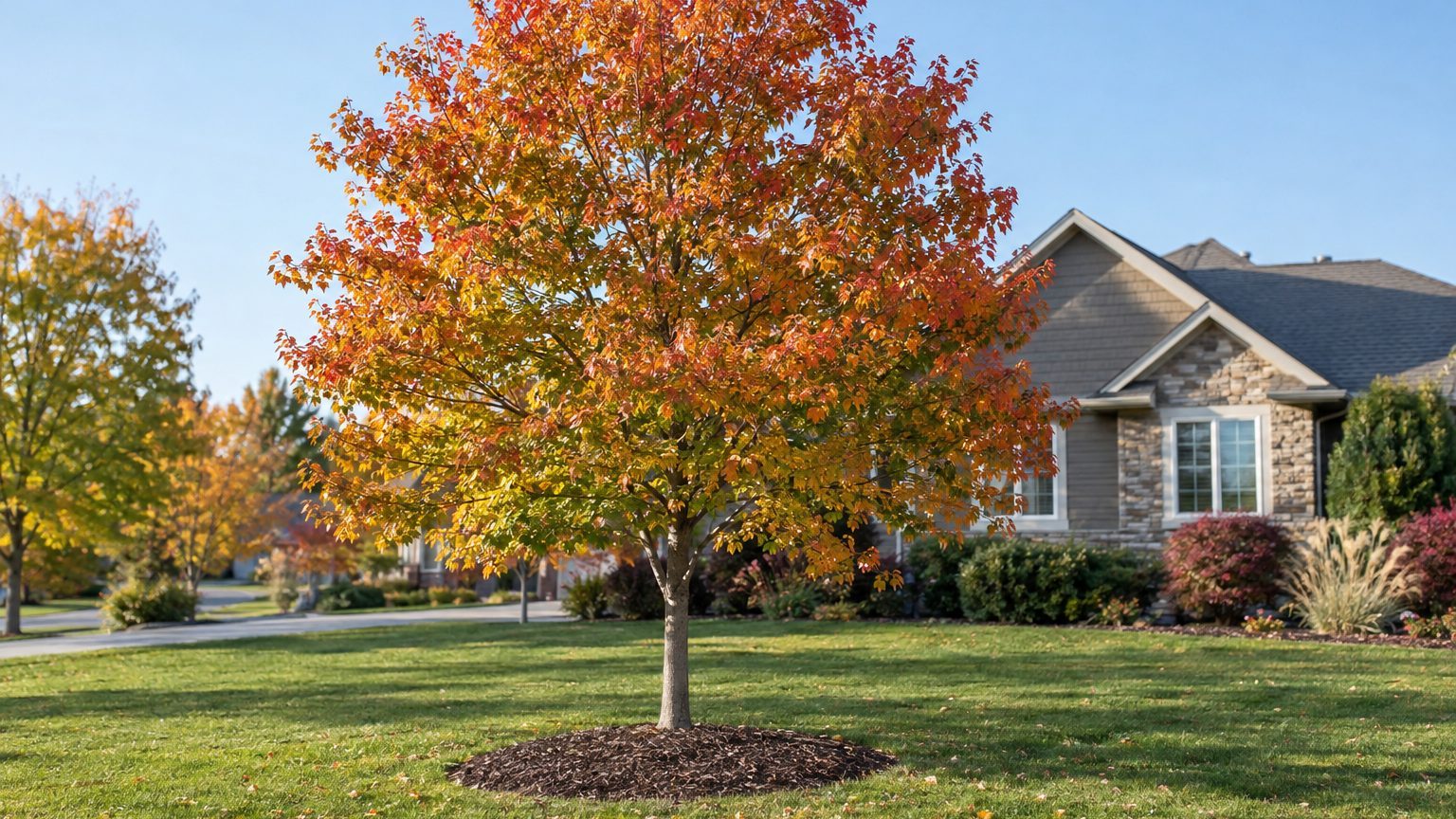
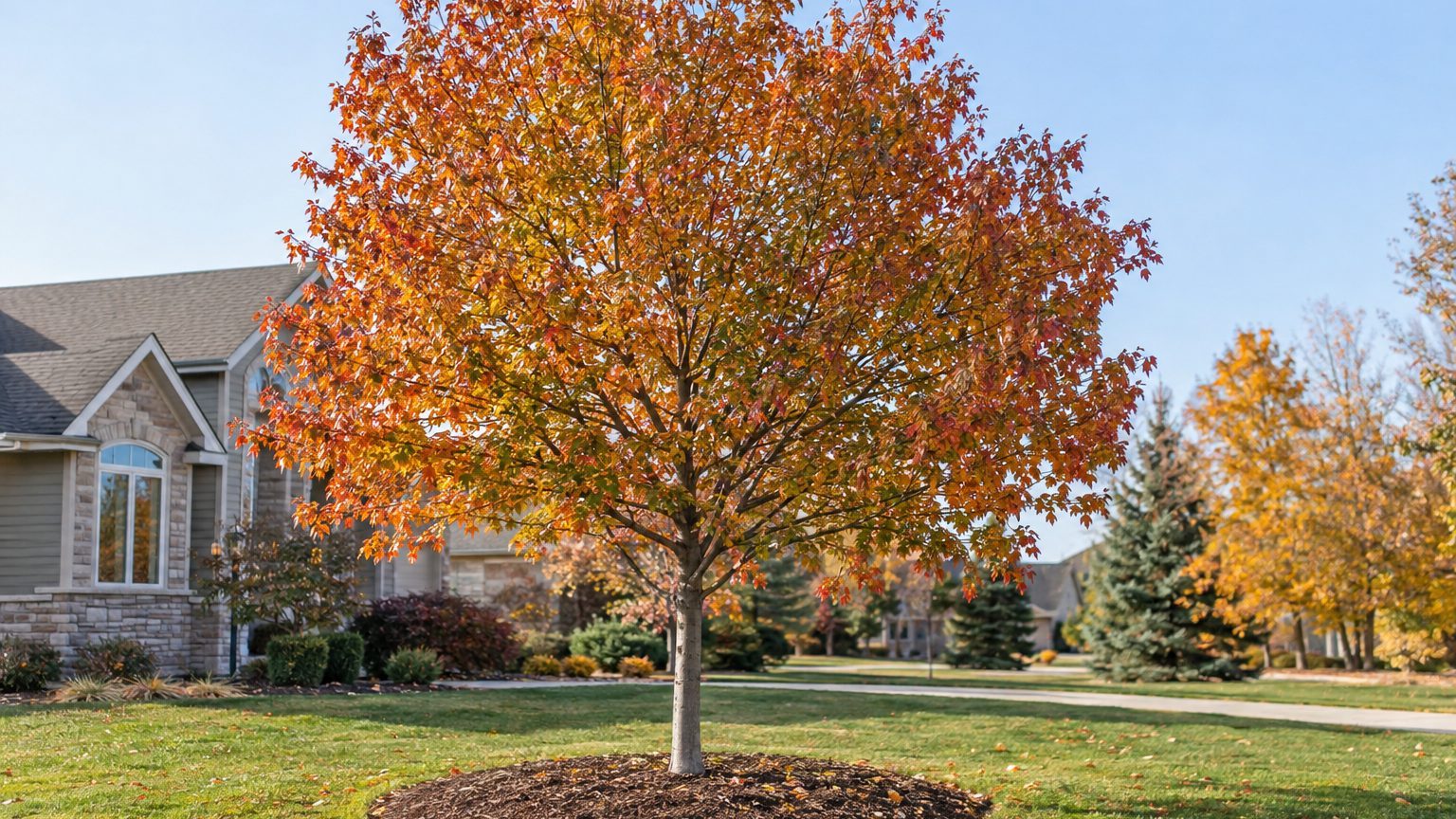
A young shade tree newly planted in a home yard

Shade and ornamental trees do best planted in April or May, before the buds open, and the year offers a few other openings depending on how the tree is sold.

  • In early spring, once the soil has thawed, plant while the buds are still tight and closed. April and May are the months to aim for.
  • In late spring, container and balled-and-burlapped trees can still go in, as long as they are watered regularly while the roots spread.
  • Through summer, hold off. Heat and dry soil stress new roots more than at any other time of year.
  • In September and October, container and balled-and-burlapped trees can also be planted, and roots keep growing in soil that is still warm. Water a fall-planted tree until the ground freezes.
  • Bare-root trees wait for spring, because they must go in dormant, before the buds open.

Spring planting is the safer habit for several trees, including magnolia, dogwood, birch, hawthorn, poplars, cherries, plums and many oaks. In Cheyenne, the last spring frost usually falls between May 7 and May 18, and the first fall frost between September 24 and October 5. Hardiness zones run from 3a to 6a on the USDA system, so a yard in a high valley can differ a lot from one on lower ground. At around 6,000 feet there are roughly 130 frost-free days, and frost can arrive in any month at higher elevations.

When to Plant Fruit Trees in Wyoming

April is the month for fruit trees in Wyoming, with March and May as workable alternatives when the weather pushes the schedule one way or the other.

Bare-root fruit trees go in during spring only, while they are still dormant and before the buds open. Container-grown trees are more forgiving, though they settle best when planted in the dormant season.

Kind of fruit tree When to plant in Wyoming Why then
Bare-root April, or March and May if the ground allows The tree is dormant and the buds have not opened
Container April, with March and May also working Dormant-season planting helps it settle, and regular watering carries it through

Dwarf apple trees need careful training and staking, and they are less cold-hardy than semi-dwarf trees, which matters in a zone 3a or 4 yard.

Best Trees to Plant in Wyoming

Winter cold, dry air and alkaline soil narrow the list in Wyoming. Crabapples and chinkapin oak suit those conditions, though each needs the right pick for the site.

Crabapples are fairly drought tolerant once established. Varieties differ in disease resistance, and some do better at higher elevations than others, so choose with the site in mind.

Tree How it does in Wyoming Why
Crabapple Fairly drought tolerant once established It needs only a modest amount of annual moisture, including any watering you add
Chinkapin oak Suited to zones 4 to 7, so best in the milder parts It is low-maintenance, long-lived and moderately salt tolerant

Crabapple varieties are rated nationally for ornamental value and disease resistance, so a rated variety is a sound choice. Chinkapin oak has no serious pests, though it will not suit the coldest zone 3a yards. Match any tree to your space, your sun and your zone before you buy.

When to Plant, Water and Prune Trees in Wyoming

Planting, watering and pruning each have their own season. Spring suits planting, the weeks after planting call for regular watering, and fruit trees are pruned in late winter while still dormant.

Task Best timing in Wyoming Why then
Plant shade and ornamental trees April and May, or September and October for container and balled-and-burlapped trees Buds are closed in spring, and fall soil is still warm for roots
Plant fruit trees April, with March and May as alternatives Bare-root trees must go in dormant
Water a young tree Regularly after planting, and until the ground freezes for a fall planting New roots dry out quickly in heat and dry soil
Prune fruit trees February and March, with April as a late option After the worst cold and before the buds swell

Pruning in fall or early winter is avoided, because new growth may not harden before the cold. Peaches are pruned last, closest to bloom, since their flower buds are easily hurt by cold, while apples come first. The full routine is on the page for pruning fruit trees in Wyoming.

Where to Get Tree Advice in Wyoming

University of Wyoming Extension and the county extension office can help with choosing a tree for your elevation and soil.

  • The county office can advise on which species suit your elevation, and a visit in late winter gives you time to decide before April planting.
  • A soil test from the extension service shows whether alkaline soil may cause trouble, and it is worth doing before you dig.

Common Questions

Can You Plant a Tree in July in Wyoming?

You can, if the tree is container-grown and you water it faithfully, but the heat and dry soil make it a hard start. Waiting for spring or early fall gives the roots an easier time.

Do Bare-Root Trees Need to Be Planted Right Away?

They should go into the ground soon after you bring them home, while dormant. Keep the roots covered and moist until planting day.

Should You Water a Tree Planted in Fall?

Yes, keep watering until the ground freezes. Roots are still growing in soil that has not yet turned cold, and they need moisture to settle in.
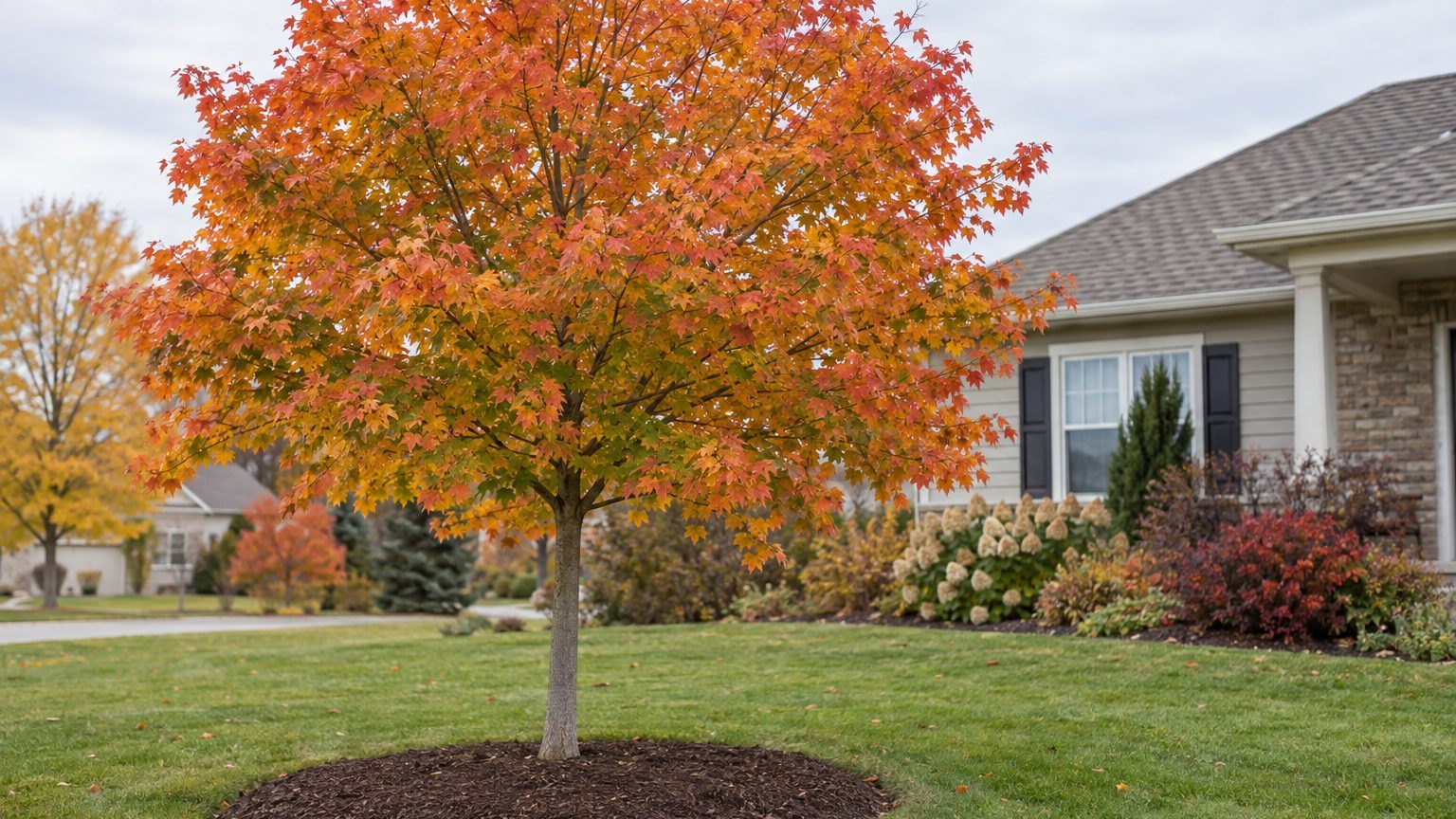
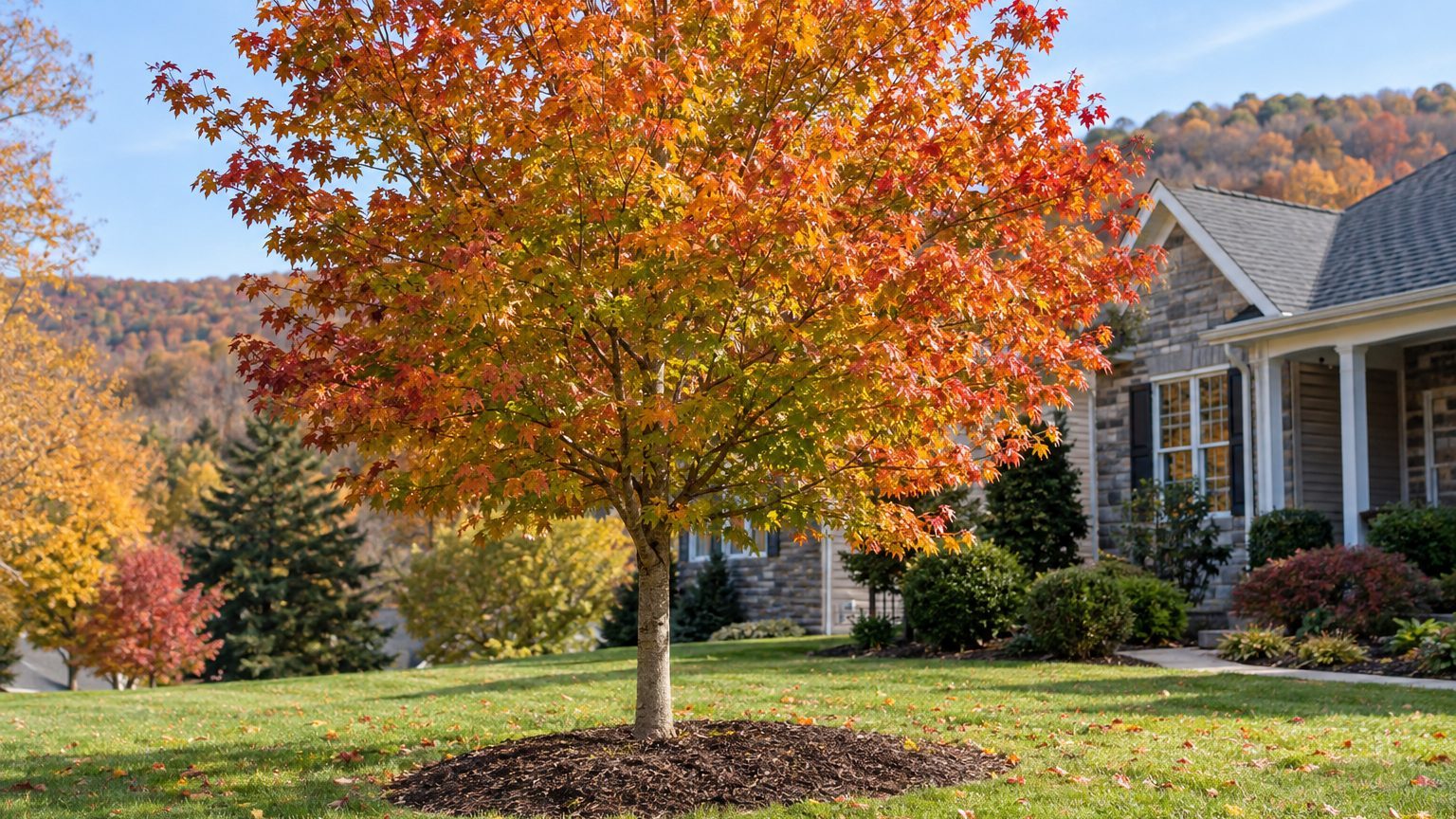
Best Time to Plant Trees in Wisconsin

Best Time to Plant Trees in Wisconsin

Bare branches in late winter and the first soft ground of spring are the signs that planting season has started in Wisconsin. Shade trees, ornamental trees and fruit trees all settle best when they go in while still dormant, with spring leading and early fall as a good second window for many hardwoods.

When Is the Best Time to Plant Trees in Wisconsin?

A young shade tree newly planted in a home yard

Shade and ornamental trees go in best in April and May, before the buds open, and September and October also work for many of them.

  • In April, plant balled-and-burlapped and container trees as soon as the soil can be worked, so the roots begin growing before leaves demand water.
  • In May, planting can continue for container trees, though the buds are opening and the new tree needs steady watering.
  • Through summer, hold off, because heat and dry soil stress new roots more than at any other time of year.
  • From September through early October, plant conifers and many hardwoods while the soil is still warm enough to encourage root growth.
  • In September and early October, hardwoods can still go in, and a tree planted then is watered until the ground freezes.

Container-grown trees can go in during most of the year if you water them, but they settle best in the dormant season. Magnolia, dogwood, tuliptree, sweet gum, red maple, birch, hawthorn, poplars, cherries, plums and many oaks do better planted in spring than in fall. In Milwaukee, last spring frost falls between April 16 and April 29 and first fall frost between October 17 and October 29, while hardiness runs from zone 3b to 6a (USDA system) across the state. Lake Michigan delays fall freeze along the lakeshore, while inland southern Wisconsin freezes earlier and the north far earlier still.

When to Plant Fruit Trees in Wisconsin

Plant fruit trees in April and May, and for bare-root trees, do it while they are still dormant, before the buds open. Spring is the ideal time for bare-root stock, before the buds open.

A bare-root tree arrives without soil and with no leaves to feed, so it needs to meet the ground before it wakes up. A container tree is more forgiving, but the same dormant-season timing still helps it settle.

Kind of fruit tree When to plant in Wisconsin Why then
Bare-root April to May, before the buds open The tree is dormant, so roots can establish before leaves need water
Container April to May It settles best in the dormant season, with regular watering after planting

Pruning a newly planted fruit tree follows its own schedule, which is covered on the page about when to prune fruit trees in Wisconsin.

Best Trees to Plant in Wisconsin

Crabapples are the ornamental tree with the clearest track record here. Proven cultivars have been selected for good looks and disease resistance, and the trees accept a wide range of soils as long as the ground drains well.

For other shade and ornamental trees, choose by the room you have, the sun the spot gets and the hardiness zone where you live. Wisconsin spans zones 3b to 6a, so a tree that suits Madison may struggle in the far north.

Tree How it does in Wisconsin Why
Crabapple Proven cultivars perform well as landscape trees Selected for ornamental value and disease resistance
Crabapple (any cultivar) Grows in a wide range of soils Tolerates many soils if they are well drained

Look for crabapple cultivars described as disease resistant, since some narrow, upright types are highly susceptible to fireblight. Your county extension office can suggest other species that fit your soil and zone.

When to Plant, Water and Prune Trees in Wisconsin

The year splits into planting in spring or early fall, watering through the first season and any fall planting, and pruning fruit trees in late winter. Each job follows the tree’s dormancy.

Oaks are the exception to ordinary pruning habits. Leave them alone from March through October, to limit the spread of oak wilt.

Task Best timing in Wisconsin Why then
Plant shade and ornamental trees April to May, or September to early October Roots grow in workable, warm soil without summer heat stress
Plant fruit trees April to May, while dormant Bare-root trees need to be in the ground before the buds open
Water a young tree Regularly after planting, and in fall until the ground freezes New roots dry out easily and need moisture to settle
Prune fruit trees March to April, before bud break The coldest weather has passed and the buds have not yet swelled

Peaches are pruned last, closest to bloom, because their flower buds are easily hurt by cold, while apples go first. Avoid pruning fruit trees in fall or early winter, since new growth may not harden before the cold.

Where to Get Tree Advice in Wisconsin

University of Wisconsin–Madison Extension and your county extension office can help with choosing a species, checking a site or testing soil before you plant.

  • The state extension service publishes planting and pruning guidance for home landscapes, useful before you order or buy a tree.
  • Your county office can advise on a soil test and on which species suit your local ground, ideally before spring planting begins.

Common Questions

Can You Plant a Tree in Summer in Wisconsin?

You can, but a container tree will need careful watering through the heat. Waiting for April, May or September gives the roots an easier start.

Should You Remove Burlap from a Balled-and-Burlapped Tree?

Yes, remove wire baskets and loosen or cut away burlap once the tree is set in its hole, so roots can spread freely into the surrounding soil.

Which Crabapples Are Best for a Wisconsin Yard?

Choose cultivars known as proven performers for Wisconsin and described as disease resistant. Plant them where water drains well.

Best Time to Plant Trees in West Virginia

Best Time to Plant Trees in West Virginia

Newly planted trees do their best work in cool, damp soil, when roots can grow and leaves are not yet asking for water. In West Virginia that means early spring and fall, with a long stretch of dormant-season planting in between.

When Is the Best Time to Plant Trees in West Virginia?

A young shade tree newly planted in a home yard

Shade and ornamental trees, whether container-grown or balled and burlapped, go in the ground from March to April and again from October to November. Planting can also be done in February and December whenever the soil is not frozen.

  • In late winter, February plantings are possible on days when the soil is workable and not frozen, and the tree is still fully dormant.
  • In March and April, the ground is cool and moist, which gives roots time to settle before summer heat arrives.
  • Through summer, planting is the hardest on a new tree, because heat and dry soil stress young roots.
  • In October and November, the soil still holds warmth, so roots keep growing even after the leaves drop.
  • In December, a planting is still possible while the soil stays unfrozen, though the tree gets less time to root before hard cold.

Container trees can go in most of the year if you water them, but they settle best in the dormant season. Magnolia, dogwood, tuliptree, sweet gum, red maple, birch, hawthorn, poplars, cherries, plums and many oaks do better planted in spring than in fall. In Charleston, the last spring freeze falls between April 9 and April 23, and the first fall freeze arrives between October 18 and November 1. Higher elevations freeze noticeably earlier in fall, so mountain yards have a shorter fall window. USDA hardiness zones across the state run from 5a to 7a.

When to Plant Fruit Trees in West Virginia

Fruit trees are best planted in March and April. Bare-root trees must go in while they are dormant, before the buds open, so plant them in early spring.

Fall planting also works, and November is the month for it. A container tree gives you more flexibility, though it still settles best when planted in the dormant season.

Kind of fruit tree When to plant in West Virginia Why then
Bare-root March to April The tree is dormant and the buds have not opened
Container March to April, or November Roots establish in cool soil, and the tree settles best while dormant

Pears, plums and sweet cherries do better with at least two recommended varieties planted together, so leave room for a pair. Pruning waits until the tree is in the ground and growing, and the details are on the page about when to prune fruit trees.

Best Trees to Plant in West Virginia

Match the tree to the site first. Where the yard already has tree cover, shade-tolerant choices such as eastern hemlock, blackgum, red spruce and sugar maple fit better. Tough, adaptable shade trees handle poor conditions in town lots. Mixing conifers such as white pine with hardwoods also works well on larger sites.

Tree How it does in West Virginia Why
Ginkgo A large shade tree for open yards Tolerates adverse growing conditions and turns bright yellow in fall
London planetree A medium to large tree for tough sites Very tolerant of adverse conditions
Thornless honeylocust A large tree for wet or dry ground Tolerates both wet and dry soils
Sugar maple Suits yards that already have tree cover Shade-tolerant
American holly Brings green to the winter yard Evergreen foliage in the cold months

Eastern hemlock, blackgum and red spruce also suit shaded sites. Aspen, black cherry, larch, red pine and black walnut need full sun, so keep them out of shade. Check your site’s sun, space and hardiness zone before choosing.

When to Plant, Water and Prune Trees in West Virginia

The year for a tree runs on a few simple rhythms: plant while it rests, water through the first growing season, and prune fruit trees before the buds swell. Each job has its own moment.

Task Best timing in West Virginia Why then
Plant shade and ornamental trees March to April, or October to November Cool soil lets roots grow before heat or hard cold
Plant fruit trees March to April, or November Bare-root trees must go in dormant, before buds open
Water a young tree Regularly through the first summer, and while the soil is not frozen in fall Heat and dry soil stress new roots
Prune fruit trees February to March, and April if needed The tree is dormant, just before growth begins

Young, nonbearing apple trees and stone fruits wait until February, which lowers the chance of winter injury. Peaches are pruned last, closest to bloom, because their flower buds are easily hurt by cold, while apples go first. Avoid pruning fruit trees in fall or early winter, since new growth may not harden before the cold.

Where to Get Tree Advice in West Virginia

For a question about which species fits your yard or how your soil tests, West Virginia University Extension and your county extension office are the places to ask.

  • The university extension site carries planting guides for trees and shrubs, handy before you buy.
  • Your county office can walk you through a soil test and species choice, so call before planting day.

Common Questions

Can You Plant a Tree in Summer in West Virginia?

A container tree can survive a summer planting if it gets steady water, but it faces more stress than one planted in the cooler months. Wait for fall if you can.

Should You Remove the Burlap from a Balled-and-Burlapped Tree?

Set the tree in its hole, then cut away the wire basket and fold back or remove the burlap from the top of the ball so nothing girdles the roots later.

How Deep Should You Plant a Tree?

Set the root flare at ground level, never buried. Keep mulch back from the trunk so bark stays dry.

Best Time to Plant Trees in Washington

Best Time to Plant Trees in Washington

A young tree planted in a cool, damp stretch settles in with almost no fuss, while the same tree dropped into baked summer ground sulks and struggles to get going. In Washington, west of the Cascades, autumn and late winter give roots the easy start they need, and the right month depends on what kind of tree is going in.

When Is the Best Time to Plant Trees in Washington?

A young shade tree newly planted in a home yard

Shade and ornamental trees do best planted in October or November, with February through April as the other window, and the reasons follow the soil more than the calendar.

  • In late winter, February is the first chance to plant once the ground thaws and is dry enough to work without compacting.
  • In March and April, planting still works, as long as the tree goes in early enough for roots to start growing before summer heat arrives.
  • Through summer, planting is the hardest, because heat and dry soil stress new roots that have not yet spread.
  • In October and November, the soil is still holding warmth, so roots keep growing while the tree is above ground dormant.
  • In winter west of the Cascades, rain keeps the roots of a fall-planted tree well watered without much help from you.

Container trees can go in most of the year if you water them, though they settle best in the dormant season, and balled-and-burlapped trees follow the same autumn and late-winter windows. Bare-root trees are planted while dormant, before the buds open. For reference, the last spring freeze in Seattle falls between February 27 and March 18, and the first fall freeze between November 13 and November 30. A mild frost date does not make early planting wise everywhere, because cold, wet soil slows roots in spring. Eastern Washington, beyond the Cascades, is high desert with a much shorter season, so local timing there differs. Zones across the state run from USDA 4a to 9a.

When to Plant Fruit Trees in Washington

Fruit trees go in during February or March when they are bare-root, and in October when they come in a pot. Bare-root trees must be planted while dormant, before the buds open, so late winter is the working window as soon as the soil can be dug.

Potted fruit trees can wait for fall. Let the weather cool first, and plant once the tree is losing or has lost its leaves.

Kind of fruit tree When to plant in Washington Why then
Bare-root February to March The tree is dormant and the buds have not opened
Container October Cooler weather and leaf drop let the tree settle before winter

A container fruit tree can also go in during early spring if you water it, though the dormant season gives it the calmest start. Pruning a newly planted fruit tree belongs to its own window later in the year, covered in the section on yearly tasks below.

Best Trees to Plant in Washington

Trees that handle dry summers and shade or sun to match your spot do best here. Red maple is a popular shade tree in Washington because it tolerates drought well, and several conifers offer different balances of shade and dryness tolerance.

Choose by how much room, sun and moisture your yard offers, and by your zone, since Washington covers a wide range of climates.

Tree How it does in Washington Why
Red maple Popular shade tree Very drought tolerant
Douglas-fir Good in partial shade More shade tolerant than the pines, less drought tolerant than ponderosa pine
Grand fir Suits shadier, moister spots More shade tolerant than Douglas-fir or the pines, less drought tolerant
Lodgepole pine Handles frosty sites Most frost tolerant of the common tree species
Western larch Needs more moisture than the pines Less drought tolerant than the pines and Douglas-fir, less shade tolerant than the firs

Sugar pine also fits shadier places, since it is more shade tolerant and less drought tolerant than lodgepole and ponderosa pines.

When to Plant, Water and Prune Trees in Washington

Planting, watering and pruning each have their own season. Planting follows the autumn and late-winter windows above, while pruning fruit trees waits for dormancy and the end of hard freezes.

Task Best timing in Washington Why then
Plant shade and ornamental trees October to November, or February to April Roots establish before summer heat or in rain-fed fall soil
Plant fruit trees February to March bare-root, October in pots Dormant trees move with the least stress
Water a young tree Regularly through the first dry summer, while the soil is not frozen New roots dry out fast in summer heat
Prune fruit trees February to March Danger of hard freeze has passed and growth has not started

Fruit trees are pruned before the buds swell, and pruning in fall or early winter is avoided, because new growth may not harden before cold. Apples are pruned first and peaches last, closest to bloom, since peach flower buds are easily hurt by cold. Sweet cherries can instead be pruned in August, when bacterial infection is less likely. Detailed pruning guidance lives on the page about when to prune fruit trees.

Where to Get Tree Advice in Washington

Washington State University Extension answers questions about choosing a tree, soil conditions and planting, and your county office can help with site-specific questions.

  • The extension service publishes planting and landscape guidance for the state, useful before you buy a tree.
  • Your county extension office can advise on a soil test and on which species suit your yard, so call before planting day.

Common Questions

Can You Plant a Tree in Summer in Washington?

You can, with steady watering, but summer is the hardest time because heat and dry soil stress new roots. A container tree handles it better than a bare-root one, which should wait for dormancy.

Should You Plant Fruit Trees in Fall or Spring in Washington?

Both work. Potted trees go in during October once the weather cools, and bare-root trees go in during February or March while still dormant.

Do Container Trees Need to Be Planted at a Certain Time?

Container trees can be planted most of the year if you keep them watered. They settle best when planted in the dormant season, in autumn or late winter.

Best Time to Plant Trees in Virginia

Best Time to Plant Trees in Virginia

A young maple or crabapple settles in best when it goes into cool, workable ground, and Virginia gives you two good stretches for it: early spring and the fall into early winter. Fruit trees follow a similar pattern with a tighter window.

When Is the Best Time to Plant Trees in Virginia?

A young shade tree newly planted in a home yard

Shade and ornamental trees go in March and April, or October and November, and the soil is still workable in February and December if it is not frozen. Frost dates here refer to Virginia Beach, the mild end of the state.

  • In February, a tree can go in on a day when the soil is soft and not frozen, though this is a fallback to the main windows.
  • In March and April, planting happens before new growth begins, which gives roots a cool, moist start while the leaves stay folded in the buds.
  • From May through September, planting gets harder, because heat and dry soil stress new roots, and container trees need steady watering to make it.
  • In October and November, the soil is still warm enough for roots to keep growing while the top of the tree rests, so the tree settles in before winter.
  • In December, planting is still possible while the ground is not frozen, as a late fallback to the fall window.

Container trees can go in most of the year if watered, but they settle best when planted dormant. Balled-and-burlapped trees follow the same windows. Some trees do better in spring than fall, including magnolia, dogwood, tuliptree, sweet gum, red maple, birch, hawthorn, poplars, cherries, plums and many oaks. At Virginia Beach, the last spring frost falls between March 20 and April 3, and the first fall frost between November 10 and November 24. Hardiness zones run from 5a to 8b in the USDA system, so the Blue Ridge and southwest Virginia run weeks later in spring and earlier in fall.

When to Plant Fruit Trees in Virginia

Fruit trees go in during March and April, and November works as a fallback. Bare-root trees are planted while still dormant, before the buds open, which is why the early spring window matters most for them.

In Virginia, fall or early spring both give good results. Planting about a month after the first killing frost in fall, or about a month before bloom in spring, is generally recommended.

Kind of fruit tree When to plant in Virginia Why then
Bare-root March to April, while dormant and before buds open Roots establish before leaves demand water
Container March to April, or November Cool soil lets roots settle before heat arrives

Pear, plum and sweet cherry need a partner, so Virginia advice is to plant at least two of the recommended varieties of each. Peaches and nectarines are prone to brown rot, and nectarines are more so than peaches.

Best Trees to Plant in Virginia

Trees that tolerate adverse conditions suit Virginia yards, which swing from wet to dry and from hot to cold. Ginkgo, London planetree and thornless honeylocust all handle rough conditions, and each is a large or medium-large shade tree.

Tree How it does in Virginia Why
Ginkgo Large shade tree with bright yellow fall color Tolerates adverse growing conditions
London planetree Medium to large tree Very tolerant of adverse conditions
Thornless honeylocust Large tree Tolerates both wet and dry soils

Where a site already has tree cover, shade-tolerant choices such as eastern hemlock, blackgum, red spruce or sugar maple suit it better. Mixing white pine with hardwoods is also a sound plan, and American holly and white pine give winter color. Match the tree to the space, the sun and your zone.

When to Plant, Water and Prune Trees in Virginia

The yearly jobs follow the tree’s dormancy. Planting and pruning both happen while the tree rests, and watering matters most after planting, when the roots are still small.

Task Best timing in Virginia Why then
Plant shade and ornamental trees March to April, or October to November Cool, workable soil lets roots grow without summer stress
Plant fruit trees March to April, with November as a fallback Bare-root trees go in dormant, before buds open
Water a young tree Regularly after planting, especially through dry spells and summer heat Heat and dry soil stress new roots
Prune a fruit tree February to March, with April as a fallback Dormant wood, just before growth begins

Young, nonbearing apple trees and stone fruits wait until after February 1 to avoid winter injury. Peaches go last, closest to bloom, because their flower buds are easily hurt by cold, and apples go first. Pruning in fall or early winter is avoided, since new growth may not harden before the cold. More detail is on the page for when to prune fruit trees in Virginia.

Common Questions

Can You Plant a Tree in Summer in Virginia?

A container tree can survive it with steady watering, but summer is the hardest season to plant. Waiting for fall gives the roots a gentler start.

Should You Plant a Tree in Fall or Spring in Virginia?

Either works for most trees. Spring is the better choice for the species that dislike fall planting, such as dogwood, birch and red maple.

Do Container Trees Need a Special Planting Time?

They are more flexible than bare-root trees, but they establish best when planted dormant and kept watered afterward.

Where to Get Tree Advice in Virginia

For help choosing a species or testing your soil, local experts know your ground. Virginia Cooperative Extension is the state’s source for tree questions.

  • Virginia Cooperative Extension publishes planting and fruit tree guides you can read before you buy.
  • Your county extension office can advise on species and take a soil sample for analysis, ideally before planting.

Once the soil is workable and the tree is dormant, dig the hole and plant.

Best Time to Plant Trees in Vermont

Best Time to Plant Trees in Vermont

A maple that went in the ground in spring is usually leafing out by the time the last frost has passed. Vermont gives you two planting seasons for trees, a long one in spring and a shorter one in early fall, and fruit trees only get the first.

When Is the Best Time to Plant Trees in Vermont?

A young shade tree newly planted in a home yard

Spring is the season for shade and ornamental trees in Vermont, in April and May, with early fall as a fallback in September and October.

  • In April, plant as soon as the frost is out of the ground and the soil can be worked, while the tree is still dormant.
  • Through May, container and balled-and-burlapped trees go in easily, and planting can run into early June.
  • In summer, hold off, because heat and dry soil stress new roots.
  • In September and October, fall planting works if it is finished before the end of October, and the tree is watered until the ground freezes.

Roots grow best in soil that is warm but not hot, so watch the soil and plant when it has warmed. Container-grown trees can go in most of the year if you water them, but they settle best in the dormant season. Bare-root trees must be planted while dormant, before the buds open. Around Burlington, on Lake Champlain, the last spring frost falls between April 30 and May 10. The first fall frost comes between October 3 and October 13. The Green Mountains and the Northeast Kingdom run shorter, so expect later springs and earlier autumns there. Vermont spans USDA hardiness zones 3b to 5b, which affects how much winter cold a tree must take.

When to Plant Fruit Trees in Vermont

Fruit trees go in during April and May, in early spring as soon as the frost has left the ground. Bare-root trees are planted while dormant, in April or early May, before the buds open.

Fall planting is out for fruit trees here. The winters are too cold for a newly planted fruit tree to get established before freeze-up.

Kind of fruit tree When to plant in Vermont Why then
Bare-root April to early May The tree is dormant and the buds have not opened
Container April and May The frost is out of the ground and roots can start growing

Bare-root stock usually costs less than potted trees and grows well when it goes in on time. Apricots are hardy through midwinter but turn tender as late-winter temperatures climb. A plum-apricot hybrid called Spring Satin does not tolerate late-winter freeze-thaw cycles, so give both a protected spot.

Best Trees to Plant in Vermont

Trees that handle cold winters and sit well in your soil and light do best. Paper birch and aspen suit cool sites, red maple adapts to many soils, and some trees need protection from wind and ice.

Tree How it does in Vermont Why
Paper birch Does well on cool sites in full sun Adapted to many soils, shade-intolerant
Aspen Does well in full sun Shade-intolerant, survives best with open light
Red maple Adapts to a variety of soils Often grows where shade-tolerant softwoods once stood
Eastern redbud Works in a sheltered spot Needs well-drained soil, sun to part shade, and protection from desiccating winds and ice
Sugar maple Handsome but fussy near roads and in tight soil Dislikes salt, compaction and heat

Birch, red maple, magnolia, tuliptree, oak and ginkgo all do better planted in spring than in fall. Ask what each tree needs in your yard, in sun, wind exposure and drainage, before you buy.

When to Plant, Water and Prune Trees in Vermont

The yearly rhythm is simple: plant in spring, water a new tree until the ground freezes, and prune fruit trees while they sleep. Pruning in fall or early winter is avoided, because new growth may not harden before the cold.

Task Best timing in Vermont Why then
Plant shade and ornamental trees April and May, or September and October Roots settle in soil that is workable and not stressed by summer heat
Plant fruit trees April and May The frost is out of the ground, and fall planting is too risky
Water a young tree Regularly through the growing season, and in fall until the ground freezes New roots need moisture before the soil locks up
Prune fruit trees March and April The tree is dormant and pruning least affects winter hardiness

Peaches are pruned last, closest to bloom, because their flower buds are easily hurt by cold, while apples go first. Details are on the When to Prune Fruit Trees page for Vermont.

Where to Get Tree Advice in Vermont

A tree is a long commitment, and a quick question to local experts can save years. Soil, site and hardiness zone vary a lot between Lake Champlain and the hill towns.

  • The University of Vermont Extension answers questions on choosing a tree and caring for it, and its staff can point you to the right office for your town.
  • Your county extension office can arrange a soil test, so contact them and have results before the spring planting window opens.

Common Questions

Can You Plant a Tree in Vermont in Summer?

You can if the tree is container-grown, but heat and dry soil make the first season harder. Water deeply and often, or wait for the cooler days of September.

Should You Mulch a New Tree?

Yes, spread mulch in a wide ring on the soil and keep it back from the trunk. Mulch piled against the bark holds moisture where it does harm.

Is Burlap Left on a Balled-and-Burlapped Tree?

Remove it once the tree is in the hole. Material left on the root ball can hold the roots in and slow their spread into the surrounding soil.

Best Time to Plant Trees in Utah

Best Time to Plant Trees in Utah

Bare branches in late winter and swelling buds in spring mark the stretch when a young tree most wants to go into the ground in Utah. Early to mid-spring, while the buds are still tight, is the time for shade and ornamental trees, and fruit trees are planted in spring while still dormant, with fall as a second window for container and balled-and-burlapped trees.

When Is the Best Time to Plant Trees in Utah?

A young shade tree newly planted in a home yard

Shade and ornamental trees do best planted in April and May, and container or balled-and-burlapped trees can also go in during September and October.

  • In April, plant while the buds are still closed and the soil has thawed, so the roots can start working before the tree has leaves to feed.
  • In May, container and balled-and-burlapped trees still settle well, as long as you water them regularly while the weather warms.
  • Through summer, hold off. Heat and dry soil stress new roots, and summer is the hardest time to plant a tree.
  • In September and October, container and balled-and-burlapped trees can go in while the soil is still warm enough to encourage root growth.
  • Once a fall tree is in, keep watering it until the ground freezes.

Bare-root trees are planted while dormant, before the buds open. Container trees can go in most of the year if you water them, but they settle best in the dormant season. Magnolia, dogwood, tuliptree, sweet gum, red maple, birch, hawthorn, poplars, cherries, plums and many oaks do better planted in spring than in fall. For Salt Lake City, the last spring freeze falls between April 12 and April 29, and the first fall freeze between October 18 and October 29. Utah spans USDA zones 4a to 9a, and most of the state is higher and colder than Salt Lake, while southern Utah is warmer, so shift your timing to your own elevation.

When to Plant Fruit Trees in Utah

Fruit trees go in during April, and March or May also work. Bare-root fruit trees should only be planted in spring while still dormant, which means as soon as the soil can be worked and before the buds open.

Container-grown fruit trees are more forgiving, since they carry their roots with them, but the same spring window gives them the longest stretch to settle before summer heat.

Kind of fruit tree When to plant in Utah Why then
Bare-root April, or March and May The tree is still dormant and the buds have not opened
Container April, or March and May Spring planting lets roots settle before summer heat

Pruning a newly planted or established fruit tree follows its own schedule, covered on the Utah page about pruning fruit trees. Fruit varieties are sorted out on the Utah page about the best fruit trees to grow.

Best Trees to Plant in Utah

Utah’s winters, dry soils and swings in weather reward tough, adaptable trees. The choices that follow come from advice written for Utah, where conditions are cold and dry.

Tree How it does in Utah Why
Chinkapin oak Suited to zones 4 to 7 Low-maintenance, long-lived, moderately salt tolerant and free of serious pests
Crabapple Fairly drought tolerant once established Needs only modest annual moisture, rain plus any watering you add
Tart cherry Very cold-hardy and tolerates Utah soils Fruit suits jams, syrups and other tart-cherry uses
Peach (higher chill hours) Better suited to Utah Many areas have winter warm spells that wake low-chill trees too early

With crabapples, variety matters: some are more susceptible to disease than others, so pick cultivars rated for disease resistance and for your elevation. For apples, one rootstock is reported to be more drought resistant than others and resistant to woolly apple aphid. Common rootstocks are cold-hardy but struggle in alkaline soil, which can bring iron chlorosis.

When to Plant, Water and Prune Trees in Utah

The year for a tree runs on a few simple signs. Plant when the tree is dormant and the soil can be worked, water new trees while the ground is unfrozen, and prune fruit trees in late winter before the buds swell.

Task Best timing in Utah Why then
Plant shade and ornamental trees April and May, or September and October for container and balled-and-burlapped trees Buds are closed in spring, and fall soil is still warm
Plant fruit trees April, or March and May Bare-root trees need to be dormant
Water a young tree Regularly after planting, and until the ground freezes for a fall planting New roots dry out fast in heat and dry soil
Prune a fruit tree February and March, or April After the worst cold and before bud swell

Apples are pruned first and peaches last, closest to bloom, because peach flower buds are easily hurt by cold. In warmer parts of Utah such as Saint George, January can also suit peaches. Avoid pruning fruit trees in fall or early winter, since new growth may not harden before the cold.

Where to Get Tree Advice in Utah

Utah State University Extension and your county extension office can help with tree choice, planting questions and soil testing.

  • Utah State University Extension publishes tree-planting tips and fruit tree guides you can read before choosing a species.
  • Your county extension office can advise on which trees suit your elevation and soil, and can point you to a soil test before you buy.

Once the soil thaws in spring and the buds are still tight, dig the hole and get the tree in.

Common Questions

Can You Plant a Tree in Summer in Utah?

A container tree can survive it with steady watering, but summer is hard on new roots. Heat and dry soil stress them, so spring or early fall gives better results.

Should You Plant Bare-Root Trees in Fall?

Plant them in spring while dormant, before the buds open. Fall is better kept for container and balled-and-burlapped trees.

How Do You Know Your Utah Planting Window Is Open?

Check that the soil has thawed and can be worked, and that the buds on the tree are still closed. Higher, colder parts of Utah reach that point later than warmer valleys and the south.

Best Time to Plant Trees in Texas

Best Time to Plant Trees in Texas

A freshly planted oak or peach tree settles in best when the leaves are down and the ground is cool but still workable. In Texas, that quiet stretch runs from late fall through winter.

When Is the Best Time to Plant Trees in Texas?

A young shade tree newly planted in a home yard

Late fall and early winter is the season for shade and ornamental trees in Texas, with November and December leading and January and February as a fallback. Roots keep growing in soil that is still warm while the branches rest, so the tree arrives in spring with a head start.

  • In November and December, container and balled-and-burlapped shade and ornamental trees go in while they are dormant and the soil still holds some warmth.
  • Through January and February, planting can continue for any deciduous tree that has not yet leafed out.
  • In early spring, dormant planting is nearly over, because deciduous trees do best when planted from late fall to early spring, before buds open.
  • Through the growing season, container-grown trees can still be planted if you water them well, though they settle best in the dormant season.
  • In summer, planting is hardest, since heat and dry soil stress the new roots.

Texas covers hardiness zones 6a-10a on the USDA system, so the calendar above is a general guide and local frost timing varies widely. Around Houston, the last spring frost falls between February 4 and March 1, and the first fall frost arrives between December 1 and December 19. The Panhandle, North Texas and the Hill Country freeze on very different schedules, so check with your county office for your own area.

When to Plant Fruit Trees in Texas

December through February is when most fruit trees go into Texas ground, while they are dormant. Bare-root trees especially need that window, because they have to be planted before the buds open.

Container-grown fruit trees are more forgiving, but they still settle best when planted in the same dormant season.

Kind of fruit tree When to plant in Texas Why then
Bare-root December through February The tree is dormant and the buds have not opened
Container-grown December through February Roots settle in cool soil before spring growth

Citrus is a special case. The smaller types, such as calamondin, limes, kumquats, lemons and limequats, suit container culture best, though all will grow in a pot for a limited time.

Best Trees to Plant in Texas

Native oaks and other hardy natives suit Texas well. They give the shade and fall color people want and handle environmental stress better than many non-native options. Mexican white oak has performed impressively in zone 7 and the warmer parts of zone 6.

Tree How it does in Texas Why
Mexican white oak Strong performer in zone 7 and warmer parts of zone 6 Likes full sun and soil with good drainage
Black gum A hardy native shade tree Gives fall color and resists environmental stress
Swamp chestnut oak A hardy native shade tree Gives fall color and resists environmental stress

With Mexican white oak, choose a spot where oak wilt has not been a problem.

When to Plant, Water and Prune Trees in Texas

Planting, watering and pruning each have their own season. Plant while trees rest, water young trees through dry spells, and prune fruit trees before the buds swell.

Task Best timing in Texas Why then
Plant shade and ornamental trees November and December, or January and February Dormant trees root into cool soil
Plant fruit trees December through February Trees are dormant and buds are closed
Water a young tree Right after planting, and regularly through dry spells New roots dry out fast in heat and dry soil
Prune fruit trees January and February, while dormant Buds have not swelled yet

Skip pruning in fall or early winter, because new growth may not harden before the cold. Peaches are pruned last, closest to bloom, since their flower buds are easily hurt by cold, while apples are pruned first.

Where to Get Tree Advice in Texas

For a tree suited to your soil and sun, local guidance beats guesswork. Two places are worth knowing.

  • Texas A&M AgriLife Extension offers plant guides on shade trees, peaches and citrus, useful before you buy.
  • Your county extension office can advise on which species fit your area and how to arrange a soil test, so call before the dormant planting season begins.

Common Questions

Can You Plant a Tree in Texas in the Summer?

Container-grown trees can go in during the growing season if you keep them watered. Dry soil and heat make it a struggle for new roots, so plan on regular watering until the tree is established.

Should You Prune a New Tree Right After Planting?

Fruit trees are pruned while dormant, before the buds swell, so a tree planted in winter can be shaped then. Shade trees mainly need broken or damaged branches removed at planting time.

Do Peach Trees Need Cold Weather in Texas?

Yes. Peaches need winter chilling to break dormancy, and the Zest series suits the medium chill zone with needs of about 500 to 600 chilling hours. The White Delight series needs more, at about 700 hours for Three and Four.

Best Time to Plant Trees in Tennessee

Best Time to Plant Trees in Tennessee

Tennessee yards look their best when a young tree goes in while the ground is cool and the roots can settle before summer or winter takes hold. Shade and ornamental trees do best planted in March and April or in October and November. Fruit trees go in during early spring.

When Is the Best Time to Plant Trees in Tennessee?

A young shade tree newly planted in a home yard

Shade and ornamental trees, whether container-grown or balled and burlapped, have two good planting seasons in Tennessee, split by the heat of summer.

  • In February, a tree can go in on a mild day when the soil is not frozen, though this is a fallback to the main seasons.
  • In March and April, the ground is workable and the tree is still dormant or just waking, so roots grow before summer heat arrives.
  • Through the summer, skip planting if you can, because heat and dry soil stress new roots.
  • In October and November, the soil still holds warmth from summer, and roots keep growing while the top of the tree rests.
  • In December, planting can still work while the soil stays unfrozen.

Container-grown trees can go in most of the year if you water them, but they settle best in the dormant season. Magnolia, dogwood, tuliptree, sweet gum, red maple, birch, hawthorn, poplars, cherries, plums and many oaks do better planted in spring than in fall. Around Nashville, the last spring frost falls between March 31 and April 12, and the first fall frost arrives between October 28 and November 8. East Tennessee and the Cumberland Plateau run cooler and later in spring. Hardiness zones in the state span 5b to 8a on the USDA system.

When to Plant Fruit Trees in Tennessee

Fruit trees, bare-root or container-grown, go in during March and April. Bare-root trees are planted while still dormant, before the buds open, so the moment the soil can be worked in late winter is your signal.

November can also work for fruit trees, though early spring is the usual choice.

Kind of fruit tree When to plant in Tennessee Why then
Bare-root March to April, while dormant Buds have not opened, so the tree puts energy into roots first
Container-grown March to April, or November Cool soil lets roots settle before summer heat or winter cold

Whichever type you choose, give pear, plum and sweet cherry at least two varieties, since they need a partner nearby for good fruit. Peaches and nectarines are prone to brown rot, and nectarines more so.

Best Trees to Plant in Tennessee

Tennessee swings from cold winters on the Plateau to hot, humid summers in the western part of the state, so tough, adaptable trees earn their place. Pick for the room you have, the sun on the site and your hardiness zone.

Where a site already has tree cover, shade-tolerant choices make more sense than sun lovers.

Tree How it does in Tennessee Why
Ginkgo Large shade tree with bright yellow fall color Tolerates adverse growing conditions
London planetree Medium to large tree for tough spots Very tolerant of adverse conditions
Thornless honeylocust Large tree for wet or dry ground Tolerates both wet and dry soils
Blackgum Suits a yard that already has tree cover Shade tolerant
White pine Evergreen that mixes well with hardwoods Conifers and hardwoods together make a varied planting

Eastern hemlock and sugar maple are also shade-tolerant picks for a yard under existing canopy, and American holly gives winter interest.

When to Plant, Water and Prune Trees in Tennessee

Planting, watering and pruning each follow their own clock. Planting follows the seasons above, watering follows the weather and the age of the tree, and pruning follows dormancy.

Task Best timing in Tennessee Why then
Plant shade and ornamental trees March to April, October to November Cool weather and workable soil favor root growth
Plant fruit trees March to April Trees are dormant and roots establish before heat
Water a young tree Regularly after planting, and through dry spells New roots dry out fast, especially in summer
Prune a fruit tree February to March, while dormant Cuts heal as growth begins, and winter injury is less likely

Fruit trees are pruned while dormant, before the buds swell. Skip fall and early winter pruning, because new growth may not harden before the cold. Apples go first and peaches last, closest to bloom, since their flower buds are easily hurt by cold. Young trees wait until February. Details are on the page about when to prune fruit trees in Tennessee.

Where to Get Tree Advice in Tennessee

University of Tennessee Extension and your county office can help with choosing a species for your site or testing your soil before you plant.

  • The state extension service publishes planting guidance, so check it before you buy a tree.
  • Your county office can advise on a species for your yard and arrange a soil test, ideally before planting season opens in March.

Common Questions

Can You Plant a Tree in Summer in Tennessee?

A container-grown tree can survive a summer planting with steady watering, but it is a struggle for the roots. Waiting for fall is kinder to the tree.

Should You Remove the Burlap from a Balled-and-Burlapped Tree?

Yes. Cut away the wire basket and pull back the burlap from the top of the root ball, so roots can spread freely into the surrounding soil.

Do Container Trees Need Different Care than Bare-Root Trees?

Container trees have a full root system and tolerate a wider planting window. Bare-root trees must go in while dormant and need water soon after planting.

Best Time to Plant Trees in South Dakota

Best Time to Plant Trees in South Dakota

A young tree planted into cool, workable ground has a season ahead to root before heat or hard cold arrives. In South Dakota, that means spring for most trees, with a fall window for some hardwoods and conifers. Fruit trees follow spring planting more strictly.

When Is the Best Time to Plant Trees in South Dakota?

A young shade tree newly planted in a home yard

Spring is the best season for planting shade and ornamental trees in South Dakota, in April and May, and September and October also work for many of them.

  • In April, plant container and balled-and-burlapped trees as soon as the soil can be worked, before the buds open.
  • In May, planting can continue while the soil is still cool and moist, which gives roots time to grow before summer heat.
  • Through summer, hold off if you can, because heat and dry soil stress new roots more than any other season does.
  • In September, fall planting starts to make sense, especially for conifers, since the soil is still warm enough for roots to keep growing.
  • Through early October, hardwoods can go in as well, and a tree planted in fall needs watering until the ground freezes.

Container-grown trees can go in most of the year if you keep them watered, but they settle best in the dormant season. Magnolia, dogwood, tuliptree, sweet gum, red maple, birch, hawthorn, poplars, cherries, plums and many oaks do better planted in spring than in fall. For frost, the reference city of Sioux Falls usually sees its last spring freeze between April 29 and May 9, and its first fall freeze between September 24 and October 4. Country and suburban yards often freeze later in spring and earlier in fall, so check your own county. Hardiness zones in the state run from 3b to 5b on the USDA system, so the far northern counties are colder than the southeast.

When to Plant Fruit Trees in South Dakota

Plant fruit trees in April and May, as soon as the ground can be worked. Bare-root trees go in while still dormant, before the buds open, so roots can establish before leaves demand water.

Container-grown fruit trees follow the same spring timing here. They hold more soil around their roots, so they tolerate a slightly later planting, though a dormant start still helps them settle.

Kind of fruit tree When to plant in South Dakota Why then
Bare-root April to May, while dormant Planting before the buds open lets roots establish before the tree has to support leaves
Container-grown April to May Cool, moist spring soil lets roots spread before summer heat stresses them

Fall planting is less suited to fruit trees here, since a young tree may not root well enough before winter. Variety and rootstock matter as much as timing. Rootstock mainly sets a tree’s height and how soon it bears, and some also add cold hardiness. Budagovsky rootstocks, for example, are known for it.

Best Trees to Plant in South Dakota

Choose trees that handle hard winter cold, and match them to your soil and the sun on your site. Crabapples are a proven ornamental, tolerant of a wide range of soils as long as they drain well.

Disease resistance matters as much as looks. Crabapple cultivars vary a lot, so favor those known as disease resistant over those prone to fireblight.

Tree How it does in South Dakota Why
Crabapple (disease-resistant cultivars) A dependable ornamental in a wide range of soils Tolerates many soil types if drainage is good
Columnar Siberian crabapple Narrow and upright, suited to tight spots Highly susceptible to fireblight, so watch it closely

For other shade or ornamental species, pick by available space, sun and your hardiness zone. A county extension office can suggest what suits your soil.

When to Plant, Water and Prune Trees in South Dakota

The yearly rhythm is simple. Plant in spring or early fall, keep new trees watered until the ground freezes, and prune fruit trees in late winter while they are dormant.

Task Best timing in South Dakota Why then
Plant shade and ornamental trees April to May, or September to early October Roots grow in cool or warm soil without summer heat stress
Water a young tree Regularly after planting, until the ground freezes in fall New roots need steady moisture to settle in
Prune fruit trees March to April, after the coldest weather and before bud break Dormant trees heal cleanly, and fall or early-winter cuts can push growth that does not harden before cold

Apples are pruned first and peaches last, closest to bloom, because peach flower buds are easily hurt by cold. Oaks are left alone from March through October to limit oak wilt. Full detail lives on the page for pruning fruit trees in South Dakota.

Where to Get Tree Advice in South Dakota

Local help fits tree choice and soil questions better than general rules. South Dakota State University Extension and your county office both help with species and soil.

  • South Dakota State University Extension offers guidance on which trees suit your area, worth reading before spring planting.
  • Your county extension office can advise on a soil test, best done before you plant.

Common Questions

Can You Plant a Tree in Summer in South Dakota?

You can if the tree is container-grown and you water it faithfully, but summer is the hardest season to establish one. Heat and dry soil stress new roots, so spring or early fall is gentler on the tree.

Should You Remove Burlap from a Balled-and-Burlapped Tree?

Yes, remove wire baskets and as much burlap as you can once the tree sits in the hole. Anything left can restrict roots as they grow outward.

How Deep Should You Plant a Tree?

Set the root flare level with or just above the surrounding soil, and keep mulch back from the trunk. Burying the flare or piling mulch against the bark invites rot.

The almanac, state by state. Every date on this site comes from a state’s own frost facts and its extension service’s calendar — and says where it comes from.