Skip to content

When to Plant Peonies in Nunavut: Dates and Care

When to Plant Peonies in Nunavut: Dates and Care

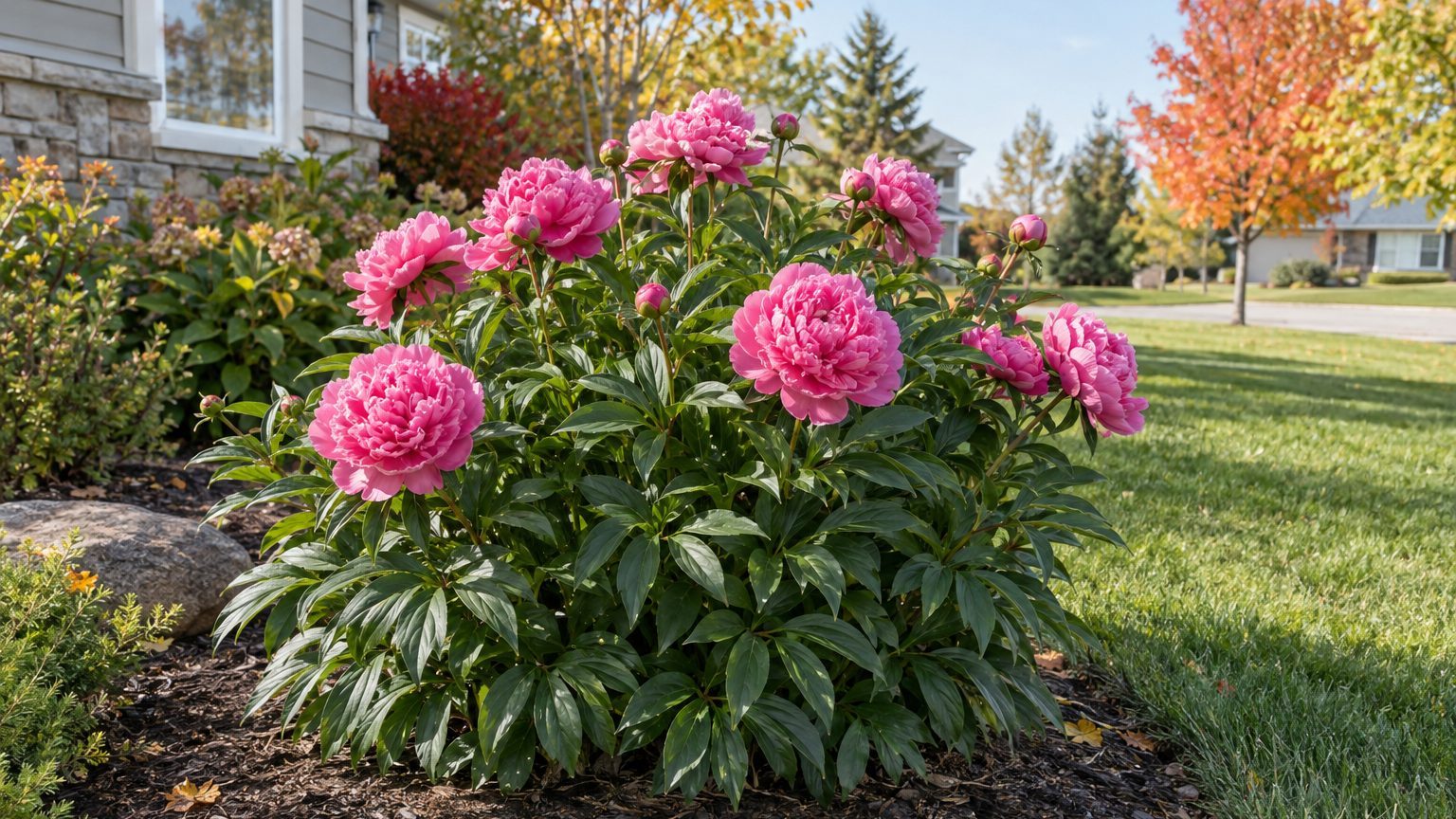
Peony shoots push up red and tight as the snow leaves, and planting in September gives new roots time to settle before the ground freezes. For peonies in Nunavut, the planting window is short and the blooms arrive late, so the whole year runs on a different clock than in the south.

When to Plant Peonies in Nunavut

When to Plant Peonies in Nunavut: Dates and Care

Plant or divide peonies in September, while the soil can still be worked and before the ground freezes. A peony’s year here looks like this:

  • In spring, as the snow retreats and the soil thaws, red shoots emerge from the crown and the plant starts to grow.
  • In June, the stems lengthen and buds form, and the first blooms can open in a warm year.
  • In July and August, the main bloom arrives, later than in most of North America.
  • In September, the roots go into the ground, giving them time to settle before winter locks the soil.
  • After the first hard frost, the leaves collapse and brown, and the plant rests under the snow through the cold season.

In Rankin Inlet, the last spring frost falls on average around June 19. That is a midpoint, so frost can still come later than that in many years, and northern districts run weeks behind.

In Rankin Inlet, the first fall frost arrives on average around September 13. This is a midpoint, not a safe date for the whole territory. Rankin Inlet sits in Canadian hardiness zone 0a, a rating that does not convert to a USDA zone.

No local extension page covers peony timing for the territory, so the planting and bloom months here follow the nearest comparable northern climate. Confirm local timing with a garden centre, a garden society or a territorial gardening group before you order roots.

Which Peonies Grow Best in Nunavut?

Peonies need a cold winter rest to flower, and that is the one thing the far north supplies in abundance. Winter cold is not the obstacle. The short, cool summer is, which is why bloom comes in July and August instead of late spring.

Herbaceous peonies fit this pattern well because they die back each year and rest below ground. Late-blooming cultivars are a sound choice, since they flower when the season has warmed.

Peony type How it does in Nunavut Why
Herbaceous peonies A workable choice, blooming in July and August They die back each year, and the long cold rest sets buds
Late-blooming cultivars Open from July into August, with June possible in a warm year Their flowering follows the late northern summer

Tree peonies are a harder bet. They keep woody stems above ground through winter, and those stems face the wind and cold with only whatever snow covers them. If you try one, plant it where drifting snow settles, and treat it as an experiment.

When to Plant, Cut Back and Feed Peonies in Nunavut

Peony care involves getting roots in the ground before freeze-up, cutting back once the foliage has died, and feeding as growth starts. The cutback applies only to herbaceous types. A tree peony keeps its woody stems and is never cut back.

Task Best timing in Nunavut Why then
Planting or dividing September, before the ground freezes Roots need time to settle before winter
Cutting back herbaceous peonies After frost has blackened the foliage The stems are spent, and removing them takes away a place for disease to overwinter
Feeding When the shoots break the soil in spring The plant draws on nutrients as the new stems rise
Bloom July and August, and June in a warm year The short northern summer pushes flowering later

Mulch placed after the ground freezes helps hold snow and steady the soil. Pull it back in spring so the shoots are not smothered.

How Peony Planting Dates Change Across Nunavut

Nunavut spans a huge range of latitude, and the same peony calendar shifts as you move across it. Warmth and the length of the frost-free stretch decide how much room a peony has.

  • Kivalliq: Rankin Inlet and the Hudson Bay coast set the pattern for the region. Spring comes slowly along the coast, with cold water holding temperatures down.
  • Qikiqtaaluk (Baffin Island): Iqaluit and the communities around it run cooler, so thaw comes later and fall frost can arrive earlier. Planting in September is safer than waiting.
  • Kitikmeot: Cambridge Bay sits in open, windswept country, where wind dries and chills the ground. A sheltered spot against a building makes the difference there.

Farther north, the season shortens further, and a peony there depends on a protected bed and a very early planting.

Where to Get Peony Advice in Nunavut

Canada has no county extension offices, so advice comes from agriculture departments, garden groups and local nurseries. Local nurseries and garden groups can help you with local advice.

  • Agriculture and Agri-Food Canada carries national guidance on soil and plant health, and it is a good starting point before you place an order.
  • A garden society or territorial gardening group can tell you which beds hold snow and which ones scour out in wind.
  • A local garden centre can confirm when bare roots arrive, so you can have them ready for planting in September.

Common Questions

How Deep Should You Plant a Peony?

Set the roots so the eyes, the small pink buds on the crown, sit near the soil surface. A peony planted too deep may bloom poorly or not come up at all.

Will a New Peony Bloom the First Spring?

Often it will not. A newly planted or transplanted peony may skip its first spring, so judge it by the growth it makes before expecting flowers.

Can You Buy Peonies in Spring Instead of Fall?

Potted plants turn up at garden centres in spring, while bare roots usually arrive for fall planting. For planting or dividing, wait until September and work before the ground freezes.
When to Plant Peonies in Nova Scotia: Dates and Care

When to Plant Peonies in Nova Scotia: Dates and Care

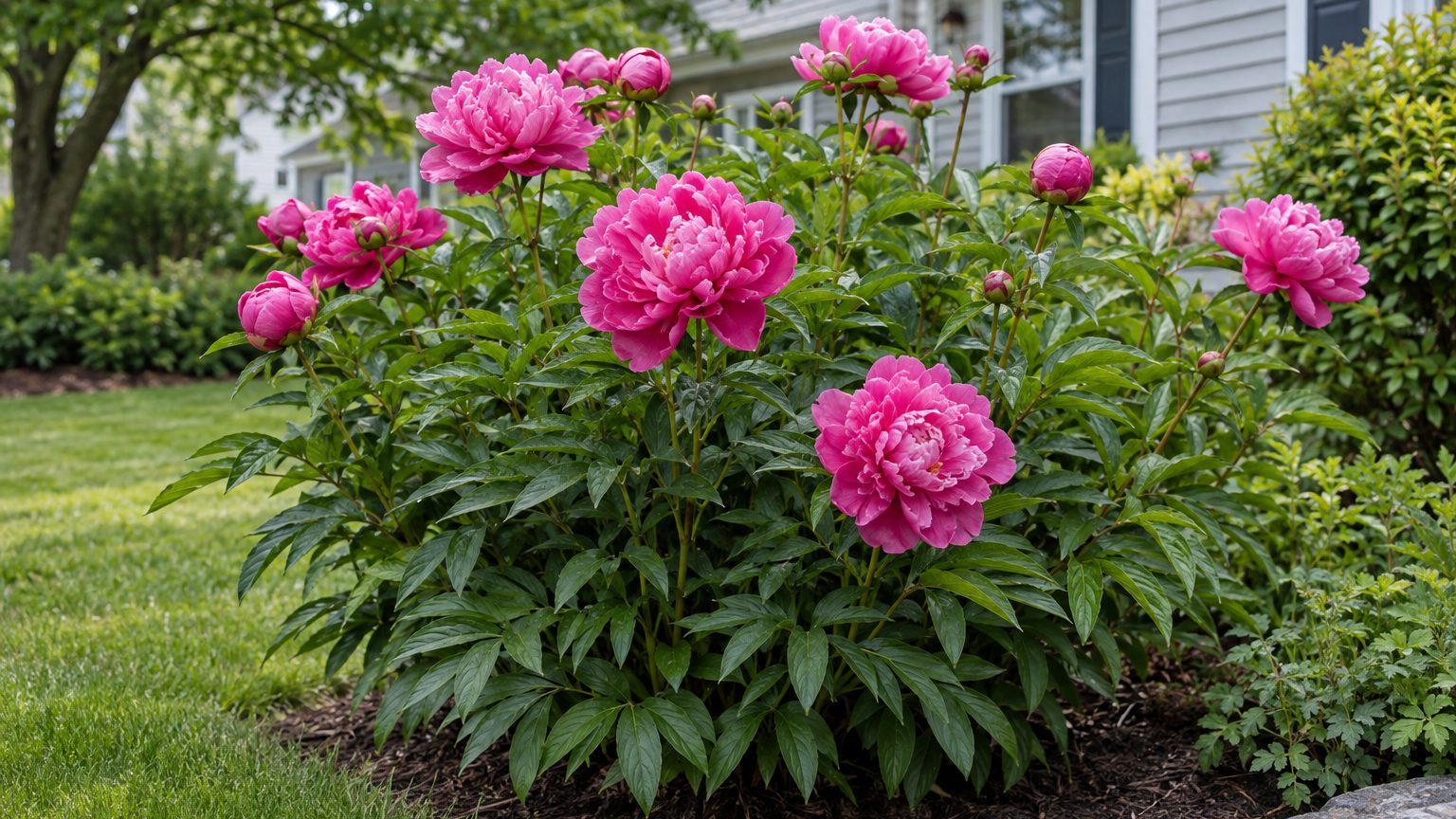
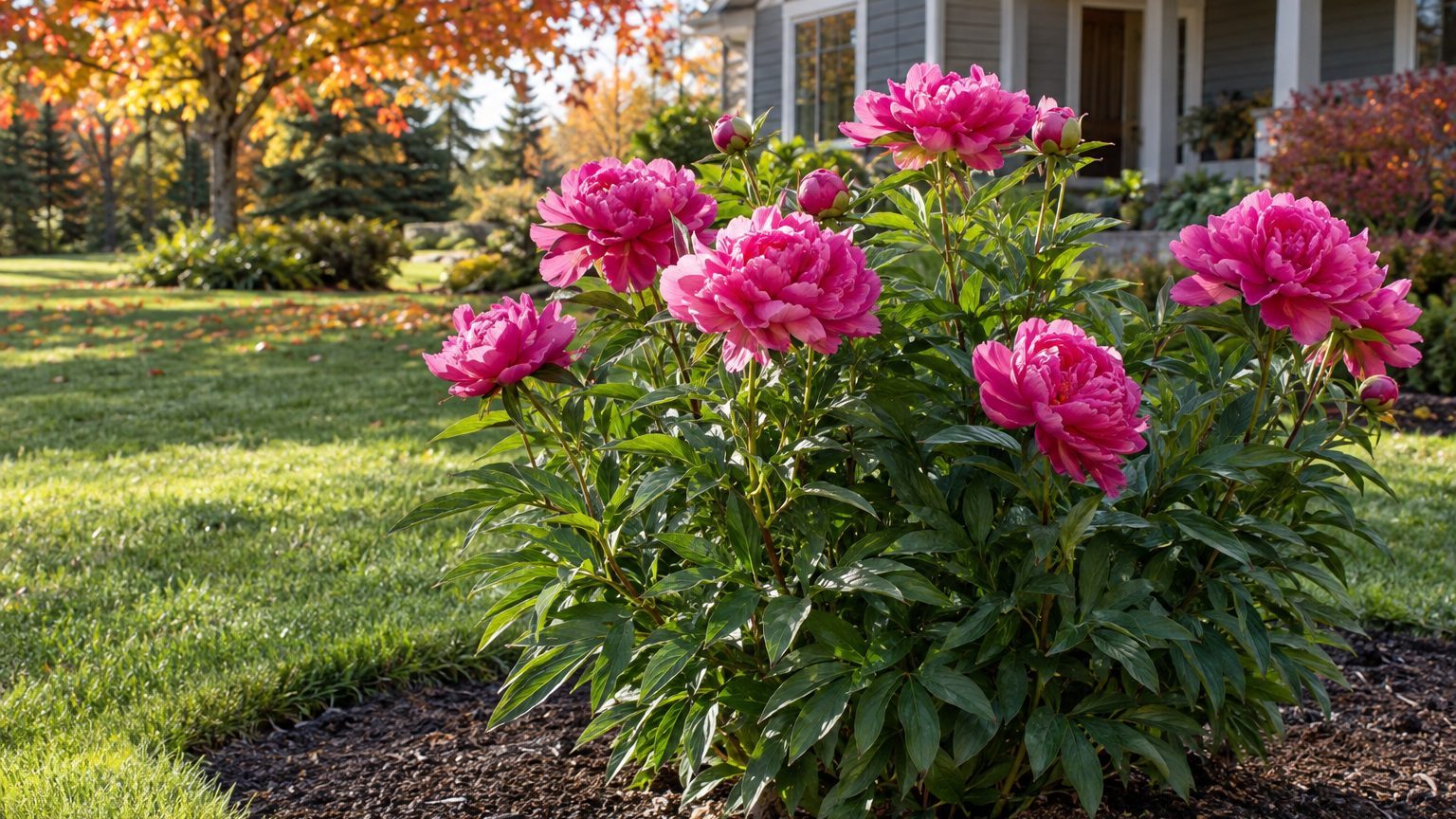
Peony stems poke up red and stubby through cold Nova Scotia soil in spring, and by early summer the garden fills with peony blooms. The plant asks for little, but the planting date matters more than most gardeners expect.

When to Plant Peonies in Nova Scotia

When to Plant Peonies in Nova Scotia: Dates and Care

Plant or divide peonies in August and September, and October still works if the season got away from you. Autumn planting gives the roots time to settle before winter, and the year that follows runs like this, based on a Canadian hardiness zone of 6b at Halifax.

  • In early spring, red shoots push up as the soil thaws, and in Halifax the last spring frost arrives on average around May 7, so a late cold snap can still nip tender tips.
  • In May and June, buds open, with the timing depending on the type, from late spring into June.
  • In late summer, from August through September, planting and dividing is at its best, and the roots grow while the soil is still warm.
  • In October, planting can still be done, and in Halifax the first fall frost falls on average around October 18.
  • In November and December, once the foliage has died back, herbaceous peonies can be cut to the ground.

Those frost dates are averages for Halifax, so half of all years bring frost later than each date. Northern and upland districts run weeks behind the coast. Spring planting is possible too, though flowers may be delayed a year. The dates here follow the nearest comparable climate in northern New England, so confirm local timing with a garden centre, a garden society or the provincial gardening groups.

Which Peonies Grow Best in Nova Scotia?

Peonies suit Nova Scotia well. They need a cold winter rest to flower and may flower poorly in mild-winter climates.

Four types are generally grown in home landscapes, and the cold requirement applies to all of them. These plants need a sustained period of cold winter weather to flower well.

Peony type How it does in Nova Scotia Why
Herbaceous (garden) peony Reliable in a cold-winter climate Dies back each year and rests through cold winters
Tree peony Grows well in a sheltered spot Keeps woody stems and blooms before the herbaceous types
Itoh (intersectional) peony Suits Halifax’s Canadian zone 6b climate Hybrid of garden and tree peonies, blooming last of the four

The woodland peony (Paeonia japonica) is the fourth type and opens first in late spring, though it is less common in home gardens. Whatever the type, keep the eyes near the soil surface when planting. A peony set too deep may bloom poorly or not come up at all.

When to Plant, Cut Back and Feed Peonies in Nova Scotia

Planting and cutting back have clear windows here, and both follow the plant’s own rhythm. Feeding has no month attached, so let the plant’s growth guide it.

A newly planted or transplanted peony may not bloom the first spring, so patience is part of the job. A herbaceous peony is cut back after frost, while a tree peony keeps its woody stems and is never cut back.

Task Best timing in Nova Scotia Why then
Plant or divide August to September, or October Roots settle before the ground freezes
Plant in spring As soon as the soil is workable Works, but flowers may be delayed a year
Cut back herbaceous peonies November to December, or March to April Foliage has died back, and early spring is the other window
Enjoy the blooms May to June Late spring into June, depending on the type

For feeding, work compost into the soil at planting time and keep fertilizer away from the eyes. A soil test tells you whether the bed needs anything more.

How Peony Planting Dates Change Across Nova Scotia

Nova Scotia is a long, narrow province with ocean on nearly every side, so the season shifts from one district to the next. The Halifax figures are a midpoint, not a rule for every yard.

  • Halifax and the Atlantic coast: The sea slows spring warming and softens the first fall frosts, so planting in September fits comfortably.
  • Annapolis Valley: Sheltered from the coast, the valley tends to warm earlier in spring, which suits an early start on planting.
  • Cape Breton Highlands: Higher ground runs weeks behind Halifax, so frost arrives sooner and planting in August gives roots a head start.

In a cooler district, lean toward the early end of the planting window. Roots then have time to anchor before the soil turns cold.

Where to Get Peony Advice in Nova Scotia

Nova Scotia has no county extension offices, so advice comes from the province and from local gardeners. A soil test or a photo of a struggling plant can make the advice more useful.

  • The Nova Scotia Department of Agriculture offers provincial guidance on soil testing and plant health.
  • Local garden centres and garden societies know which peony types do well in your district.
  • Master gardener groups can help diagnose a plant that fails to bloom.

Common Questions

Why Did My Peony Not Bloom After Planting?

A newly planted peony often skips its first spring. If the plant still does not bloom after its first spring, check whether the eyes sit near the surface rather than buried.

Can You Move a Peony in Spring?

Yes, as soon as the soil can be worked. Flowers may be delayed a year, so late summer remains the more rewarding time to move one.

Should You Cut Back a Tree Peony?

No. A tree peony keeps its woody stems through winter, so leave them in place and remove only dead or damaged wood.

When to Plant Peonies in Northwest Territories: Dates and Care

When to Plant Peonies in Northwest Territories: Dates and Care

Red peony shoots pushing through cold soil signal that a northern spring has settled in. In the Northwest Territories, though, the real work for those shoots started the previous fall, when the roots went into the ground. Planting in fall gives the roots time to settle before winter.

When to Plant Peonies in Northwest Territories

When to Plant Peonies in Northwest Territories: Dates and Care

Plant or divide peonies in September, in the fall, while the ground is still workable and well before it freezes. Roots set in early fall have time to settle before winter closes in, and the plant’s year then runs like this.

  • In September, plant new roots or divide crowded clumps, setting the buds just below the soil surface.
  • Through the long winter, the roots rest in frozen ground, and that cold rest is what lets a peony flower later.
  • In spring, shoots show once the soil thaws, and the average last frost in Yellowknife falls around May 25, so in Yellowknife one year out of two still sees a frost arrive after that date.
  • In June, the earliest buds can open on established plants, though flowering mostly waits for later in summer.
  • In July and August, peonies bloom here, later than in much of North America.
  • After a hard frost has blackened the stems, herbaceous peonies are cut back to the ground.

In Yellowknife, the average first frost in fall arrives around September 18, a midpoint rather than a safe date. Yellowknife is in Canadian hardiness zone 1b, which is not a USDA zone and does not convert to one. These dates follow the nearest comparable climate, since no local peony timing page exists for the territory. Confirm timing for your own town with a local garden centre, a garden society or a territorial gardening group.

Which Peonies Grow Best in Northwest Territories?

Peonies can suit a place like this. They need a cold winter rest to bloom, and the Northwest Territories delivers one every year. Summer heat is not the concern here, as it is in mild-winter regions where peonies flower poorly.

Bloom comes in July and August, so expect flowers later than gardeners farther south report. Choose a sunny spot with soil that drains well, and treat the type of peony as a choice about stems and winter exposure.

Peony type How it does in Northwest Territories Why
Herbaceous Suits the territory well It gets the cold winter rest it needs and dies back to the ground each year
Tree Worth a trial in a sheltered spot It keeps woody stems above ground all winter, so it is more exposed to the cold

Itoh peonies combine herbaceous and tree-peony traits. Ask a garden center about local results before you buy an Itoh peony.

When to Plant, Cut Back and Feed Peonies in Northwest Territories

Peony care here comes down to a few jobs, and the timing of each follows the season more than a calendar date. Plant in September and cut herbaceous peonies back after frost.

Task Best timing in Northwest Territories Why then
Plant or divide September, before the ground freezes Roots settle in before the long winter
Cut back herbaceous peonies After the first hard frost has blackened the stems The plant has finished storing energy and the dead foliage is out of the way
Leave tree peonies alone Never cut back The plant keeps its woody stems through winter
Feed Only after a soil test shows a need This avoids feeding a plant that does not need it

When you plant, keep the buds, often called eyes, close to the soil surface. A peony set too deep may bloom poorly or fail to come up at all. A soil test before planting tells you whether feeding is needed at all.

How Peony Planting Dates Change Across Northwest Territories

The September planting window holds across the territory, but spring arrives at different times in different places, and that shifts when the first shoots and buds appear.

  • Yellowknife and the Great Slave Lake shore: The lake slows spring warming near the water, so beds right on the shore can lag behind sheltered yards farther from it.
  • Fort Smith and the South Slave: Spring generally reaches the south earlier than Yellowknife, so shoots and buds may show sooner, while the fall planting window stays in September.
  • Inuvik and the Mackenzie Delta: Northern districts run behind Yellowknife, so confirm local planting and bloom timing.

The Yellowknife frost dates describe only the reference station, so gardeners elsewhere should confirm local timing.

Where to Get Peony Advice in Northwest Territories

The territory has no county extension offices, so local help comes from the territorial government and from gardeners nearby. They can confirm timing for your own town and help you size up a planting spot.

  • The Northwest Territories Industry, Tourism and Investment agriculture services can point you toward soil testing and growing guidance, so contact them before you plant.
  • A local garden centre or garden society can tell you which peony roots do well in your town and when bare roots arrive for fall planting.
  • Territorial gardening groups are a good place to compare notes on bloom dates and winter results in your own neighbourhood.

Common Questions

How Deep Should You Plant a Peony?

Set the roots so the buds sit just below the soil surface. Planted deeper than that, a peony tends to produce healthy leaves but few or no flowers, and sometimes does not come up at all. If an older plant shows lush foliage and no buds, check how far the crown is buried.

Can You Plant a Peony in Spring?

Bare roots are better handled in September, when they settle before winter.

Why Won’t a New Peony Bloom?

A newly planted or transplanted peony may not bloom in its first spring, even when everything is done right. Look at the plant: if the leaves are healthy and the crown is at the right depth, it is probably just settling in. Poor flowering with a deeply buried crown points to planting depth instead.

When to Plant Peonies in North Dakota: Dates and Care

When to Plant Peonies in North Dakota: Dates and Care

A well-established peony clump is a common sight on North Dakota farmsteads, and the plant earns its place by shrugging off winters that flatten fussier perennials. Getting a new one started comes down to the planting window and a few habits at the root.

When to Plant Peonies in North Dakota

When to Plant Peonies in North Dakota: Dates and Care

Plant or divide peonies in September to early October, so the roots settle in before the ground freezes. Here is how a peony’s year runs in North Dakota, in the order you will meet it.

  • In early spring, the red shoots push up through cold soil, and a peony planted the previous fall sends up growth without any help from you.
  • In June, the buds open, and bloom can stretch into early July depending on the variety and the weather.
  • Through summer, the foliage builds the plant’s stored energy for next year, which is why the leaves stay until fall.
  • In September to early October, the planting and dividing window opens, giving roots time to anchor before winter.
  • In October and November, after a hard freeze has killed the foliage, the stems come down for the year.

Frost dates give the backdrop. At the reference city, Fargo, the last spring frost falls between May 4 and May 15, and the first fall frost arrives between September 25 and October 5. Country and suburban yards usually frost later in spring and earlier in fall, often by one to two weeks, so check your own county. Hardiness zones run from 3a to 4b on the USDA system, and other parts of the state differ from Fargo.

Which Peonies Grow Best in North Dakota?

Peonies suit North Dakota well, because they need a cold winter rest to flower and this state delivers one. The mild-winter trouble that gardeners farther south face, with sparse blooms, does not apply here. Herbaceous peonies and Itoh hybrids are the easy ones to grow.

Peony type How it does in North Dakota Why
Herbaceous (garden) Reliable and long-lived Dies back to the ground each fall and regrows in spring
Itoh (intersectional) Good choice for a home bed Same yearly dieback and care as herbaceous types
Tree (woody) Needs protection Generally less hardy, so it wants a sheltered site or winter mulch

Woodland peony (Paeonia japonica) is another type grown in home landscapes. For a new planting, a herbaceous peony is an easy choice, and a tree peony is worth trying only where you can give it a protected corner.

When to Plant, Cut Back and Feed Peonies in North Dakota

Peony work clusters in fall. Planting and cutback happen in fall, while spring and summer ask for little beyond watching the plant leaf out and bloom.

Task Best timing in North Dakota Why then
Plant or divide September to early October Roots settle before the ground freezes
Cut back herbaceous types October to November, after a hard freeze The frost has killed the foliage, and removing it lowers disease risk
Deadhead Right after bloom Spent flowers come off before they set seed

Set the eyes near the soil surface when planting, because a peony set too deep may bloom poorly or not come up at all. Expect a quiet first spring too, since a newly planted or transplanted peony may not bloom. Cut herbaceous stems down to within a couple of inches of the ground and discard the debris rather than composting it. Tree peonies keep their woody stems and are never cut back. A soil test through your county office is the sensible way to decide whether and when to feed your peonies.

How Peony Planting Dates Change Across North Dakota

The planting window holds statewide, but local conditions slide it earlier or later in practice.

  • Red River Valley: Local conditions determine where a yard falls within the September-to-early-October planting window, and a hard freeze signals when to cut back herbaceous peonies.
  • Northern border counties around Minot and Williston: Use local conditions to choose a date within the September-to-early-October planting window, and finish before the ground freezes.
  • Missouri River country around Bismarck: Winter protection matters more for a tree peony in open, windy sites, and a mulch layer helps.

Bloom follows the same pattern, with warmer yards opening in early June and cooler ones closer to July.

Where to Get Peony Advice in North Dakota

NDSU Extension offers local garden guidance, and staff can help with a struggling clump or a soil test.

  • Your county extension office can explain how to take a soil sample and what the results mean before you plant.
  • Staff can identify disease or poor bloom if you bring a stem or photo, ideally in June when symptoms show.
  • The extension website carries garden publications you can read ahead of the September planting window.

Common Questions

Can You Plant a Peony in Spring in North Dakota?

Plan to plant or divide peonies in September to early October. Bare-root plants are usually sold for fall planting, which fits the September-to-early-October planting window.

Why Won’t a Peony Bloom After Planting?

The most common reasons are a new planting that has not yet settled or roots set too deep. Check that the eyes sit near the surface, and give the plant time.

Should You Mulch Peonies for Winter in North Dakota?

Herbaceous peonies are hardy and generally do fine without it. Tree peonies are the ones that benefit from mulch or a protected site.

When to Plant Peonies in North Carolina: Dates and Care

When to Plant Peonies in North Carolina: Dates and Care

Peony shoots push through the soil in early spring as red-tinged knobs, and fall-planted roots have time to settle before the next bloom season. In North Carolina, planting is a fall job, timed so the roots settle before winter.

When to Plant Peonies in North Carolina

When to Plant Peonies in North Carolina: Dates and Care

Plant or divide peonies in late September or October, and never in the heat of summer. The year of a peony here runs like this.

  • In late September and October, the soil is still warm enough for new roots to grow while the air cools, so the crown settles in before winter.
  • Through winter, the plant rests underground, and that cold rest is what sets up flowers for the following spring.
  • In early spring, with the last frost in Charlotte typically falling between March 23 and April 5, red shoots emerge and can shrug off a light frost.
  • In April and May, the buds open, though some cultivars flower as early as March.
  • Through summer, the foliage works quietly to feed the roots for next year, so leave it standing.
  • In November, once frost has blackened the leaves, herbaceous types get cut back, and October or December works too if your schedule demands it.

In Charlotte, the first fall frost typically arrives between October 30 and November 8, which is why October planting leaves little slack. These dates describe Charlotte, in the Piedmont, within a state that spans USDA hardiness zones 5b to 8b. Mountain and coastal yards run on a different clock, as the regional section explains.

Which Peonies Grow Best in North Carolina?

Peonies grow here, but they need a cold winter rest to flower, so they perform best where winters are properly cold. In milder parts of the state they can flower poorly. Spring heat is the other hurdle, which is why bloom type and timing matter.

Peony type How it does in North Carolina Why
Early-blooming cultivars Dependable They open before hot weather arrives and are less prone to botrytis blight
Single bloom types Usually perform well They handle warm Southern springs better than doubles
Japanese bloom types Usually perform well They also cope with warm springs better than doubles
Double bloom types Often struggle They usually fare worse in the South than singles and Japanese forms

Each plant blooms for about two weeks, so mixing early cultivars with later ones stretches the show across the season. Tree peonies, the shrubby kind with woody stems, are a separate group with their own habits, and the care table below shows how they differ at pruning time. Choose a bloom type suited to Southern springs, then pick the flower color you like.

When to Plant, Cut Back and Feed Peonies in North Carolina

Peony care here follows a seasonal rhythm. Planting time matters because a crown set in too late has little time to root before the cold.

Task Best timing in North Carolina Why then
Planting or dividing Late September or October Roots settle in cooling soil before the winter rest
Bloom April and May, as early as March for some cultivars Cultivar and spring weather decide the exact opening
Cutting back herbaceous peonies November, after frost has killed the leaves, or in October or December The dead stems can carry disease if left standing
Cutting back tree peonies Never Their woody stems stay alive and carry next year’s buds

Cut herbaceous stems down to the soil surface and clear them away rather than composting them. Before feeding, ask the county office for advice so any fertilizer matches the bed’s needs.

How Peony Planting Dates Change Across North Carolina

The fall planting window holds statewide, but spring comes at different times depending on where the yard sits, and that changes how the plants behave.

  • Blue Ridge Mountains: Spring arrives later than in Charlotte, so shoots wake up later and the last frost risk lingers longer. Colder winters here give peonies the rest they want.
  • Piedmont around Charlotte: This is the reference point for the dates above, with a moderate winter that still delivers enough cold for good flowering.
  • Coastal Plain: Spring comes earlier than inland, so growth starts sooner and blooms open ahead of the Piedmont. Milder winters make flowering less certain, which makes early-blooming singles the safer bet.

If your yard sits in the mountains or near the coast, treat the dates here as a starting point and let your local conditions nudge the schedule.

Where to Get Peony Advice in North Carolina

Local help is easy to reach, and it settles questions about soil, cultivars and problems on your own plants.

  • Peony guidance written for the state’s growing conditions is worth reading before you order plants.
  • Your county extension center can help, so go in before planting season or as soon as leaves look wrong.

Start with the NC State Extension site, then call the county center to book a soil test before the planting window opens.

Common Questions

How Deep Should You Plant a Peony in North Carolina?

Set the crown so the eyes, the pink buds on the root, sit near the soil surface. A peony planted too deep may bloom poorly or not come up at all. Peonies like cold weather, so the buds need to feel winter rather than hide under a thick blanket of soil.

Will a New Peony Bloom the First Spring?

A newly planted or transplanted peony may not bloom the first spring. The plant spends its early energy on roots, and flowers usually follow once it has settled in. Missing flowers in that first year is not a sign something went wrong.

Can You Divide Peonies in North Carolina?

Yes, and the timing matches planting. Divide in the same fall window, in late September or October, so each piece has time to root before winter. Dividing in the heat of summer stresses the plant and sets back its recovery.

When to Plant Peonies in New York: Dates and Care

When to Plant Peonies in New York: Dates and Care

A peony clump that sat quietly through winter pushes up red shoots in spring, and by late spring the buds swell into the blooms people plant them for. In New York, the work that makes that show possible happens months earlier, in late summer and early fall, when new roots and divisions go into the ground.

When to Plant Peonies in New York

When to Plant Peonies in New York: Dates and Care

Plant or divide peonies in New York in August and September, with October as a fallback. Here is how the rest of the year unfolds. The frost dates here describe New York City, and the hardiness zone range of 3b to 7b (USDA system) tells you upstate gardens differ.

  • In early spring, red shoots break the soil, and the last spring frost in New York City falls between March 23 and April 3.
  • In May and June, the flowers open, with the exact weeks depending on the type you grow.
  • Through summer, the foliage keeps feeding the roots, which is why leaves should be left alone while they are green.
  • In August and September, the soil is warm and roots establish well, so this is the time to plant or divide before cold arrives.
  • In October, planting can still be done if the window slipped, though roots get less time to settle.
  • From November to December, the foliage is cut back after it has died, and the first fall frost in New York City arrives between November 14 and November 27.

Spring planting is possible too, but it may delay flowers a year. Even a fall planting may skip blooms the first spring, so patience is part of the deal. Set the eyes near the soil surface, because a peony planted too deep may bloom poorly or not come up at all.

Which Peonies Grow Best in New York?

Peonies suit New York well, because they need a good stretch of winter cold to bloom, and most of the state gets that easily. Mild winters are what cause weak flowering, and that is rarely a concern here.

These peony types are generally grown in home landscapes. The same types are open to New York gardeners, who have a cold winter rest to offer them.

Peony type How it does in New York Why
Herbaceous (garden) peony Suited to cold-winter gardens Dies back each year and rests through cold winters
Tree peony Grows well with care Woody stems stay through winter and are never cut back
Intersectional (Itoh) Suited to home gardens A hybrid of the garden and tree peonies
Woodland peony Grown in home landscapes Opens first in the bloom sequence

Bloom order matters if you want a long show. Extension notes say the woodland type opens first, then tree peonies, then herbaceous types, with Itoh hybrids finishing the run, so mixing types stretches color through late spring and into June.

When to Plant, Cut Back and Feed Peonies in New York

Planting and cutting back have clear windows here.

Task Best timing in New York Why then
Planting or dividing August to September, or October Roots settle before the ground freezes
Spring planting As soon as soil is workable Possible, but flowers may be delayed a year
Cutting back herbaceous peonies November to December, or March to April Foliage has died back and no longer feeds the roots
Feeding Ask your county office Plants use nutrients as new growth starts
Blooming May to June Depends on type, from woodland to Itoh

Cut herbaceous stems to the ground once frost has blackened them, or leave them until early spring and clear them then. Tree peonies are different: they keep their woody stems, so never cut them back.

How Peony Planting Dates Change Across New York

New York stretches from city streets to mountain country, and the planting season shifts with it. Cold arrives sooner in the hills and north, so gardeners there lean toward the early end of the planting window.

  • Adirondacks: Winter comes early and stays late, so plant at the front of the fall window to give roots time before the ground freezes.
  • Upstate and the Finger Lakes region: Cold arrives earlier than in the city, though large lakes can soften the edges of the season near their shores.
  • New York City and Long Island: Milder and more urban, so the later part of the window is more comfortable and frost comes later in fall.

The frost dates given earlier belong to New York City, so upstate gardeners should expect frost to come sooner in fall and linger longer in spring.

Where to Get Peony Advice in New York

For a long-lived plant, local advice pays off. Cornell Cooperative Extension serves the state through offices in each county.

  • Your county office can diagnose a clump that refuses to bloom, and you can ask when you see the problem.
  • A soil test through the office tells you what the bed needs, so send one before an August or September planting.

Common Questions

Why Did My Peony Not Bloom After Planting?

A newly planted or transplanted peony may not bloom the first spring. If the clump is established and still silent, look at the planting depth and the light: eyes buried deep or a shady spot can cut flowering.

Can You Move a Peony in Spring?

Yes, as soon as the soil is workable. Expect the plant to sulk, since spring moves may delay flowers a year compared with a late-summer move.

Do Tree Peonies Need Cutting Back?

No. Tree peonies keep woody stems through winter, so leave them standing and remove only dead wood.

When to Plant Peonies in New Mexico: Dates and Care

When to Plant Peonies in New Mexico: Dates and Care

A peony that sulks in a New Mexico bed may not have had enough winter cold. These plants want a long cold rest before they flower, and the state’s range of climates decides whether that rest happens.

When to Plant Peonies in New Mexico

When to Plant Peonies in New Mexico: Dates and Care

Plant peonies in fall while the soil is still workable, so the roots can settle in before winter. Let conditions in the yard guide you rather than the calendar. Most of the year follows this rhythm:

  • In early spring, red shoots push up and a late frost can nip them, so keep a sheet or light cloth handy for cold nights.
  • Through late spring, plants leaf out and buds form, and a newly planted peony may not bloom its first spring.
  • In summer, the foliage works to feed the roots for next year, so keep watering the bed regularly during dry spells.
  • In early fall, the soil is still workable and warm enough for roots to grow, which makes it the moment to plant or divide.
  • After the first hard frost, the leaves of herbaceous types turn limp and the winter rest begins.

For frost timing, the Albuquerque reference runs from March 31 to April 12 for the last spring frost, and gardens in the suburbs and at higher elevation usually see it later. The first fall frost arrives October 29 to November 9 there, with suburban, rural and higher-elevation gardens often seeing it earlier. Hardiness zones in the state run from 4b to 9a on the USDA system, so check your own county before settling on dates.

Which Peonies Grow Best in New Mexico?

Peonies can work in New Mexico, but mainly where winters are properly cold. They need winter chilling to bloom, so choose a spot where New Mexico winters turn properly cold. Cold northern and high-elevation yards are more likely to provide enough winter chilling, while milder low-desert spots may see poor flowering.

Early-blooming cultivars cope better with heat because they open before hot weather arrives. That reasoning carries over to warmer New Mexico yards.

Peony type How it does in New Mexico Why
Herbaceous Good in cold-winter areas, weaker in mild ones Needs a cold winter rest to flower
Early-blooming cultivars Better choice for warmer yards Bloom before hot weather sets in
Cold-zone plantings Most dependable Winters supply the chilling needed for buds

For tree peonies and Itoh types, ask your county office before buying them. In mild-winter spots, expect fewer flowers or none at all.

When to Plant, Cut Back and Feed Peonies in New Mexico

Planting, cutting back and feeding shape the year. Follow signs you can see in the garden rather than a fixed date on the calendar.

Depth matters as much as timing. A peony planted too deep may bloom poorly or not come up, so keep the eyes near the soil surface.

Task Best timing in New Mexico Why then
Plant or divide Fall, while the soil is still workable Roots settle in before the cold arrives
Cut back herbaceous peonies After the first hard frost has killed the foliage The plant has died back and the stems are finished
Leave tree peonies alone Never cut back They keep their woody stems
Water Regularly through dry summer spells Leaves feed the roots for next year’s buds

If you feed, do it lightly as spring shoots begin active growth.

How Peony Planting Dates Change Across New Mexico

Elevation does most of the sorting in New Mexico, because winter cold and frost timing shift quickly as the land climbs. Local examples show the contrast.

  • Albuquerque: The Rio Grande valley floor is the reference point for the frost dates above. Planting comes in fall here, but warmer spots may see less reliable flowering.
  • Santa Fe and Taos: Higher, colder ground brings a longer winter rest and a later spring, so peonies get the chilling they want and shoots wake up later.
  • Las Cruces and the southern desert: Milder winters leave less chilling, so early-blooming cultivars make the most sense and flowering may be thin.

Fall frost also comes sooner as you go up, so plant early enough that roots establish first.

Where to Get Peony Advice in New Mexico

Local conditions vary so much here that a nearby expert is worth a call. New Mexico State University Extension and your county office can sort out problems that general advice cannot.

  • The county extension office can help diagnose a peony that will not bloom, and a visit in fall suits a planting question.
  • Ask the county extension office about your soil before planting.
  • Staff can help you judge whether your neighborhood gets enough winter chilling for peonies.

Common Questions

Why Won’t My Peony Bloom in New Mexico?

Check the chilling and the heat together. If the plant is healthy but sits in a mild-winter yard, it may not get enough cold. If the roots were set deep, with the eyes well below the surface, flowering suffers too. A newly planted peony may also skip its first spring.

Can You Plant Peonies in Spring in New Mexico?

Fall is the better moment, since roots can settle before winter. A spring planting can survive, but the plant has less time to establish before heat arrives, so expect slower progress.

Should You Cut Back Peonies in New Mexico?

Herbaceous peonies are cut back once frost has killed the foliage. Tree peonies keep their woody stems and are never cut back, so identify yours before picking up the shears.

When to Plant Peonies in New Jersey: Dates and Care

When to Plant Peonies in New Jersey: Dates and Care

A peony clump that looks bare in September is quietly doing important work, storing food in its roots for next May’s flowers. In New Jersey, that same quiet stretch of early fall is when you plant or divide, and the dates and the care that follow are what make the yard’s peonies thrive.

When to Plant Peonies in New Jersey

When to Plant Peonies in New Jersey: Dates and Care

Plant or divide peonies in September, or in October at the latest, so the roots settle in well before the ground freezes. The rest of the year follows a steady rhythm, and the frost figures here describe Newark, so check your own county, since suburban and rural yards often see frost later in spring and earlier in fall.

  • In early spring, the last frost at Newark falls between March 29 and April 6, and new red shoots push up from the ground in gardens across zones 6a to 7b.
  • From May into June, established plants bloom, though a peony planted or moved the previous fall may skip flowering its first spring.
  • Through summer, the leaves keep working, storing sugars in the roots for the following year.
  • In September, or October at the latest, you plant bare-root divisions and move crowded clumps while the soil is still workable.
  • After frost in October and November, herbaceous stems are cut back, and the first fall frost at Newark arrives between November 4 and November 16.

Those zones come from the USDA hardiness system, and the cold they describe is exactly the winter rest peonies need to set buds. Planting in early fall lets roots establish before that rest begins.

Which Peonies Grow Best in New Jersey?

Peonies suit New Jersey well. They need a cold winter rest to flower, and winters across zones 6a to 7b deliver it. Heat is less of a worry here than it would be farther south, so you can choose among the main types.

Herbaceous peonies and intersectional (Itoh) hybrids are the easiest to grow and share the same routine: they die back to the ground each fall and return in spring.

Peony type How it does in New Jersey Why
Herbaceous (garden) Reliable and easy Dies back each fall and regrows in spring, with winters cold enough for bud set
Intersectional (Itoh) Reliable and easy A hybrid of garden and tree peonies with the same yearly cycle as herbaceous types
Tree (woody) Grows well with patience Woody stems go dormant over winter and renew growth each spring

Woodland peony (Paeonia japonica) is another type grown in home landscapes, though it is less common. Whatever you choose, keep the eyes near the soil surface, because a peony planted too deep may bloom poorly or not come up at all.

When to Plant, Cut Back and Feed Peonies in New Jersey

Planting and cutting back have clear windows here. This calendar does not provide a feeding schedule.

A herbaceous peony is cut back after frost, while a tree peony keeps its woody stems and is never cut back. Cut herbaceous stems down to within a couple of inches of the ground.

Task Best timing in New Jersey Why then
Plant or divide September, or October at the latest Roots have stored food and time to settle before winter
Bloom May into June Established plants flower once the buds have had their cold rest
Cut back herbaceous stems October and November, after frost Stems have died back; early spring is the other window, in March or April
Feed Ask your county extension office This calendar does not provide a feeding schedule

Cutting in fall leaves a tidier bed going into winter, while waiting until March or April works just as well if you prefer to leave the stems standing for now.

How Peony Planting Dates Change Across New Jersey

The state stretches from highlands in the north to flat coastal plain in the south, and that changes how soon frost arrives and how soon spring warms the soil.

  • High Point and the Skylands: Elevation brings a later spring thaw and an earlier fall frost, so plant in September or October and give new roots time to settle.
  • Central New Jersey: Gardens near the Newark reference point follow the dates above most closely, with planting comfortable through September and into October.
  • The Jersey Shore and Cape May: Ocean air softens the cold, so October planting stays workable here longer than inland.

Wherever you garden, the calendar months stay the same, and local frost only nudges you toward the start or the end of the window.

Where to Get Peony Advice in New Jersey

Rutgers Cooperative Extension, part of Rutgers New Jersey Agricultural Experiment Station, offers local guidance, and each county has its own office for diagnosis questions and soil tests.

  • The extension website carries peony and perennial guidance written for New Jersey conditions, useful any time of year.
  • Your county office can test your soil and look at a struggling plant, so contact them before planting.

Before September arrives, check where the sun falls in your bed and test the soil, so the roots go into the right spot.

Common Questions

Can You Plant a Peony in Spring in New Jersey?

Plant or divide peonies in September, or in October at the latest.

Why Did My New Peony Not Bloom in New Jersey?

A newly planted or transplanted peony may not bloom its first spring. If an older plant has stopped flowering, check the depth too, since eyes buried deep produce leaves but few flowers.

Should You Cut Back Tree Peonies in New Jersey?

No. A tree peony keeps its woody stems through winter and renews growth from them each spring, so only herbaceous types are cut back.

When to Plant Peonies in New Hampshire: Dates and Care

When to Plant Peonies in New Hampshire: Dates and Care

A peony clump in late spring carries fat, fragrant blooms, and the work that made them happen was done the autumn before. Planting, dividing and cutting back all follow the calendar of a cold-winter plant.

When to Plant Peonies in New Hampshire

When to Plant Peonies in New Hampshire: Dates and Care

Plant or divide peonies in August and September, with October as a fallback, so the roots settle before the ground freezes. Here is how a peony’s year runs in New Hampshire.

  • In March and April, a herbaceous peony that was left standing over winter can be cut back.
  • In May and June, the plants bloom, with the timing shifting by type from late spring into June.
  • Through summer, the foliage builds the energy stored in the roots for next year’s buds.
  • In August and September, the soil is warm and moist enough for new roots, which makes this the time to plant or divide, and it can still be done in October.
  • In November and December, after the foliage has died back, herbaceous peonies can be cut to the ground.

Frost dates guide the edges of that year. At the reference weather station, the last spring frost falls between April 16 and April 27, and the first fall frost arrives between October 13 and October 26. Home gardens usually see the last spring frost later and the first fall frost earlier, often by one to two weeks and more at elevation, so check your own county. The state spans USDA zones 3b to 6a.

Which Peonies Grow Best in New Hampshire?

Peonies suit New Hampshire well. They need a winter rest to flower, and New Hampshire winters provide more than enough cold to meet that need. Mild-winter climates are where peonies flower poorly, not here.

Four types are generally grown in home landscapes, and all of them are worth considering for a New Hampshire yard.

Peony type How it does in New Hampshire Why
Herbaceous (garden) peony Reliable, blooms in late spring into June Dies back each year and relies on cold winters to set buds
Tree peony Grows well, blooms ahead of the herbaceous types Keeps woody stems, so it is never cut back
Intersectional (Itoh) peony Suited to the state, flowers last of the four A hybrid of garden and tree peonies, so it extends the season

The woodland peony (Paeonia japonica) is a white-flowered type that opens first. In New Hampshire, the types bloom in overlapping turns, which gives a long run of flowers when different kinds share the garden.

When to Plant, Cut Back and Feed Peonies in New Hampshire

Peony work follows the seasons. Planting and dividing happen in late summer and early fall, while cutting back waits until the foliage has died down. Depth matters at planting: a peony set too deep may bloom poorly or not come up, so keep the eyes near the soil surface.

Task Best timing in New Hampshire Why then
Planting or dividing August and September, or October if needed Roots establish in warm soil before winter
Spring planting As soon as the soil is workable Possible, but flowers may be delayed a year
Cutting back herbaceous peonies November and December, or March and April Foliage has died back, and removing it clears out disease
Feeding When growth starts in spring Supports the new shoots as they emerge

A newly planted or divided peony may not bloom the first spring, so patience is part of the job. Tree peonies skip the cutback entirely, since their woody stems carry next year’s growth.

How Peony Planting Dates Change Across New Hampshire

The state runs from the coast to the mountains, and the season shifts with it. Plan around your own conditions rather than a single date.

  • Seacoast: Check local frost timing before deciding how late to plant in fall.
  • Lakes Region: Check your county’s frost timing before choosing a planting date.
  • White Mountains and the North Country: Elevation brings an earlier first fall frost and a later spring thaw, so aim for the start of the planting window and do not wait until October.

In the southern valleys, check local frost timing before setting your planting schedule.

Where to Get Peony Advice in New Hampshire

When a peony refuses to bloom or the soil is a question mark, local help is close. University of New Hampshire Extension answers garden questions and can point you to your county office.

  • The extension service offers plant diagnosis, and a photo of the foliage along with a note on planting depth helps.
  • Your county office can guide a soil test, best collected before planting.

Common Questions

Why Won’t My Peony Bloom?

Planting too deep is a common cause, and shade is another. Check that the eyes sit near the surface, and that the plant gets sun for much of the day. A newly moved plant may also need a year to settle.

Can You Move a Peony in Spring?

Yes, as soon as the soil is workable. Expect fewer flowers that year, since the plant is rebuilding its roots. Late summer moves usually recover better.

Do Tree Peonies Need Cutting Back?

No. A tree peony keeps its woody stems through winter. Remove only dead or damaged wood once new growth shows in spring.

When to Plant Peonies in Newfoundland and Labrador: Dates and Care

When to Plant Peonies in Newfoundland and Labrador: Dates and Care

A peony that goes in the ground in late summer spends the fall growing roots while the soil is still mild, and it comes up the next spring ready to settle in. In Newfoundland and Labrador, that late-summer window helps the clump settle well.

When to Plant Peonies in Newfoundland and Labrador

When to Plant Peonies in Newfoundland and Labrador: Dates and Care

Plant or divide peonies from August through September, with October as a fallback. The province has no local extension page on peony timing, so these dates follow the nearest comparable climate in northern New England, and a local garden centre or garden society can confirm timing for your district.

  • In August and September, dig, divide or plant, so the roots establish before the ground freezes. Keep the eyes (the pink buds on the root) close to the soil surface, because a peony set too deep may bloom poorly or not come up.
  • In October, planting is still possible if the season got away from you, though the roots have less time to settle.
  • From November through December, once the foliage has died back after frost, herbaceous peonies get cut to the ground.
  • In March and April, the same cutting back can wait until early spring if you prefer to leave the dead stems over winter.
  • In May and June, the plants flower, with the exact timing depending on the type. A newly planted or transplanted peony may not bloom the first spring.

At the reference station in St. John’s, the last spring frost falls on average around May 30, so in one year out of two it comes later, and northern or upland districts run weeks behind. The first fall frost arrives on average around October 17, again with half of years later. These frost dates are midpoints of a window, not safe dates. St. John’s sits in Canadian hardiness zone 6a, a Canadian system that does not convert to a USDA zone.

Which Peonies Grow Best in Newfoundland and Labrador?

Peonies suit this province well, because they need winter cold to flower and a cool climate supplies it. The province’s winters easily deliver the minimum stretch of cold that peonies need to set buds.

Your choice comes down to the look you want and the bloom span you are after.

Peony type How it does in Newfoundland and Labrador Why
Herbaceous (garden) peony A dependable choice for borders Dies back each year and relies on winter cold to set flowers
Tree peony Worth trying in a sheltered spot Keeps woody stems above ground, so it is never cut back
Intersectional (Itoh) peony Suited to the same cold winters A hybrid of the garden and tree types, flowering after the herbaceous kind

The woodland peony (Paeonia japonica) is a white-flowered plant that opens first in the season.

When to Plant, Cut Back and Feed Peonies in Newfoundland and Labrador

Peony care is mostly about timing the big jobs and then leaving the plant alone. Planting and dividing belong in late summer, while cutting back follows the first hard frost, once the leaves have collapsed.

Herbaceous peonies get cut to the ground, but a tree peony keeps its woody stems and is never cut back.

Task Best timing in Newfoundland and Labrador Why then
Plant or divide August to September, or October if needed Roots settle in before the soil freezes
Cut back herbaceous peonies November to December, or March to April The foliage has already died back after frost
Enjoy the bloom May to June Each type opens in turn through late spring
Feed Ask a local garden center about appropriate local timing Local advice can account for soil conditions

Spring planting is possible once the soil is workable, but it may delay flowers a year. If you have to move a clump in spring, expect a quiet first season and be patient.

How Peony Planting Dates Change Across Newfoundland and Labrador

A province this large and this exposed to the Atlantic does not run on one clock, so your local conditions can shift the planting window a little in either direction.

  • St. John’s and the Avalon Peninsula: The ocean keeps the season slow to warm and slow to cool. Planting in the early part of the August to September window works well here.
  • Central Newfoundland: Inland sites run colder in fall, so frost can arrive sooner. Aim for late August so roots get their head start.
  • Labrador: Seasons are shorter and spring comes later. Plant at the early end of the window and choose a sheltered, sunny spot.

Wind and exposure matter as much as latitude, so a protected yard can behave like a milder district.

Where to Get Peony Advice in Newfoundland and Labrador

Canada has no county extension offices, so advice comes from the province and from local growers. For a diagnosis or a soil test, start with the provincial agriculture department and local gardeners.

  • The Newfoundland and Labrador Department of Fisheries, Forestry and Agriculture can point you to soil testing and plant health help, so contact it before you plant.
  • A local garden centre or garden society can confirm timing for your district, and spring or late summer visits fit the planting season.
  • Master gardener or provincial gardening groups can help you troubleshoot a clump that is not flowering.

Common Questions

Why Won’t My Peony Bloom?

Look at the planting depth and the age of the plant. A clump set too deep, with the eyes well below the surface, may leaf out without flowering. A young transplant may not bloom the first spring. Shade is another common cause, so check whether the spot gets plenty of sun.

Can You Move a Peony in Spring?

Yes, once the soil is workable, but it may cost you a year of flowers. Late summer is the better window. If spring is the only option, dig a generous root ball, replant at the same depth and water regularly.

Should You Cut Back a Tree Peony?

No. A tree peony keeps its woody stems through winter, and cutting them to the ground removes next year’s flower buds. Only dead or damaged wood needs to come out, and herbaceous peonies are the ones that get cut to the ground.

The almanac, state by state. Every date on this site comes from a state’s own frost facts and its extension service’s calendar — and says where it comes from.