Skip to content
  1. Jan
  2. Feb
  3. Mar
  4. Apr
  5. May
  6. Jun
  7. Jul
  8. Aug
  9. Sep
  10. Oct
  11. Nov
  12. Dec
State
California
USDA zones
5a-11a
Frost
none in an average year
Annual rain
12 in
Lawn zone
warm-season
Source
NOAA NCEI 1991-2020 Climate Normals · Los Angeles

The year in California, from the calendar

  1. JanPlant hydrangeas · Prune roses · Plant fruit trees · Prune fruit trees · Mow
  2. FebPlant hydrangeas · Plant roses · Prune roses · Prune fruit trees · Mow
  3. MarFeed hydrangeas · Feed roses · Plant roses · Fertilize the lawn · Mow
  4. AprFeed roses · Mow · Mow (warm-season lawns) · Seed the lawn (warm-season lawns) · Water
  5. MayFeed hydrangeas · Dethatch (warm-season lawns) · Fertilize the lawn · Fertilize the lawn (warm-season lawns) · Mow
  6. JunPrune bigleaf hydrangeas · Dethatch (warm-season lawns) · Fertilize the lawn (warm-season lawns) · Mow · Mow (warm-season lawns)
  7. JulFeed hydrangeas · Prune bigleaf hydrangeas · Mow · Mow (warm-season lawns) · Water
  8. AugMow · Mow (warm-season lawns) · Water
  9. SepSeed the lawn · Feed roses · Aerate · Dethatch · Fertilize the lawn
  10. OctPlant hydrangeas · Seed the lawn · Feed roses · Plant trees · Aerate
  11. NovPlant hydrangeas · Plant trees · Mow · Mow (warm-season lawns)
  12. DecMow · Plant trees

From the state frost facts and extension calendars: Clemson HGIC factsheet — Hydrangea · UC Statewide IPM Program — UC Guide to Healthy Lawns (seeding times; fertilization by zone) · UC Statewide IPM Program · UC Master Gardeners (UC ANR).

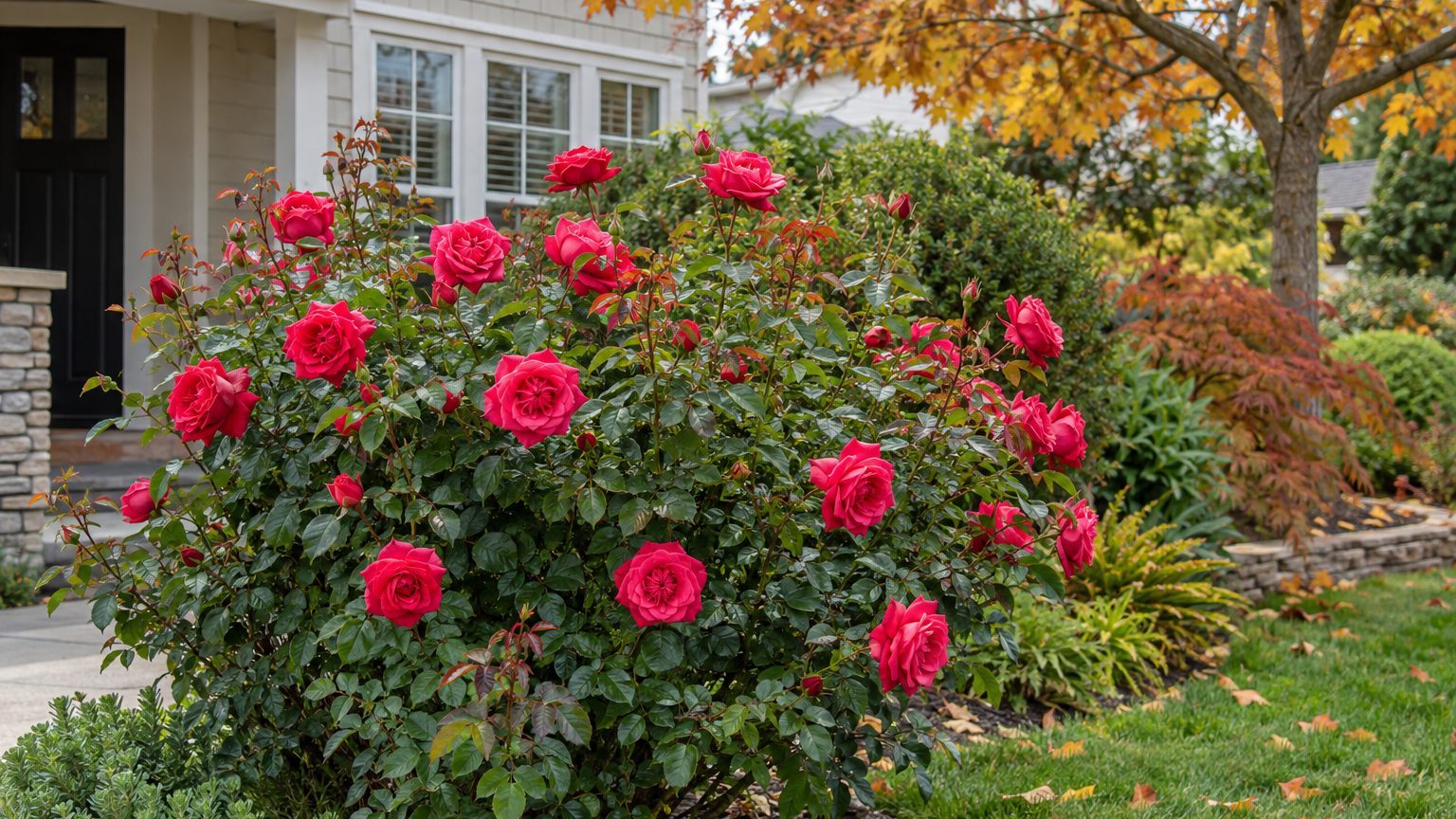
When to Plant Roses in California: Dates and Varieties

When to Plant Roses in California: Dates and Varieties

Bare-root roses arrive in winter, brown and leafless, and go into California soil while they are still asleep. Container roses follow once the weather settles and can be planted well into summer.

When to Plant Roses in California

When to Plant Roses in California: Dates and Varieties

Bare-root roses go in first, and container roses follow through summer. Frost decides how careful you need to be, and that depends on where you garden. Coastal and southern California is frost-free, so the limits there are heat, drought and water restrictions. Northern California, the Central Valley and the Sierra do freeze. USDA hardiness zones run from 5a to 11a across the state, so a Sierra garden and a coastal garden follow different rules.

  • In winter, bare-root roses are pruned back if they are repeat bloomers, and the garden bed is prepared before the plants arrive from the nursery.
  • In February and March, plant bare-root roses while they are dormant, because spring planting gives them the best start at establishing roots.
  • In March and April, feed the roses with nitrogen as the first flush of growth begins.
  • From April through August, container roses can go in, and bare-root planting is still possible through those months if a nursery has stock.
  • In September and October, give the second feeding of the year, with prunings and fallen leaves cleaned up around the base.

Bare-root plants establish best in spring, which is why February and March are the main planting window.

Which Roses Grow Best in California?

Roses that bloom heavily and resist disease do the most for a California yard. Dry interior valleys see fewer diseases than humid regions, so mildew and black spot press less there. Along the coast, cool damp air favors mildew, and the right variety matters more.

Resistance varies a great deal between varieties, so ask the nursery about mildew resistance before buying.

Rose type How it does in California Why
Floribundas and polyanthas Suited to landscape use Profuse bloom and disease resistance
Landscape (shrub) roses Among the most mildew-resistant Powdery mildew resistance is high in these varieties
Hybrid teas and grandifloras Less suited to landscape use than floribundas Lower disease resistance and bloom density

Old garden roses, ramblers and many climbers bloom once a year on last year’s wood, so they need different pruning timing than repeat bloomers. The pruning section below covers that.

When to Prune, Feed and Protect Roses in California

Pruning, planting and feeding set the rhythm of the rose year in California. Pruning comes in winter, planting in late winter, and feeding in spring and again in fall. In California, the suggested nitrogen rate is 1 pound per 1,000 square feet, scaled down for smaller beds, twice a year.

Task Best months in California Why then
Pruning repeat-blooming roses (hybrid teas, floribundas, modern shrub roses) January, February Winter, before the buds swell
Planting bare-root roses February, March Dormant plants establish best in spring
Feeding roses March, April, September, October Nitrogen goes on in spring and again in fall

Pruning can also happen in March or December. In places where late spring frosts are common, it can be delayed. Once-blooming roses are the exception, because they are pruned right after they flower and never in early spring.

How Rose Care Dates Change Across California

The state is large enough that the same task lands on different weeks depending on where the garden sits. Altitude, distance from the ocean and the risk of frost all shift the timing.

  • Sierra foothills and high country: Frost returns here, so pruning and planting wait later and buds stay protected longer.
  • Central Valley: Winters bring freezes, but interior dryness keeps disease pressure lower than on the coast.
  • Southern California coast: Frost does not occur in an average year, so the season stays open and heat and water limits matter more.

Where frost is possible, wait for the coldest weather to pass before pruning hard, and where it never comes, follow the months in the calendar.

Where to Get Rose Advice in California

When a rose looks sick or the soil seems off, local help narrows the guesswork. The state’s land-grant system supports gardeners through University of California Agriculture and Natural Resources and its county offices.

  • The county extension office can help diagnose a leaf problem if you bring a sample, and the sooner you go once symptoms appear, the better.
  • Master gardener volunteers answer local questions and know which varieties suit your area, so they are worth contacting before a winter order.
  • A soil test before planting in February or March shows what the bed needs before the first feeding.

Common Questions

Can You Plant a Rose in Summer in California?

Yes, with a container rose. Bare-root plants go in from February through August, and potted roses can go in through the summer months if they are watered regularly while they settle.

Do Roses Need Frost Protection in California?

That depends on the region. Coastal and southern gardens do not freeze in an average year, while northern areas, the Central Valley and the Sierra can, so young plants there need care in cold snaps.

Which Roses Are Easiest in a Dry Interior Valley?

Floribundas, polyanthas and landscape shrub roses suit these gardens well. Disease is less common in the dry interior valleys, and these types add heavy bloom and mildew resistance.
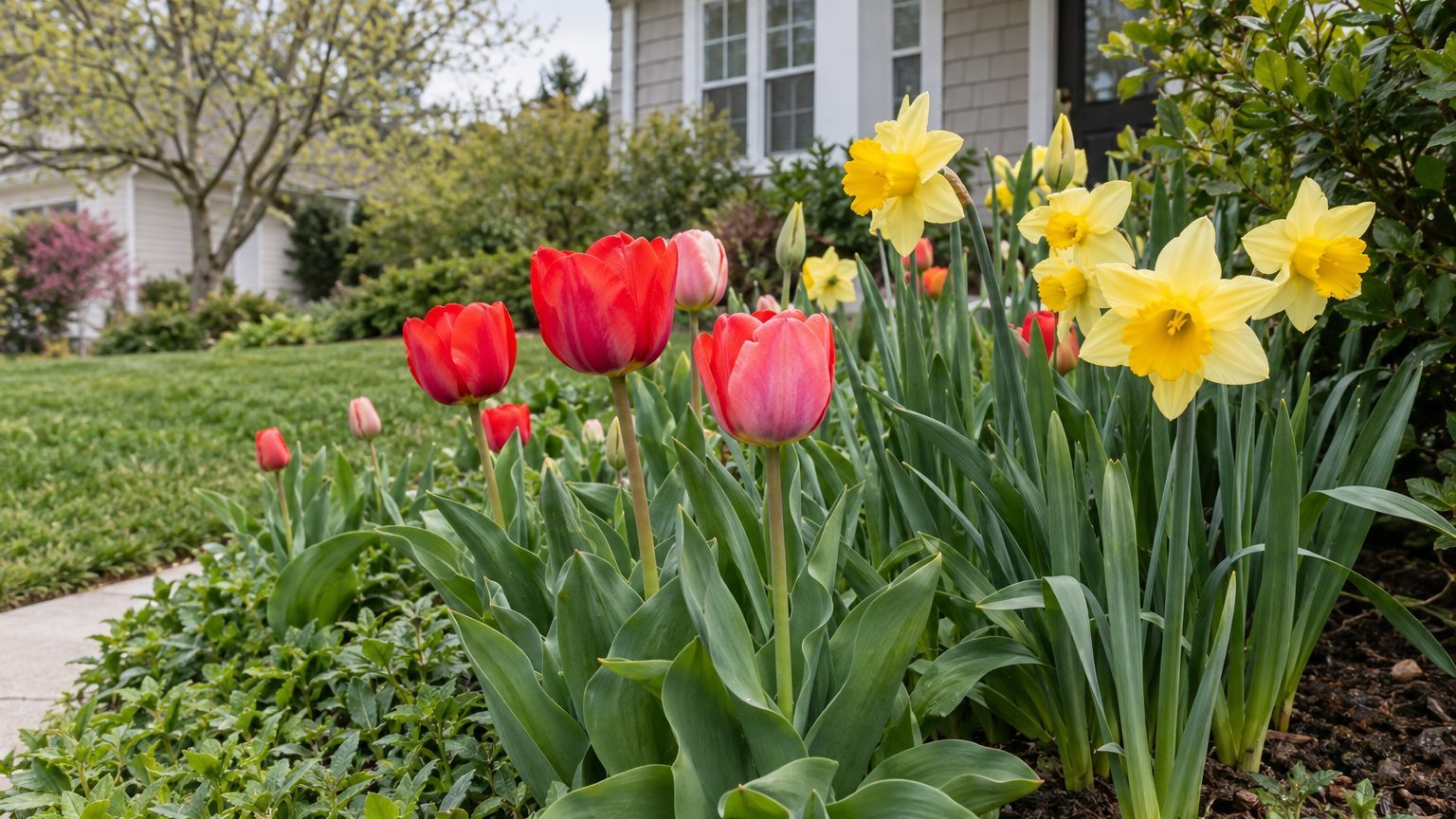
Best Spring Bulbs for California

Best Spring Bulbs for California

Bulbs wait in a bag by the door while the soil cools in fall, and California’s climate decides which of them will actually flower. Along the coast and in the south, winters are too mild for tulips to rest properly, so alliums and paperwhite-type narcissi tend to give the most reliable spring show. Colder inland gardens can grow nearly everything.

Best Spring Bulbs to Grow in California

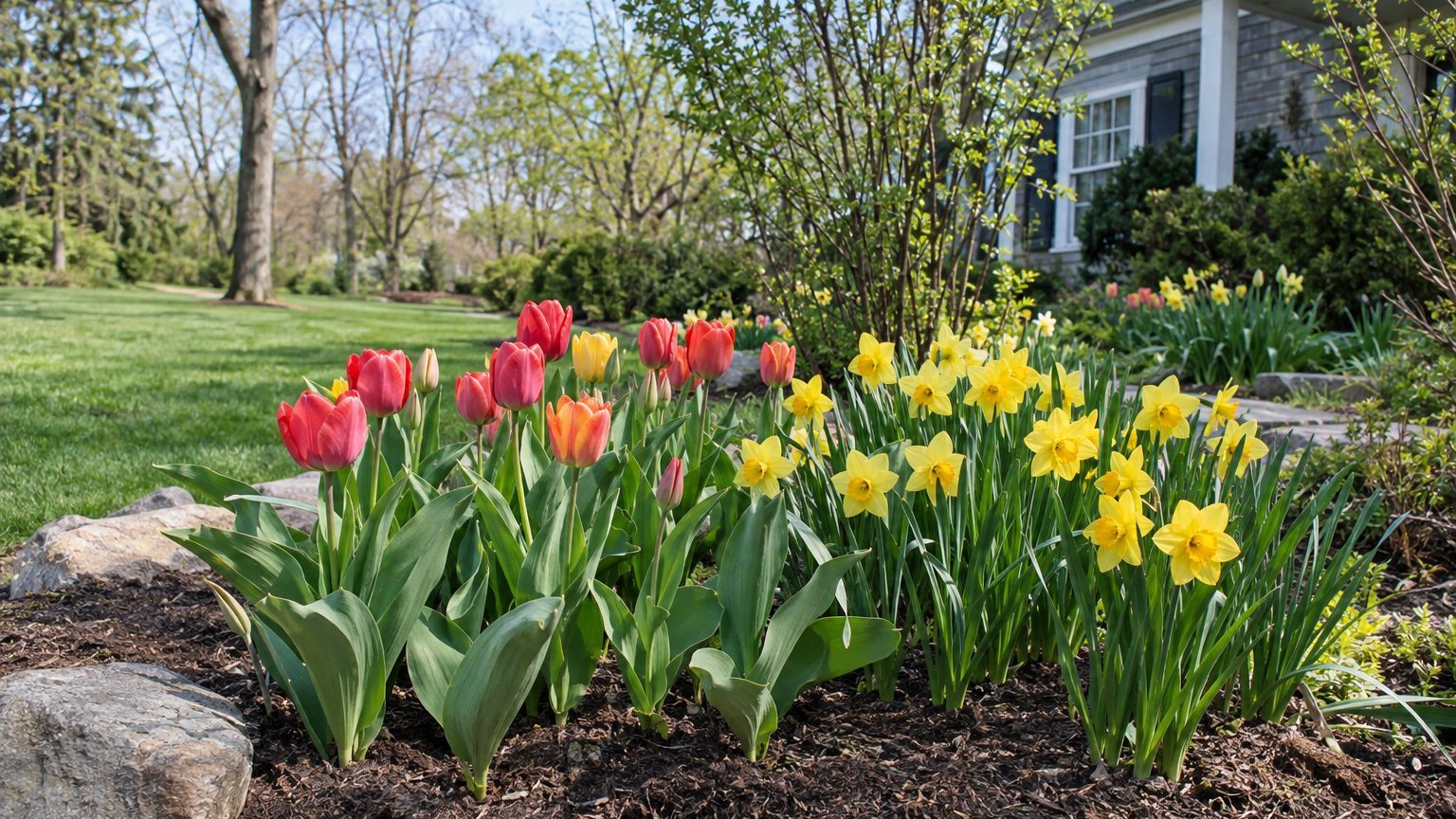
Healthy spring bulbs in bloom

Coastal and southern California is frost-free, and no freeze occurs there in an average year. That sounds like a gift, but tulips and other northern bulbs need a cold resting period, and mild winters simply do not provide it. Bulbs that skip the chill, or that tolerate warm winters, are the ones to build around.

Alliums

According to Iowa State University Extension, ornamental onions need the cold of winter to bloom, so they are not a natural fit for gardens where winter never turns cold. They also finish the bulb season rather than start it, so they carry color late into spring.

Paperwhite Narcissi

The polyanthus narcissi, paperwhite among them, do well where winters are warm. They are the right narcissus for frost-free yards. Plant them once the soil has cooled and leave them in place after bloom.

Grand Soleil d’Or

This golden polyanthus narcissus belongs with the paperwhites for mild-winter gardens. It handles the same warm conditions and flowers without the long cold spell that true daffodils depend on. Group it in clumps for the most visible color.

Chinese Sacred Lily

Another polyanthus narcissus, sold under this common name, and a reliable performer where winters stay mild. It is a useful alternative for gardeners who want a fragrant narcissus without relying on cold weather that never arrives.

Tulips

Most spring bulbs need about 12 to 16 weeks of cold to flower, and where winters are too mild to give it, tulips and hyacinths are chilled in the refrigerator before planting. In California, chilling the bulbs 4 to 6 weeks before planting ensures a better bloom.

Daffodils

Daffodils last longer than tulips and are the more dependable perennial bulb. They suit the colder parts of the state, where winter gives them their rest. In warm-winter gardens, true daffodils disappoint, and the polyanthus types above are the better choice.

How to Choose Spring Bulbs for Your California Garden

Your winter decides the list. USDA hardiness zones in California run from 5a to 11a, which means a gardener in the mountains and one on the southern coast are shopping for different plants entirely.

Match the bulb to the cold you actually get, then to how much effort you want to spend.

Your situation What suits it in California Why
Very cold winter inland or in the mountains Tulips, daffodils Winter supplies the cold resting period tulips need, and daffodils last longer as perennials
Frost-free coast or south Alliums, paperwhite and other polyanthus narcissi Winters are too warm for tulips to rest, and alliums also need the cold of winter to bloom
Little time or effort Alliums, daffodils Alliums need the cold of winter to bloom, and daffodils return more reliably than tulips
Want tulips in a mild winter Tulips and hyacinths, chilled in the refrigerator first The fridge stands in for the cold the garden cannot give

Hot, humid summers and very small spaces change the picture in ways that depend on your own yard, so a nearby garden center or county office can fill in those details.

Which Spring Bulbs Suit Different Parts of California

California covers coast, valley and mountain, and the winter cold that tulips and daffodils depend on varies a great deal between them.

  • Los Angeles and the southern coast: No freeze occurs here in an average year, so polyanthus narcissi are dependable choices, but alliums need the cold of winter to bloom, and tulips need refrigerator chilling.
  • Central Valley: Winters here do freeze, so tulips and daffodils get far more of the cold they need than they do on the coast.
  • Northern California: Freezing winters make daffodils and tulips more realistic, while alliums need the cold of winter to bloom.
  • Sierra Nevada: Winters are the hardest in the state, and cold-loving bulbs find what they need without any help from a refrigerator.

Never assume the whole state behaves like Los Angeles, because gardeners elsewhere in California deal with real freezes.

Spring Bulb Buying Mistakes to Avoid in California

Tulips Without a Chill

Tulips planted straight from the bag in a frost-free garden rarely get the rest they need, and the result is a weak bloom or none at all. Alliums need the cold of winter to bloom, so chill the bulbs in the refrigerator before planting, or choose polyanthus narcissi instead.

True Daffodils in Mild Winters

Little success can be expected with the true daffodil where winters are warm. The bulbs sprout, flower poorly and fade. In frost-free gardens, switch to paperwhite or another polyanthus narcissus, and save true daffodils for colder ground.

Planting Before the Soil Cools

Spring bulbs go in once the soil has cooled below about 60°F. Plant sooner and the bulbs may sprout in fall, wasting their energy before winter. Plant when the ground has cooled and roots have time to form.

Where to Get Spring Bulb Advice in California

Climate differs enough across California that local advice matters. The University of California Cooperative Extension and your county office can tell you how cold your own winters run.

  • University of California Cooperative Extension publishes home garden guidance, which is useful to read before you buy bulbs.
  • Your county office can tell you whether your garden gets enough winter cold, so ask before fall planting begins.

Common Questions

What Should You Do with Bulb Leaves After the Flowers Fade?

Remove only the faded flowers and leave the leaves on the plant until they turn brown. The leaves feed the bulb for next year’s bloom.

Do Animals Eat Spring Bulbs?

Voles, squirrels, rabbits and deer eat tulips and crocus. Daffodils are left alone, which makes them a safer pick in yards with wildlife.

Can You Still Plant Bulbs That Stayed in the Bag?

Yes. A bulb that is still in the bag is better planted late than stored over the winter, so plant as long as the ground can be dug.

When Do Tulips and Daffodils Bloom in California?

When Do Tulips and Daffodils Bloom in California?

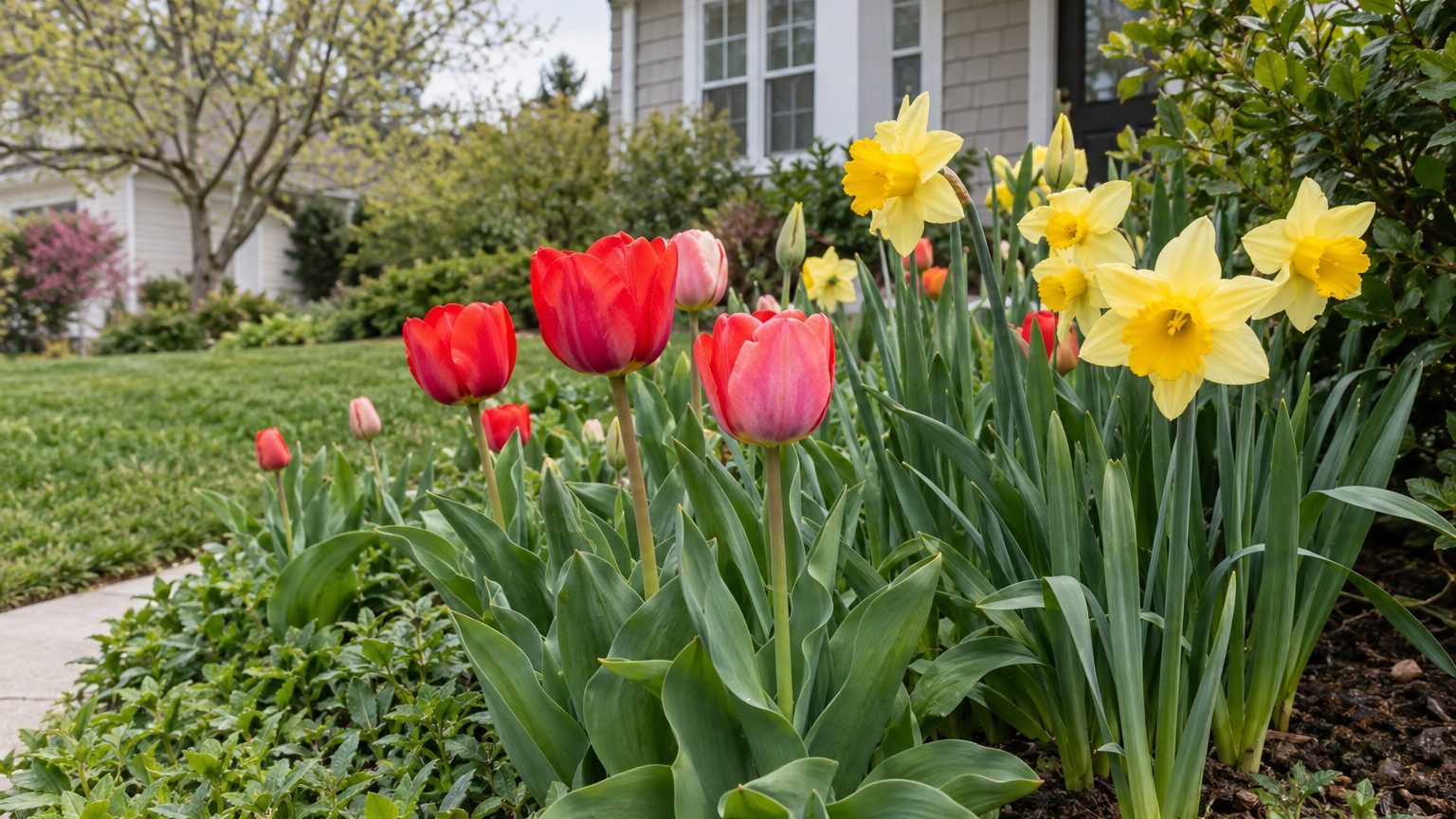
Daffodil leaves pushing through mulch and tulip buds fattening on their stems are a familiar spring sight in some California yards. In others, the bulbs never bloom well at all. Where you garden decides the outcome, because winter cold, not frost dates, is what these bulbs wait for.

When Do Tulips and Daffodils Bloom in California?

When Do Tulips and Daffodils Bloom in California?

Bloom time in California follows the warming of spring, and no set months apply to the whole state. Coastal and southern California is frost-free, while Northern California, the Central Valley and the Sierra do freeze, so a bulb in San Diego and one near Lake Tahoe live very different winters.

Bulb When it blooms in California What sets the timing
Crocus and daffodils Follows the first warm spells of spring Daffodils need no pre-chilling in the way tulips do, and animals leave them alone
Tulips Follows the warming of spring after a cold winter rest Cold dormancy, about 12 to 16 weeks for most spring bulbs
Hyacinths Follows the warming of spring after a cold winter rest Chilling in the refrigerator where winters are mild
Alliums Late in the spring bulb season Winter chill required

Tulips and hyacinths ask the most of a mild climate. Where winters fall short of the cold they need, chill the bulbs in the refrigerator before planting, and in California, chilling them 4 to 6 weeks before planting gives a better bloom. Plant once the soil has cooled below about 60°F, which keeps the bulbs from sprouting too early in fall.

How to Tell Your Bulbs Are About to Bloom

Bulbs announce themselves in stages, and each stage tells you something about what to do next.

  • Green tips poking through the soil mean the bulb has rooted and is waking up, so keep mulch loose and leave the shoots alone.
  • Leaves that stretch and widen show the plant is gathering energy, which means any pulling or tidying will cost you flowers next year.
  • A bud rising between the leaves tells you the flower is on its way, so this is when to check that the soil is not bone dry.
  • A bud that begins to show color means bloom is close, and it is a good moment to cut a few stems for a vase if you like.
  • Chewed or missing shoots point to voles, squirrels, rabbits or deer, which go after tulips and crocus but pass daffodils by.

Shoots that are slow to appear in a warm yard often mean the bulbs never got enough cold.

What to Do After Tulips and Daffodils Bloom in California

Remove only the faded flowers and leave the leaves in place. Green leaves feed the bulb for next year’s bloom, so cutting or tying them while they are green costs you flowers. Wait until the foliage turns brown before you clear it.

Tulips are often short-lived in the garden, while daffodils last longer and are the more reliable perennial bulb. In a mild California yard, that difference grows, since tulips that never get their full winter rest tend to fade quickly. Many gardeners there treat tulips as a seasonal planting and count on daffodils to come back.

A bulb still sitting unplanted is better in the ground than in storage. Plant it as long as the soil can be dug, and in a mild-winter yard chill tulips and hyacinths first.

How Bloom Time Shifts Across California

California covers coast, valley and mountain climates, and bulbs respond to each one differently.

  • Southern California coast: Winters are frost-free, so tulips and hyacinths depend on refrigerator chilling before planting, and according to Iowa State University Extension, alliums need the cold of winter to bloom.
  • Central Valley: Winters freeze, which supplies more natural cold for spring bulbs, though summer heat and drought shape how long the plants last.
  • Sierra: Freezing winters give bulbs a full rest, and bloom comes later in spring than in the milder lowlands.
  • Northern California: Winters are colder than farther south, so bulbs get more of the cold they need and bloom follows the spring warm-up.

Your own yard may sit warmer or cooler than the nearest town, so watch what your bulbs do in their first year.

Where to Get Bulb Advice in California

University of California Agriculture and Natural Resources runs a statewide network of local help, and its advice is written for California conditions.

  • UC Agriculture and Natural Resources offers plant guidance for home gardeners, which is worth reading before fall planting.
  • Your county extension office can tell you how much winter cold your area really gets, so contact it before you buy bulbs.

Common Questions

Can You Grow Tulips in Southern California?

Yes, with help. Where winters are too mild, tulips are chilled in the refrigerator before planting. Expect them to be short-lived.

Do Alliums Need a Cold Period?

Yes. Alliums need the cold of winter to bloom.

Why Do Squirrels Dig Up Tulips but Not Daffodils?

Voles, squirrels, rabbits and deer eat tulips and crocus, and daffodils are left alone. Planting daffodils in the spots animals visit most is a simple way to keep spring color.

When to Plant Tulips and Daffodils in California

When to Plant Tulips and Daffodils in California

Tulip and daffodil bulbs go into the ground in autumn, and for a long while nothing shows above the soil. In California the timing depends on where you garden, because a frost-free coastal yard and a snowy Sierra one ask for different handling.

When to Plant Tulips and Daffodils in California

When to Plant Tulips and Daffodils in California

Plant in autumn, once the soil has cooled, and where winters are mild, give tulips and hyacinths a spell in the refrigerator before they go in the ground. Here is how a bulb’s year runs.

  • In early autumn, buy firm, heavy bulbs while the selection is full, and keep them somewhere cool and dry until planting.
  • In mid autumn, if your winters are mild, put tulips and hyacinths in the refrigerator, away from ripening fruit, to give them the cold they will not get outdoors.
  • In late autumn, once the soil has cooled, set the bulbs in the ground with the pointed end up.
  • Right after planting, spread a layer of mulch to hold moisture and keep the soil temperature steady through winter.
  • In late winter on the coast and in early spring where it freezes, the first green tips break through.

Frost shapes the picture. Along the coast and in the south, an average year brings no freeze at all, and the frost-free season runs 365 days at Los Angeles. Northern California, the Central Valley and the Sierra do freeze, and the state spans USDA zones 5a to 11a, so no single date fits everyone.

Which Spring Bulbs Do Best in California?

Daffodils are the dependable choice, because they last for years and animals leave them alone. Tulips and hyacinths flower best where winter gives real cold, so mild yards need the refrigerator trick. According to Iowa State University Extension, alliums need the cold of winter to bloom.

Most spring bulbs want about 12 to 16 weeks of cold before they bloom. A yard that never freezes cannot supply that on its own.

Bulb type How it does in California Why
Daffodils Reliable, returns for years Longer lived than tulips, and left alone by voles, squirrels, rabbits and deer
Tulips Best where winters are cold, short-lived in the garden They need a cool dormancy, so mild yards chill them first
Hyacinths Good with pre-chilling in mild areas They need cold like tulips and get it from the refrigerator
Alliums Needs winter cold to bloom They need the cold of winter to bloom
Crocus Pretty but often eaten Voles, squirrels, rabbits and deer go after them

If animals dig through your beds, lean on daffodils and alliums and plant tulips and crocus where you can protect them.

When to Plant, Chill and Care for Spring Bulbs in California

The main jobs of the year each have a sign to watch for. Planting follows the soil temperature, chilling applies only where winters are mild, and the leaves get left alone after the flowers fade.

Task Best timing in California Why then
Plant In autumn, when the soil is below about 60°F Roots form before winter, and the bulbs do not sprout too soon
Chill Before planting, in mild-winter areas, for 4 to 6 weeks in the refrigerator Tulips and hyacinths bloom better after a cold spell, which a frost-free yard cannot provide
Leave the foliage After bloom, while the leaves are still green The leaves feed the bulb for next year, so remove only the faded flowers

The 4 to 6 weeks of chilling is the suggested time in California. Planting depth and spacing vary by bulb, so check the package. When the leaves have turned brown, they come off easily and the bed can be tidied.

How Bulb Planting Time Changes Across California

Planting time shifts with how fast the soil cools, and that varies a lot across the state.

  • Sierra Nevada: Watch for the soil to cool before planting. Winter cold supplies the chill, so tulips need no refrigerator time.
  • Central Valley: Winters freeze here, yet the soil stays warm longer than in the high country, so plant a little later than you would in the mountains.
  • Los Angeles and the southern coast: An average year brings no freeze, so the soil cools later than in the north and planting comes later too. Pre-chilling tulips and hyacinths matters here, daffodils are an easier choice, and alliums, like other spring bulbs, need the cold of winter to bloom.

Northern California falls in between, with frosty nights that help the bulbs, though coastal spots stay milder than inland ones.

Where to Get Bulb Advice in California

California’s extension service runs research and advisory programs, and local offices offer practical help for your own soil and climate. Master gardeners can diagnose problems and talk through bulb choices.

  • Visit University of California Agriculture and Natural Resources for bulb guides written for California conditions, before you shop in autumn.
  • Call your county’s cooperative extension office to ask about a soil test or a diagnosis, ideally before planting.
  • Check the local master gardener program for plant clinics, where you can bring a bulb or a photo of a problem.

Common Questions

Do Tulips Come Back Every Year in California?

Often they do not. Tulips are short-lived in many gardens, so plan to replace them, or plant daffodils, which last for years.

Can You Plant Spring Bulbs in Spring?

Spring-flowering bulbs need their cold period to bloom, so they go in the ground in autumn. A bulb planted when the weather has already warmed has missed its chance for that year.

How Should You Water Bulbs During Drought or Water Restrictions?

Water after planting to settle the soil around the bulb, then let rainfall and local rules guide you. Because bulbs rest underground and go dormant after the leaves fade, they need very little extra water.

Best Grass Seed for California

Best Grass Seed for California

Walk a California lawn in late winter and you will see tall fescue greening up while bermudagrass sits tan and dormant beside it. These grasses live on different schedules, and the right seed depends on which schedule your yard can support. Tall fescue is the usual answer, with a few good exceptions.

Which Grass Grows Best in California?

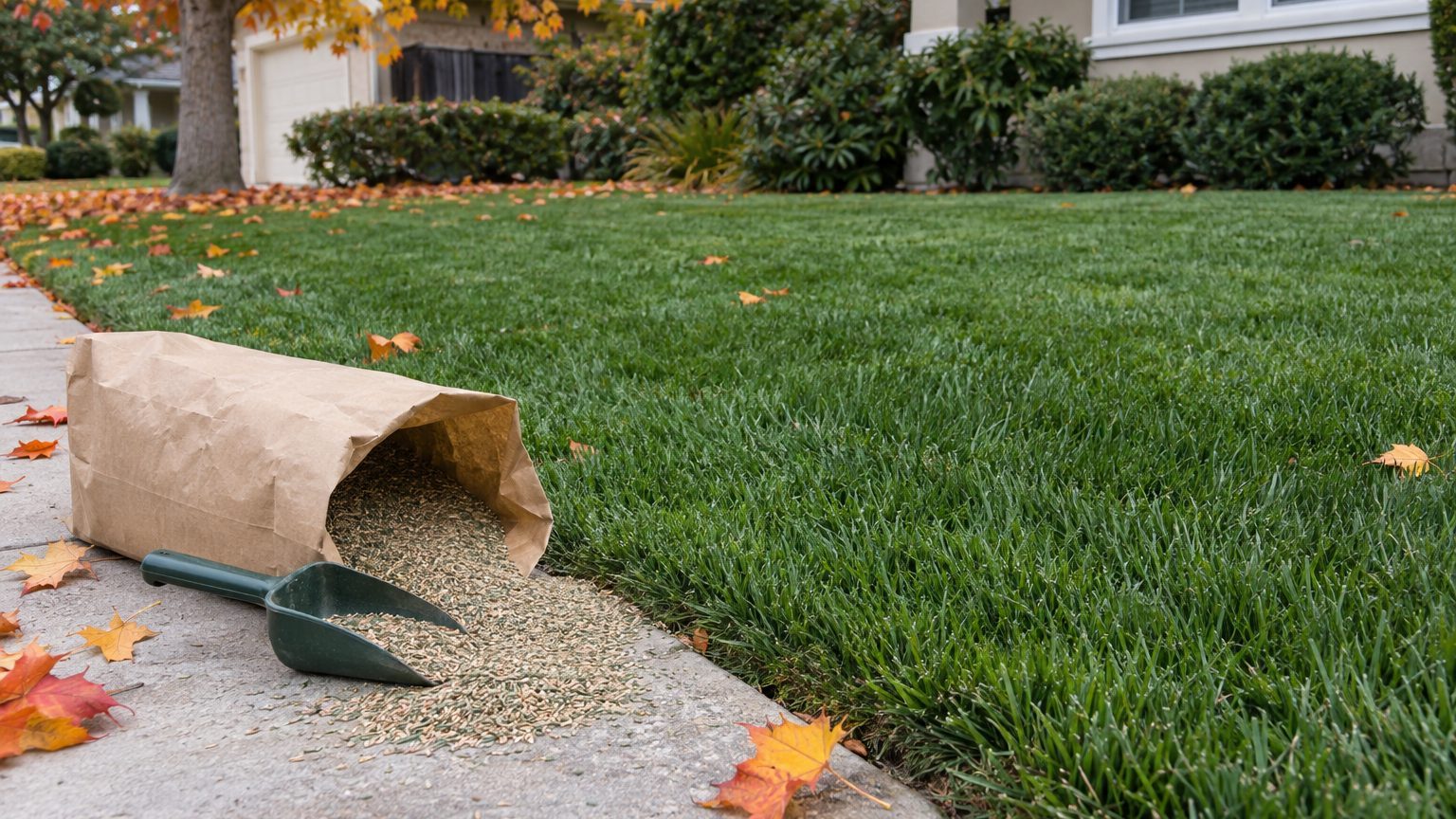
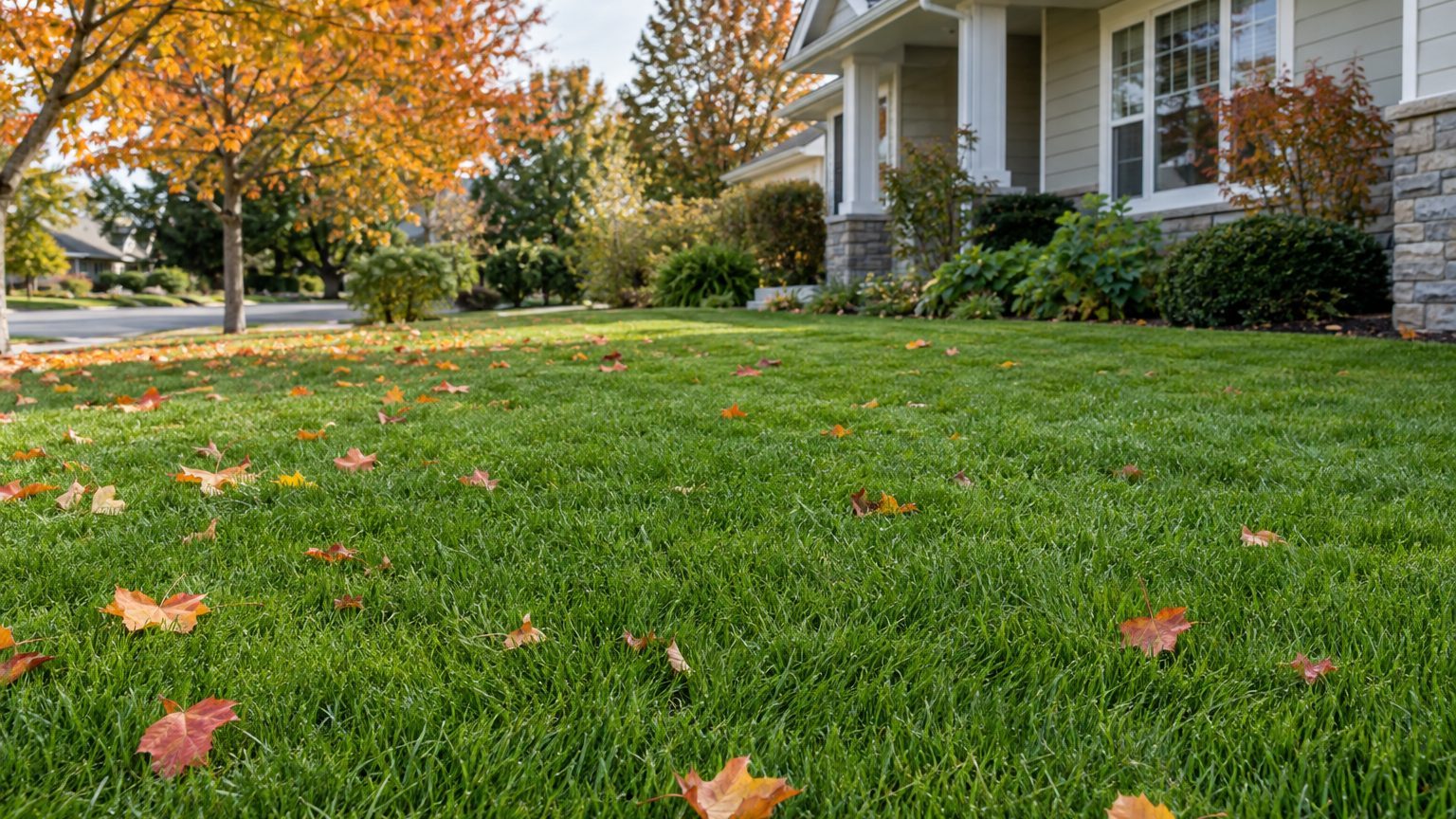
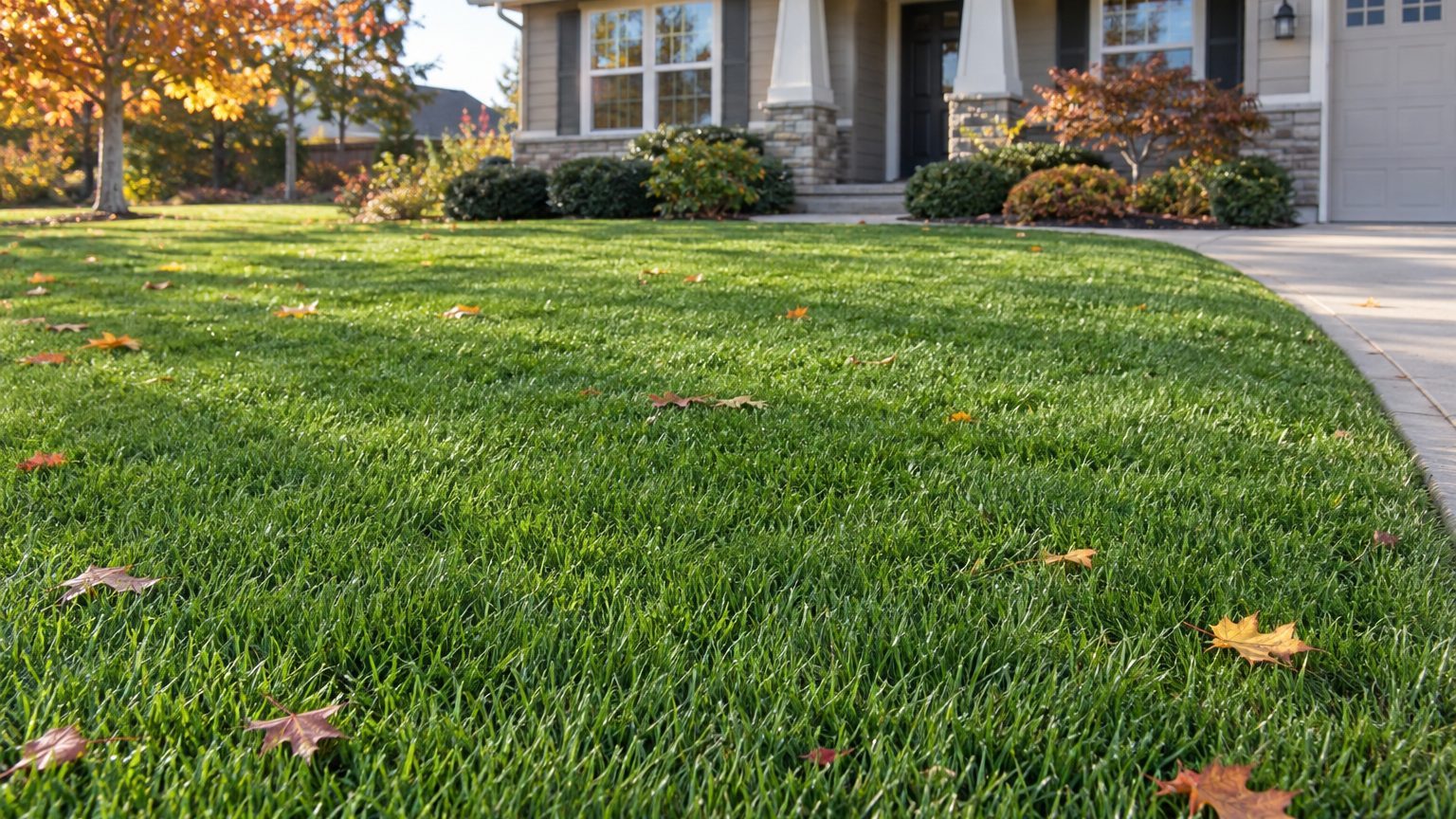
Lawn in California

Cool-season grasses suit many California lawns, while warm-season grasses fit areas where summers run hot and watering is limited. The state is mild enough that coastal and southern yards never see a freeze in an average year, so the limits here are summer heat, drought and water restrictions rather than frost.

Tall Fescue

Tall fescue is the most common California lawn, and for good reason. It stays green through mild winters and tolerates summer heat.

Seed it in September or October, when warm soil and cooler air let it root before winter. March and April also work if you miss the fall.

Bermudagrass

Bermudagrass loves heat, handles drought well and recovers fast from foot traffic. It turns tan in the cooler months, which some homeowners dislike.

It wants warm soil, so seed in April or May rather than fall.

Zoysiagrass

Zoysiagrass forms a dense, soft turf that crowds out weeds once established. It grows slowly, so patience is part of the deal.

Like bermudagrass, it goes in during April or May, when the soil has warmed.

Kentucky Bluegrass and Perennial Ryegrass

These cool-season grasses suit the cooler north and the coast. Away from those areas, summer heat and water demand make them harder to keep looking good.

Seed them in September or October, the same window as tall fescue.

St. Augustinegrass

St. Augustinegrass does well along the coastal south, but it is never sold as seed. You plant it as sod, so it belongs in a sod conversation rather than a seed aisle.

Kikuyugrass

Kikuyugrass is common in California, though more often as a weed than a choice. It spreads aggressively into neighboring lawns and beds, so it is not a grass to buy on purpose.

How to Choose Grass Seed for a California Yard

Start with how much water the yard can realistically get and how much sun it receives. Those answers quickly narrow the field.

Then think about traffic and mowing. A lawn that takes kids and dogs needs a different grass than one that is mostly for looking at.

Your yard Grass Why
Full sun, regular watering Tall fescue Common across the state and stays green through winter
Hot, dry, heavy traffic Bermudagrass Heat and drought tolerant, recovers quickly
Full sun, low mowing effort Zoysiagrass Dense turf that grows slowly
Cool coast or north Kentucky bluegrass or perennial ryegrass Suited to cooler conditions
Coastal south, sod acceptable St. Augustinegrass Does well there but is not sold as seed

Shade is where fescue earns its place among the cool-season choices, since bermudagrass wants full sun. If you want to mow less, a slow grower like zoysiagrass fits, though it takes longer to fill in. Whatever you pick, mowing runs year-round for cool-season lawns and March through November for bermudagrass and zoysiagrass.

Which Grasses Grow Where in California

California covers coast, valley, desert and mountains, so the best seed shifts with where you live.

  • Coastal south: St. Augustinegrass does well here as sod, and no freeze in an average year means warm-season grasses stay active longer.
  • Cooler north and coast: Kentucky bluegrass and perennial ryegrass handle the milder summers better than they would inland.
  • Central Valley: Summers are hot and winters do freeze, so tall fescue and bermudagrass are the practical choices.
  • Sierra: Freezes are a real factor in the mountains, so cool-season grasses suit these yards better than warm-season ones.

Never assume Los Angeles conditions apply across the state, since the Plant Hardiness Zone system runs from 5a to 11a here.

Grass Seed Mistakes to Avoid in California

Seeding Cool-Season Grass in Summer

Fescue or ryegrass seed spread in midsummer struggles against heat and dries out between waterings. Wait for September or October, and keep March and April as your fallback.

Burying the Seed Too Deep

Cover seed with no more than 0.25 inch of soil, and press it down so it touches the ground firmly. Seed buried deeper often never breaks the surface.

Choosing a Grass the Yard Cannot Water

A thirsty grass in a yard under water restrictions fades quickly. Match the species to the water you will really have, and favor bermudagrass or zoysiagrass where summers are hot and dry. Water regularly from April through October while the new lawn establishes.

Where to Get Lawn Advice in California

Local conditions vary enough that a quick check with someone nearby can save a season of reseeding.

Common Questions

Can You Seed Bermudagrass in the Fall in California?

Bermudagrass needs warm soil to germinate, so April and May are the months to seed it. Fall seeding suits cool-season grasses instead.

When Should You Fertilize a New Lawn in California?

Fertilizing works best in March, May, September and October for cool-season grasses. Warm-season lawns take it in May, June, September and October, and summer heat is the time to hold back.

Is St. Augustinegrass Available as Seed?

No, it is never sold as seed. You plant it as sod, which is why it appears for coastal southern yards rather than in seed mixes.

Lawn Problems and Solutions in California

Lawn Problems and Solutions in California

Brown rings, spongy turf and thinning grass can show up across California, often because of heat, water or the grass planted there. Most problems follow the season and the region. Once you know what a patch looks like and when it appears, the fix is usually a change in how you mow, water or feed.

Lawn Pests and Diseases in California

Annual Bluegrass

This light-green grass sprouts in thin cool-season lawns in fall and winter, then shows pale seed heads in spring. It dies back in summer heat and leaves bare holes. A dense, taller lawn crowds it out, and pulling young clumps by hand works on small areas.

Dollar Spot

Small, straw-colored spots appear in spring and again in fall, often on lawns that are thin or underfed. Look closely at the blades for tan bands with darker edges. Feeding at the right times and watering deeply in the morning, so grass dries quickly, calms it down.

Crabgrass

Crabgrass — Lawn Problems and Solutions in California

Coarse, pale clumps spread flat from a center point once the soil warms in late spring. They die in the first cold snap inland, but the seed stays behind. A thick lawn blocks seedlings, and pulling plants before they set seed keeps the next year’s crop small.

White Grubs

Irregular brown patches that lift like loose carpet point to grubs chewing the roots in summer. Pull back a flap of turf and look for plump, C-shaped larvae in the soil. Skunks and crows tearing up the lawn are another sign. Water the lawn through the damage so surviving roots recover.

Brown Patch

Circular brown areas with a darker edge show up during humid summer weather, mostly on tall fescue and ryegrass. Lawns that stay wet overnight suffer most. Water early in the day, skip heavy summer feeding, and keep the lawn at the recommended mowing height.

Thatch Buildup

Thatch is the tangle of stems and roots between green blades and soil, and bermudagrass makes plenty of it. A layer up to 1/2 inch is healthy. Above that, dethatch or core aerate, because the layer sheds water and shelters pests and disease.

How to Tell Which Lawn Problem You Have

A symptom by itself is rarely enough. Pair what the patch looks like with when it appeared and whether the spot sits in sun or shade. A quick tug on the grass and a look at the soil underneath can narrow the possibilities.

What you see Where or when Likely problem
Turf lifts like a rug, roots missing Summer, sunny and irrigated areas White grubs
Small straw-colored spots Spring and fall, thin lawn Dollar spot
Brown ring with a darker edge Humid summer, wet overnight Brown patch
Coarse pale clumps spreading outward Late spring onward, warm soil Crabgrass
Light-green tufts with seed heads Winter and spring, then dies in heat Annual bluegrass
Spongy feel, water runs off Any season, often on bermudagrass Thatch buildup

Thin grass under trees, with moss or bare soil, is usually a shade and root-competition issue rather than a disease. Dry, crunchy patches that recover after a deep soak may be drought-stressed, but recovery alone does not rule out disease.

Where Lawn Problems Are Worst in California

California covers coastal fog, scorching valleys and snowy mountains, so the same lawn struggles in very different ways depending on where you live.

  • Central Valley: Long, hot summers stress cool-season lawns around Sacramento and Fresno, while winter freezes slow the grass for a while. Winter freezes do happen here, so grass slows down for a while.
  • Bay Area and North Coast: Cool, foggy mornings keep blades damp, which favors dollar spot and annual bluegrass. Shade from redwoods and cypress thins turf further.
  • Los Angeles and San Diego: A freeze does not occur in an average year, so crabgrass and thatch on bermudagrass are repeat offenders, along with water restrictions that tempt people to cut back irrigation too far.
  • Sierra foothills and mountain towns: Freezing winters and a short growing season slow recovery, so damage from any problem lingers into the following year.

Never assume advice written for Los Angeles fits a yard in Truckee or Redding.

Lawn Care Mistakes That Invite Problems in California

Mowing Too Short

Scalped grass has shallow roots, bakes in summer sun and leaves open soil for crabgrass seed. Mowing continues across the year in California, so set the mower higher and cut often enough that you never remove much blade at once.

Watering Shallow and Often

Short, frequent sprinkles keep the surface wet, feed brown patch and keep roots near the top. Water deeper and less often, early in the day, during the April through October season. Follow your local water district’s rules on days and hours.

Feeding in Summer Heat

Fertilizer pushes soft growth that heat then scorches. Cool-season lawns do best fed in March, May, September and October, and you should limit feeding in the hottest months. Bermuda and zoysia lawns respond in May, June, September and October.

Where to Get Lawn Advice in California

Local conditions vary so much that a nearby expert saves guesswork. Free local resources are worth a look before you buy any treatment.

  • The UC Agriculture and Natural Resources network publishes lawn guides, so check it when a patch shows up and you want to confirm the cause.
  • Your county extension office or a local gardening program can look at a sample, so contact them early in the season when the problem is still small.

Common Questions

When Should You Dethatch a Lawn in California?

Cool-season lawns take dethatching in September, and March also works. Warm-season lawns such as bermuda and zoysia do better in May or June, when they are growing fast and recover quickly.

When Should You Reseed Bare Spots?

Cool-season grasses root well when sown in September or October. If you miss that window, March and April still work. Bermuda and zoysia lawns are seeded in April or May.

Is Core Aeration Worth It on a Compacted Lawn?

Yes, when the soil is hard, water runs off and roots stay shallow. Aerate in September or October, and March is a fallback. Doing it before seeding or feeding helps both reach the roots.

California Lawn Care Schedule, Month by Month

California Lawn Care Schedule, Month by Month

Cool-season lawns across California stay green through winter, while bermuda and zoysia turn straw-colored and wait for warmth. That difference shapes every task, from the first mowing to the last feeding.

What to Do Each Month in a California Lawn

Cool-season lawns such as fescue and ryegrass blends have their big jobs in fall, with a smaller round in spring. Bermuda and zoysia run on a different clock, active from late spring through summer. Unless a row says otherwise, it speaks to both.

Month In the lawn
January Mow cool-season grass when it needs it, since it keeps growing in mild weather. Bermuda and zoysia are dormant, so leave them alone.
February Keep mowing cool-season lawns. Warm-season grass is still asleep, and winter rain usually does the watering.
March Feed cool-season lawns as growth picks up. Bermuda and zoysia wake up, so mowing starts again. Aeration, dethatching and seeding of cool-season grass also work in March if you missed fall.
April Start watering as the weather dries. Sow bermuda or zoysia seed now, and cool-season patches can still be seeded in April.
May Feed every lawn type. Dethatch bermuda and zoysia while they are growing vigorously, and keep seeding warm-season grass. Water and mow regularly.
June Warm-season lawns get their last spring feeding and dethatching. Skip fertilizer on cool-season grass, because California advice is to limit feeding in the heat of summer.
July Mow and water. Heat is the stress, so hold off on fertilizer and dethatching.
August Keep the routine steady and watch for heat-stressed patches. Nothing needs feeding or renovating yet.
September The main renovation month for cool-season lawns: aerate, dethatch, seed and feed. Warm-season lawns get a feeding too.
October If you missed September, aeration, seeding and feeding all still work now. This is the last month of regular watering.
November Make the final cuts on bermuda and zoysia as they slow down. Rain begins to cover the watering.
December Rest. Warm-season grass is dormant, and cool-season grass needs only an occasional trim.

Mowing runs year-round, and it pays to keep it going so cool-season lawns never get shaggy through winter.

When Does the Lawn Season Start and End in California?

Grass wakes up when the soil warms, not on a frost date. Seed germinates once soil sits at 65 to 70 °F and rising, which is why bermuda and zoysia seed goes down in April and May while cool-season seed goes down in fall.

Frost timing matters for young seedlings and varies across the state. In Los Angeles no freeze occurs in an average year; along the coast and in the south, the main limits are heat, drought and water restrictions. There the limits are heat, drought and water restrictions.

Northern California, the Central Valley and the Sierra do freeze, and the Plant Hardiness Zone system spans 5a to 11a across the state. In those places a fresh seeding wants time to root before the coldest nights, which is why fall seeding lands in September and October.

How the Lawn Calendar Shifts Across California

The months above hold as a statewide guide, but elevation and distance from the ocean move them in predictable directions.

  • Southern California coast: Los Angeles and San Diego have mild winters, so cool-season grass can keep growing and frost does not interrupt seeding in an average year. Heat and water limits matter more than the calendar.
  • Central Valley: Summers are hot and winters do freeze, so cool-season lawns rely on fall renovation and warm-season lawns benefit from the long summer.
  • Sierra foothills and Lake Tahoe: Cold nights arrive sooner and linger longer, so spring work starts later and fall seeding should not slip.
  • San Francisco Bay Area: Cool coastal air slows warm-season grass, so it greens up later than it does inland.

When a task falls in a month your area has not warmed up for yet, wait for the soil rather than the date.

Lawn Care Timing Mistakes to Avoid in California

Feeding in Summer Heat

Feeding in Summer Heat — California Lawn Care Schedule, Month by Month

Fertilizer pushes soft new growth just when a cool-season lawn is already struggling in July and August heat. It burns easily and drives up water demand, which hurts where restrictions apply.

Feed cool-season grass in March, May, September and October. Give warm-season grass its feedings in May, June, September and October.

Seeding Warm-Season Grass Too Early

Bermuda and zoysia seed sown in cool soil sits and rots or germinates unevenly. The patchy stand that results is slow to fill in.

Wait for April or May, when the soil has warmed and the grass can grow straight through summer.

Dethatching at the Wrong Time

Pulling thatch from bermuda in September, or from a cool-season lawn in early summer, leaves the grass torn up when it is not growing hard enough to recover. Dethatch warm-season lawns in May and June. Cool-season lawns recover best from dethatching in September, with March as the fallback.

Where to Get Lawn Advice in California

California is large enough that local conditions can overrule a general schedule. Free local resources can help you confirm timing for your own yard.

  • The University of California Agriculture and Natural Resources publishes lawn guides, including seeding times and fertilization by zone, so check there before you start a renovation.
  • Your county extension office can tell you which grass suits your area and answer local questions about timing and watering rules.

Common Questions

How Can You Tell Bermuda from a Cool-Season Grass?

Check the growth habit alongside the winter color. Bermuda spreads by creeping runners across the soil and turns tan in winter, while fescue and ryegrass grow in bunches or tufts and stay green through the cool months. A lawn with creeping runners and tan winter color is a warm-season grass.

Is Dormant Grass Dead?

Not necessarily. A lawn that is evenly straw-colored in winter and has runners that are still firm when you pull them is usually just dormant. Dead grass tends to come in uneven patches and pulls up easily with no resistance. Warm-season lawns normally green up again in spring.

Should You Aerate Before Seeding?

Yes, when you are seeding a cool-season lawn in September or October. Aerating first opens the soil so seed makes direct contact and roots more easily. Do both in the same stretch of fall, and keep the seedbed watered afterward.

California Lawn Care: What to Do and When

California Lawn Care: What to Do and When

A lawn in California can be green in January along the coast and frozen stiff in the Sierra on the same morning. Grass here follows the sun, the soil and the water you give it, far more than any frost date. Knowing which part of the year your lawn is working, and which part it is simply surviving, tells you what to do and when.

Frost Dates and Growing Season in California

California Lawn Care: What to Do and When

Along the coast and across the south, a freeze does not occur in an average year, so there is no frost date to plan around. Los Angeles is the clear example, with a frost-free season that runs all 365 days. Northern California, the Central Valley and the Sierra do freeze, and a young seedling there is far more fragile than one on the coast. The USDA hardiness system spans zones 5a to 11a across the state, so your own zone matters more than any statewide number.

  • In late winter and early spring, cool-season lawns such as tall fescue are already green and growing along the coast, and inland lawns wake up as nights lose their frost.
  • In March, cool-season lawns can take a feeding. If you missed fall, March also works for seeding or aeration. A warm-season lawn is only beginning to stir.
  • In April and May, bermudagrass and zoysiagrass seed goes down as the soil warms, and watering may become necessary as conditions dry.
  • Through summer, from June to August, the job is steady watering and mowing, and feeding is limited because the heat stresses the grass.
  • In September and October, milder conditions make this the main window to seed, aerate and feed a cool-season lawn.
  • From November to February, growth slows or stops, warm-season grass turns tan and dormant, and cool-season lawns need only occasional mowing.

Where frost does arrive, it marks the risk to tender new grass, while the actual growth of the lawn follows soil warmth and the type of grass you have.

Cool-Season or Warm-Season Grass in California?

Both can work, and the choice follows where you live. Cool-season grasses suit the cooler north and the coast, and tall fescue is the most common lawn across the state. Warm-season grasses handle the long, hot summers of the inland valleys and the south.

Heat and drought are the deciding factors for most homeowners. A grass that stays green only with heavy summer watering becomes harder to justify when water is restricted.

Grass How it does in California Why
Tall fescue The most common lawn grass statewide Cool-season grass that stays green through much of the year
Bermudagrass Thrives in hot inland and southern yards Warm-season grass that grows hard in summer and goes dormant in winter
Zoysiagrass Suited to warm areas Warm-season grass, seeded in spring like bermudagrass
St. Augustinegrass Found on the coastal south Warm-season grass, installed as sod
Kentucky bluegrass Better in the cooler north and along the coast Cool-season grass that prefers mild temperatures
Perennial ryegrass Better in the cooler north and along the coast Cool-season grass that establishes quickly

Kikuyugrass is common across the state, though it often shows up as a weed rather than something anyone planted. The variety-by-variety seed choices live on the state’s grass seed page.

When to Seed, Fertilize and Aerate a Lawn in California

The main work for a cool-season lawn falls in autumn, and some tasks can also be done in spring. Warm-season lawns follow a different rhythm and do their work in late spring, when the soil is warm enough to push growth.

Limit feeding during periods of high summer heat, when the grass is under stress.

Task Best months in California Why then
Seeding, cool-season lawns September and October are the best months, but if you miss them, March and April also work. Mild soil and cooler air let seedlings root without heat stress
Seeding, warm-season lawns (bermuda, zoysia) April, May Seed needs warming soil to sprout
Fertilizing, cool-season lawns March, May, September, October Feeds the grass when it is actively growing
Fertilizing, warm-season lawns May, June, September, October Follows the grass as it grows in warm months
Core aeration September and October are the best months, but if you miss them, March also works. Opens compacted soil while the grass can recover quickly
Watering April through October Covers the warm, dry stretch when the lawn needs it most

Local water rules vary by city and district, so check yours before you set the sprinklers for the warm months.

Lawn Problems to Watch for in California

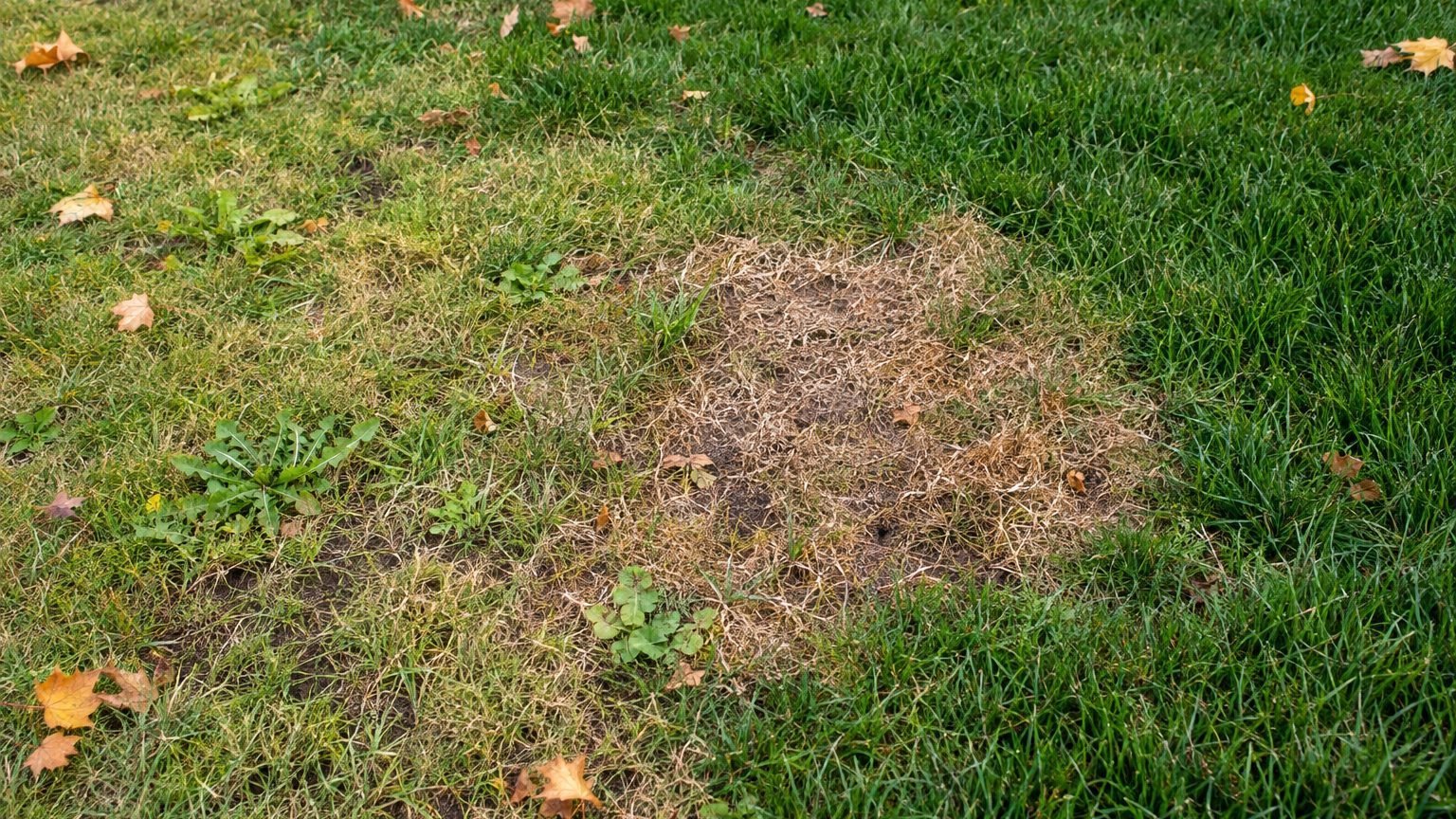
Brown Patches in Summer Heat

Brown Patches in Summer Heat — California Lawn Care: What to Do and When

Straw-colored patches in July and August can point to drought or heat stress, though disease and uneven irrigation can look similar. A cool-season lawn such as tall fescue struggles through long dry summers, especially where soil is thin or compacted.

Water deeply and regularly through the dry months, and aerate in September or October so water soaks in instead of running off. If restrictions limit your water, a warm-season grass may suit the yard better over time.

Kikuyugrass Creeping In

Kikuyugrass Creeping In — California Lawn Care: What to Do and When

Thick, coarse runners that spread across the edges of a lawn and push into beds are often kikuyugrass. It thrives in California’s mild climate and can crowd out the grass you planted.

Pull the runners early, before they root deeply along the edges, and keep your lawn dense, since thin turf gives the invader room to take hold.

Frost-Burned Grass Inland

In the Central Valley, the northern part of the state and the Sierra, a hard freeze can leave leaf tips browned and tender new seedlings dead. This is a different story from the frost-free coast, where it rarely happens.

Seed early enough in autumn that grass is well rooted before winter cold arrives, and avoid walking on frozen turf, which breaks the blades.

How Lawn Care Dates Change Across California

The state is long and varied, so the seasons shift from one region to the next. Altitude, distance from the ocean and latitude all move the calendar earlier or later.

  • Southern California coast: Winters are mild and frost does not interrupt the year, so lawns here stay active longer, and warm-season grasses such as St. Augustinegrass do well.
  • Central Valley: Summers are hot and winters can bring frost, so cool-season lawns work hardest in spring and fall while warm-season grass thrives in the heat.
  • Sierra Nevada: Altitude brings a later start in spring and an earlier end in fall, with cold winters that make autumn seeding a tighter window.
  • Bay Area and North Coast: Cool, moist air from the ocean keeps summers mild, which favors Kentucky bluegrass and perennial ryegrass and slows the stress of midsummer heat.

When in doubt, trust what your own yard does over a statewide rule of thumb.

Where to Get Lawn Advice in California

The state’s extension service, University of California Agriculture and Natural Resources, publishes guidance on lawns and works through offices in each county.

  • Use the extension service’s lawn guidance to check seeding and feeding windows for your area before you buy seed or fertilizer.
  • Contact your county extension office for guidance on soil testing or a patch that keeps declining.
  • Bring a small sample of the affected turf and roots to the office, and go before the next round of feeding.

Common Questions

Can You Grow St. Augustinegrass from Seed in California?

No. St. Augustinegrass is never sold as seed, so a new lawn goes in as sod. It is a coastal south grass, and sod gives you a finished lawn rather than a long wait for coverage.

Can You Mow a Lawn Year-Round in California?

Cool-season lawns can be mowed in every month of the year, since they keep growing through mild winters. Warm-season lawns such as bermudagrass and zoysiagrass are mowed from March through November, and they rest when the grass goes dormant.

When Should You Dethatch a Lawn in California?

For a cool-season lawn, September is the best month, but March also works if you miss it. Bermudagrass and zoysiagrass are dethatched in May and June, when they are growing strongly enough to recover quickly.

Hydrangea Pests and Diseases in California

Hydrangea Pests and Diseases in California

California hydrangea trouble breaks along a line most gardeners never think to draw: coastal and southern yards fight heat and drought, while the Central Valley, the north and the Sierra foothills still deal with real winter freezes. Which pest or disease shows up first depends entirely on which side of that line the shrub sits.

Hydrangea pests and diseases California: The Short Answer

In Los Angeles and the frost-free stretches of coastal and southern California, NOAA climate normals show no measurable freeze in an average year, so hydrangeas here fight heat, drought and water restrictions rather than winter dieback. California’s own hardiness range still stretches from zone 5a to 11a, the widest spread of any state, which means a shrub in the Sierra foothills faces freeze pressure a coastal plant in Los Angeles never sees.

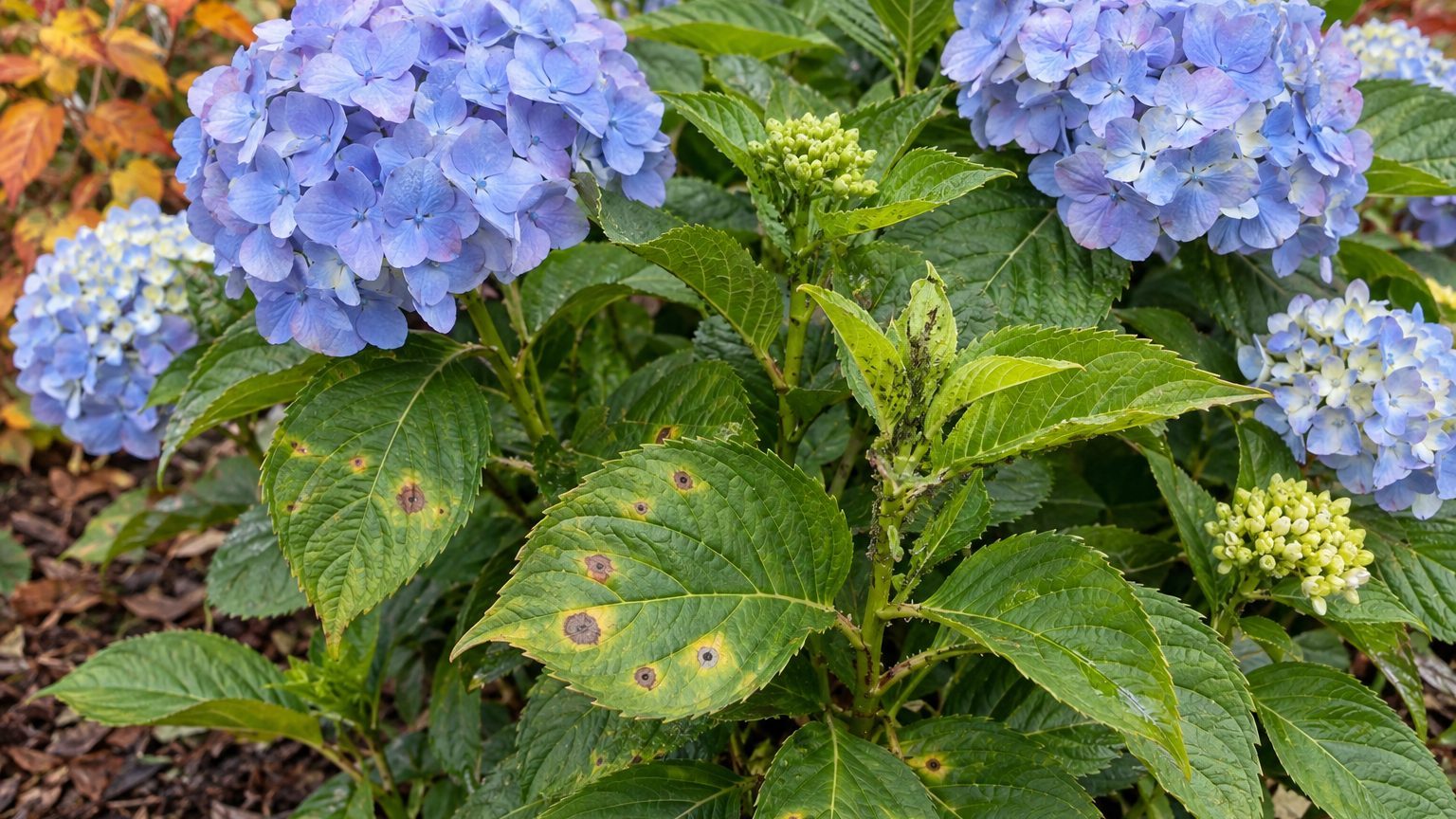
Aphids clustering on new growth

Aphids show up on tender spring growth soon after the March fertilizing window, leaving a sticky residue and curled leaves behind. A strong hose spray or insecticidal soap knocks them back before the colony spreads to nearby buds.

Powdery mildew on new leaves

Coastal fog and cool spring nights coat leaves in a white, floury film, usually right as buds set. Space plants for airflow and water the soil, not the foliage, to keep spores from moving across the bed.

Spider mites in the summer heat

Spider mites in the summer heat — Hydrangea Pests and Diseases in California

Fine webbing and stippled, bronzed leaves appear once daytime heat climbs and drought stress builds during the dry summer stretch. A forceful rinse under the leaves paired with steady deep watering breaks the cycle mites need to spread.

Leaf scorch along the western exposure

Leaf scorch along the western exposure — Hydrangea Pests and Diseases in California

Direct afternoon sun combined with water restrictions bakes leaf edges brown, especially in the Central Valley. Move containers or add partial shade, and shift deep watering to early morning to protect the roots underneath.

Root rot from summer overwatering

Root rot from summer overwatering — Hydrangea Pests and Diseases in California

Wilting despite moist soil signals root rot, common where clay holds water during compensatory summer irrigation. Let soil dry between waterings and improve drainage with a raised bed or amended planting hole.

Botrytis blight in fall fog

Botrytis blight in fall fog — Hydrangea Pests and Diseases in California

Brown, mushy blotches on petals and leaves spread when coastal fog keeps foliage damp for hours at a stretch. Remove spent blooms promptly and skip overhead watering as days shorten toward the October and November planting window.

Deer and snails after dark

Ragged, chewed leaves and slime trails point to deer browsing or snails, both active through mild California nights when other forage runs short. Fencing, copper tape and evening hand-picking keep either one from returning night after night.

How to Work Out the Dates for Your Own Yard

Working out which hydrangea problem you actually have starts with placing your yard on the state’s climate map, then matching the symptom to the month it appeared.

  1. Place your yard on the zone map: California’s USDA Plant Hardiness Zone Map runs from zone 5a to 11a, so decide first whether you garden in a freeze-prone pocket like the Sierra foothills or a frost-free spot like Los Angeles.
  2. Match the symptom to the month: aphids and mildew tend to appear near the March fertilizing window, while mites and scorch follow the July pruning window and the driest weeks of summer.
  3. Check the leaf texture: sticky residue points to aphids, a white film points to mildew, fine webbing points to mites, and crisp brown edges point to heat and drought stress instead.
  4. Review your watering log: soil that stays wet for days despite restrictions suggests root rot, while soil that dries out fast between waterings points toward mite pressure.
  5. Cross-check with your county extension: a local advisor confirms which of these is active in your zip code before you spray or treat anything.

Once the climate half of the yard and the calendar month agree, the diagnosis usually narrows to one or two candidates, and the fix listed above stops the spread before it reaches the next shrub over.

California North to South: How the Dates Shift

Pest and disease pressure shifts across California more by elevation and coastal fog than by simple latitude, and each region tends to favor a different problem from the list above.

  • North Coast and Sierra foothills (Redding, South Lake Tahoe, the Shasta area): winter freezes knock back overwintering aphids and mites, but the same cold plus wet springs favors powdery mildew and Botrytis blight.
  • Central Valley (Sacramento, Fresno, Bakersfield): summer heat well past what the coast sees drives spider mites and leaf scorch hardest, especially where irrigation lapses during restrictions.
  • Coastal strip (San Francisco, Santa Barbara, San Diego): year-round fog keeps foliage damp longer, favoring mildew and Botrytis over mites, and frost-free winters mean pests rarely fully pause.
  • Southern inland valleys and deserts (Riverside, Palm Springs, inland San Diego County): dry heat pushes mites and scorch to the front while fungal problems fade for lack of moisture.

Whichever part of the state applies, the state guide lines up the zone number with the region so the diagnosis above fits the yard, not just a statewide average.

Mistakes California Punishes

Watering on a fixed schedule through a drought order

Sticking to a normal irrigation calendar while a county water restriction is active leaves roots either parched or waterlogged once the schedule finally runs. Check soil moisture by hand before each watering and adjust between the drought and normal weeks.

Overhead watering during coastal fog season

Sprinklers that wet the foliage add to the moisture fog already leaves behind, exactly what mildew and Botrytis need to spread across a bed. Switch to soil-level drip irrigation, especially through the fall fog months near the coast.

Planting in July heat instead of the fall window

Setting new hydrangeas out during peak summer heat stresses roots before they establish, inviting scorch and rot at once. The calendar lists January, February, October and November as the planting months for good reason, so hold new stock until then.

California Extension Offices and County Contacts

The zone range above is a starting point, not a diagnosis, and county offices fill in the rest with soil tests and pest identification.

  • Your state page: the zone breakdown and calendar months for where you live.
  • Which ones hold up here: the varieties that shrug off heat, drought and coastal fog without extra spraying.
  • UC ANR: county-by-county contacts for confirming a pest or disease before treating it.

Common questions

Do hydrangeas get frost damage in California?

Only in the freezing zones, since coastal and southern California run frost-free in an average year while the Central Valley, the north and the Sierra foothills still see freezes that zones as low as 5a account for.

What is the most common hydrangea pest in California?

Aphids and spider mites lead the list statewide, though which one dominates depends on whether the yard sits in a cool coastal fog belt or a hot inland valley.

When should I stop worrying about fungal disease and start worrying about drought stress?

Once the calendar turns past the July pruning window into the driest weeks of summer, drought stress and mites typically replace mildew and Botrytis as the main concern.

Hydrangeas That Grow Well in California

Hydrangeas That Grow Well in California

In Los Angeles and most of coastal California, hydrangeas run into heat and drought long before they ever see frost. The state’s USDA hardiness range stretches from 5a to 11a, and panicle and oakleaf varieties handle that spread better than classic mophead types. Los Angeles itself never records a hard freeze, so timing here is about summer sun, not spring frost.

Hydrangeas that grow well in California: The Short Answer

USDA’s Plant Hardiness Zone Map puts California anywhere from 5a to 11a, and Los Angeles sits at the frost-free end of that range, averaging zero days at or below 32°F in an average year. That spread means the safest hydrangea choices for most California yards lean toward heat and drought tolerance rather than cold hardiness.

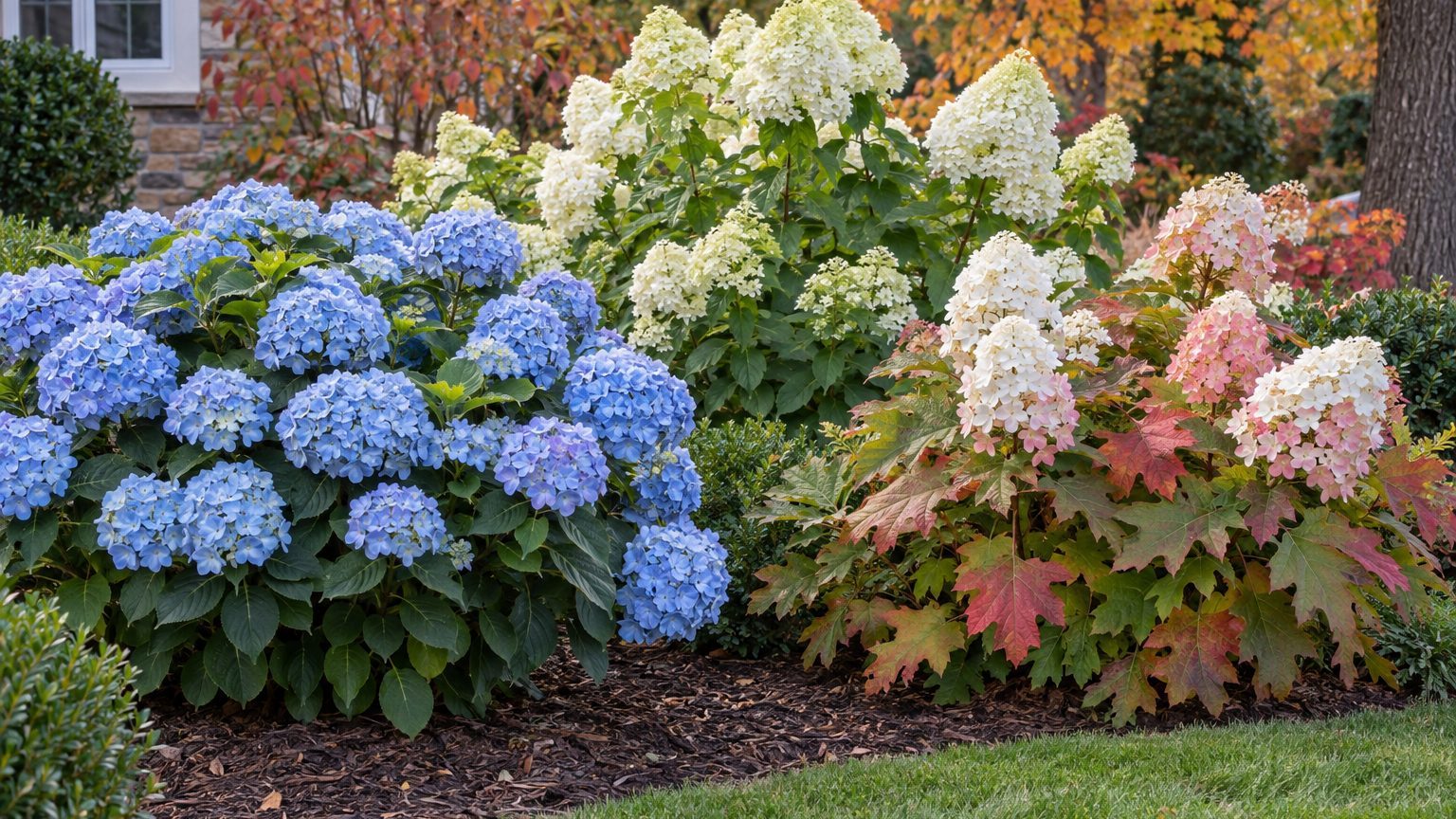
Panicle hydrangea

Panicle hydrangea — Hydrangeas That Grow Well in California

Hydrangea paniculata tolerates full sun and dry heat better than any other type sold here, which makes it the safest pick from the coast to the Central Valley. It blooms on new wood, so a hard freeze inland never costs a season’s flowers.

Oakleaf hydrangea

Oakleaf hydrangea — Hydrangeas That Grow Well in California

Hydrangea quercifolia handles part sun once its roots are established and shrugs off short dry spells better than the mophead types. Its fall foliage color is a bonus in a state where most shrubs stay green year round.

Mountain hydrangea

Mountain hydrangea — Hydrangeas That Grow Well in California

Hydrangea serrata is a smaller, tougher cousin of the classic bigleaf, with better tolerance for temperature swings between coastal fog and inland heat. It still wants afternoon shade south of the Bay Area, but it recovers from stress faster than macrophylla.

Bigleaf hydrangea

Bigleaf hydrangea — Hydrangeas That Grow Well in California

Hydrangea macrophylla is the shrub most people picture, and it grows well along the coast from San Diego to Mendocino where fog keeps afternoons cool. Inland, it needs consistent water and full afternoon shade or the flowers and leaves scorch by midsummer.

Smooth hydrangea

Smooth hydrangea — Hydrangeas That Grow Well in California

Hydrangea arborescens, sold as Annabelle types, wants steady moisture and part shade all season, conditions that are hard to hold through a dry California summer without daily attention. It survives here, but only with irrigation most other hydrangeas don’t need.

Climbing hydrangea

Climbing hydrangea — Hydrangeas That Grow Well in California

Hydrangea anomala subsp. petiolaris is the riskiest of the group in this state, since it takes years to establish and wants shade and moisture more consistent than most California soil holds onto. It rewards patience on a north-facing wall, but it punishes neglect fast.

How to Work Out the Dates for Your Own Yard

Working out real dates for your yard starts with the same frost record that sets Los Angeles apart from the rest of the state.

  1. Check your local freeze record: NOAA NCEI climate normals show zero days at or below 32°F in thirty years for Los Angeles, so a frost-safe planting date does not apply there the way it does inland.
  2. Find your USDA zone: the state runs from 5a to 11a, and a shrub rated for the warm end of that range in a coastal catalog can still freeze out in the Sierra foothills.
  3. Plant in the cool months: the calendar for this state lists January, February, October and November as planting months, avoiding the dry heat of summer establishment.
  4. Match the species to your summer: panicle hydrangea takes full sun through a Central Valley summer, while smooth hydrangea wants the kind of steady shade and moisture that dry heat rarely allows.
  5. Prune bigleaf on schedule: June and July are the pruning months here, timed after bloom so next year’s buds stay on the plant.
  6. Feed three times a season: March, May and July carry the fertilizing windows, spaced around the heat rather than the frost.

None of these steps depend on a frost date that Los Angeles simply doesn’t have. They depend on heat, water and the calendar above.

California North to South: How the Dates Shift

Elevation, fog and distance from the coast move these numbers more than latitude does inside one state this large.

  • Southern California coast (San Diego, Los Angeles, Santa Barbara): frost-free by NOAA’s record, so hydrangea care here runs on drought and shade management rather than any cold date.
  • Central Valley (Sacramento, Fresno, Bakersfield): summer heat arrives earlier and holds longer than on the coast, pushing hydrangea bloom forward and making afternoon shade close to mandatory for bigleaf types planted in full sun.
  • Sierra Nevada and mountain towns (South Lake Tahoe, Truckee, Mammoth Lakes): real winter freezes return here, so planting waits for the ground to thaw in spring rather than following the coastal calendar.
  • Bay Area and North Coast (San Francisco, Mendocino, Eureka): marine fog cools summer afternoons enough that classic bigleaf hydrangeas often need less shade than they would inland.
  • Inland deserts (Palm Springs, Palm Desert, Indio): extreme summer heat pushes most hydrangea species past their limit, so success here depends on heavy shade and irrigation most yards can’t sustain long term.

The state’s planting calendar assumes something closer to the coastal pattern, so gardeners in the mountains or the Valley should shift it toward their own frost and heat record.

Mistakes California Punishes

Full sun without afternoon shade

Bigleaf and smooth hydrangeas planted in a west-facing bed scorch by midsummer once inland heat sets in. Give them morning sun and afternoon shade, or swap in panicle hydrangea, which tolerates the exposure this state’s dry heat creates.

Watering on a fixed schedule, not the soil

A calendar reminder to water twice a week ignores how fast California soil dries between fog and heat waves. Check soil moisture with a finger before each watering, and adjust for the county water restrictions many California cities enforce.

Pruning bigleaf outside its window

Bigleaf hydrangea sets next year’s flower buds on this year’s wood, so cutting it back outside June and July removes the very buds meant to bloom. Prune right after flowering ends, inside the window the calendar above lists.

California Extension Offices and County Contacts

The 5a to 11a zone range is a starting point, not a promise. University of California Agriculture and Natural Resources runs county offices that track local soil, water rules and pest pressure closer than any statewide map.

  • UC ANR county offices: find your local office for soil tests and current water-use rules.
  • The planting calendar for California hydrangeas: month-by-month planting, feeding and pruning windows for this state.
  • What goes wrong with hydrangeas in California: the pests and problems specific to this climate, in the order they show up each season.

Call your county office before you plant if you’re not sure which zone your yard actually falls into.

Common questions

Do hydrangeas need winter protection in Los Angeles or San Diego?

No. NOAA’s climate record shows zero freeze days there in an average year, so bigleaf hydrangeas can stay in the ground year round without mulch or wrapping for cold.

Which hydrangea handles California drought best?

Panicle hydrangea and oakleaf hydrangea both tolerate short dry spells once established, needing far less supplemental water than bigleaf or smooth types through a California summer.

Can I grow hydrangeas in the Central Valley or inland deserts?

Yes, but only with afternoon shade and consistent irrigation. Panicle hydrangea handles the sun best inland, while deep desert heat pushes most species past what regular watering can offset.

The almanac, state by state. Every date on this site comes from a state’s own frost facts and its extension service’s calendar — and says where it comes from.