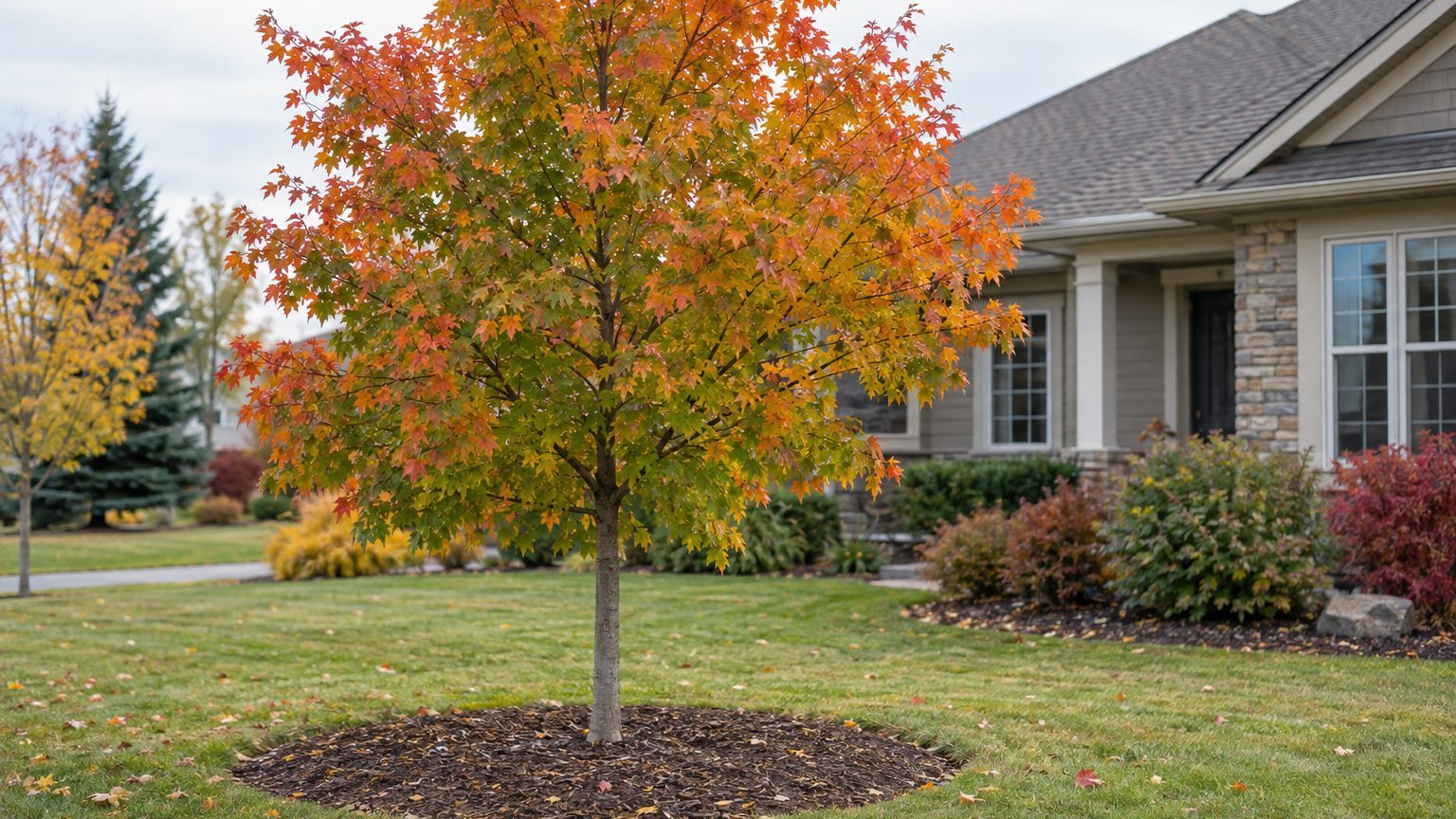
Bare branches in April, buds still tight, soil thawed enough to take a spade: that is the moment Alberta yards are ready for new trees. Spring planting gives roots a full season to settle before the first hard winter.
When Is the Best Time to Plant Trees in Alberta?

Plant shade and ornamental trees in April or May, before the buds open, with September and early October as a fallback for many hardwoods. The year runs like this:
- In April, as soon as the ground can be worked, plant container and balled-and-burlapped shade and ornamental trees while they are still dormant.
- Through May, planting continues and the roots grow into soil that warms a little more each week.
- In summer, hold off, because heat and dry soil stress new roots more than at any other time of year.
- From September into early October, fall planting also works, especially for hardwoods, as long as the roots have time to anchor.
- After planting in fall, keep watering until the ground freezes.
Container-grown trees can go in most of the year if you keep them watered, but they settle best in the dormant season. Bare-root trees must be planted while dormant, before the buds open. Some trees do better in spring than fall, including magnolia, dogwood, birch, hawthorn, poplars, cherries, plums and many oaks. Around Calgary, the last spring frost falls on average around May 21, so it comes later in some years, and the first fall frost arrives on average around September 16, sometimes earlier. Northern and upland districts run weeks behind that. Alberta sits in Canadian hardiness zone 4a for the reference city, a separate system from the USDA zones, so confirm timing locally with a garden centre or a provincial gardening group.
Alberta — the year and the numbers
- State
- Alberta
- Hardiness zones
- 4a
- Last spring frost
- May 21
- First fall frost
- September 16
- Annual rain
- 17 in
- Lawn zone
- cool-season
- Source
- Environment and Climate Change Canada — Canadian Climate Normals 1981-2010, station CALGARY INT'L A · Calgary
When to Plant Fruit Trees in Alberta
Plant fruit trees in April or May. Bare-root trees go in as early as the soil can be worked, before the buds open, because they are only safe to move while dormant.
Container-grown fruit trees follow the same spring window and settle best in the dormant season, though regular watering lets them go in later.
| Kind of fruit tree | When to plant in Alberta | Why then |
|---|---|---|
| Bare-root | April to May, before the buds open | The tree is dormant, so roots can establish before leaves demand water |
| Container | April to May | The tree settles best in the dormant season and has a full season to root |
Pruning is a separate job, done while the tree is dormant and before the buds swell, never in fall or early winter. Choose the apple variety and rootstock with the cold in mind, since rootstocks differ in how well they handle hard winters.
Best Trees to Plant in Alberta
Alberta winters are cold, so the trees that last are those proven in northern, cold-winter climates. Crabapples fit that description well, and they accept a wide range of soils as long as the ground drains.
Check space, sun and the zone before you buy, and ask a local garden centre which cultivars have proved hardy nearby.
| Tree | How it does in Alberta | Why |
|---|---|---|
| Ornamental crabapple | Suited to cold-winter yards, with disease-resistant cultivars available | Tolerates many soils if they are well drained |
| Columnar Siberian crabapple | Fits narrow spaces | Narrow, upright form, but highly susceptible to fireblight |
Columnar Siberian crabapple (Malus baccata ‘Columnaris’) suits a tight side yard, though fireblight susceptibility means you should watch it closely. For crabapples in general, look for cultivars sold as disease resistant.
When to Plant, Water and Prune Trees in Alberta
The yard year for trees starts with pruning in late winter, moves to planting in spring, and ends with watering before the ground freezes.
| Task | Best timing in Alberta | Why then |
|---|---|---|
| Plant shade and ornamental trees | April to May, or September to early October | Dormant or cooling soil lets roots settle before stress |
| Plant fruit trees | April to May | Bare-root trees must go in before the buds open |
| Water a young tree | Regularly after planting, and in fall until the ground freezes | New roots dry out quickly, and frozen soil cannot be watered |
| Prune fruit trees | March to April, while dormant | After the coldest weather and before bud break |
Pruning in fall or early winter invites new growth that may not harden before the cold. Peaches are pruned last, closest to bloom, because their flower buds are easily hurt by cold, while apples come first. Oaks are not pruned from March through October, to limit the spread of oak wilt.
Where to Get Tree Advice in Alberta
Alberta has no county extension offices. The province’s agriculture ministry, Alberta Agriculture and Irrigation, is the place to start for questions about species, soil and timing.
- Provincial agriculture staff can point you to suitable trees and local growing conditions, so ask before you order.
- A local garden centre or garden society knows which trees have held up in your district, and spring visits help before planting.
- A soil test before you dig tells you what the ground holds, so book it in winter and plant in April.
Common Questions
Can You Plant a Tree in Summer in Alberta?
A container tree can go in if you water it faithfully, but summer is hard on new roots. Waiting for spring or early fall gives a better start.
Should You Remove the Burlap from a Balled-and-Burlapped Tree?
Yes. Remove wire baskets and loosen or cut away burlap around the top of the root ball so roots can spread. Keep the root flare at the soil surface and keep mulch back from the trunk.
Is It Too Late to Plant a Tree in October?
Early October still works for many hardwoods when the ground can be worked. If the soil is frozen or the tree has no time to root, wait until spring.