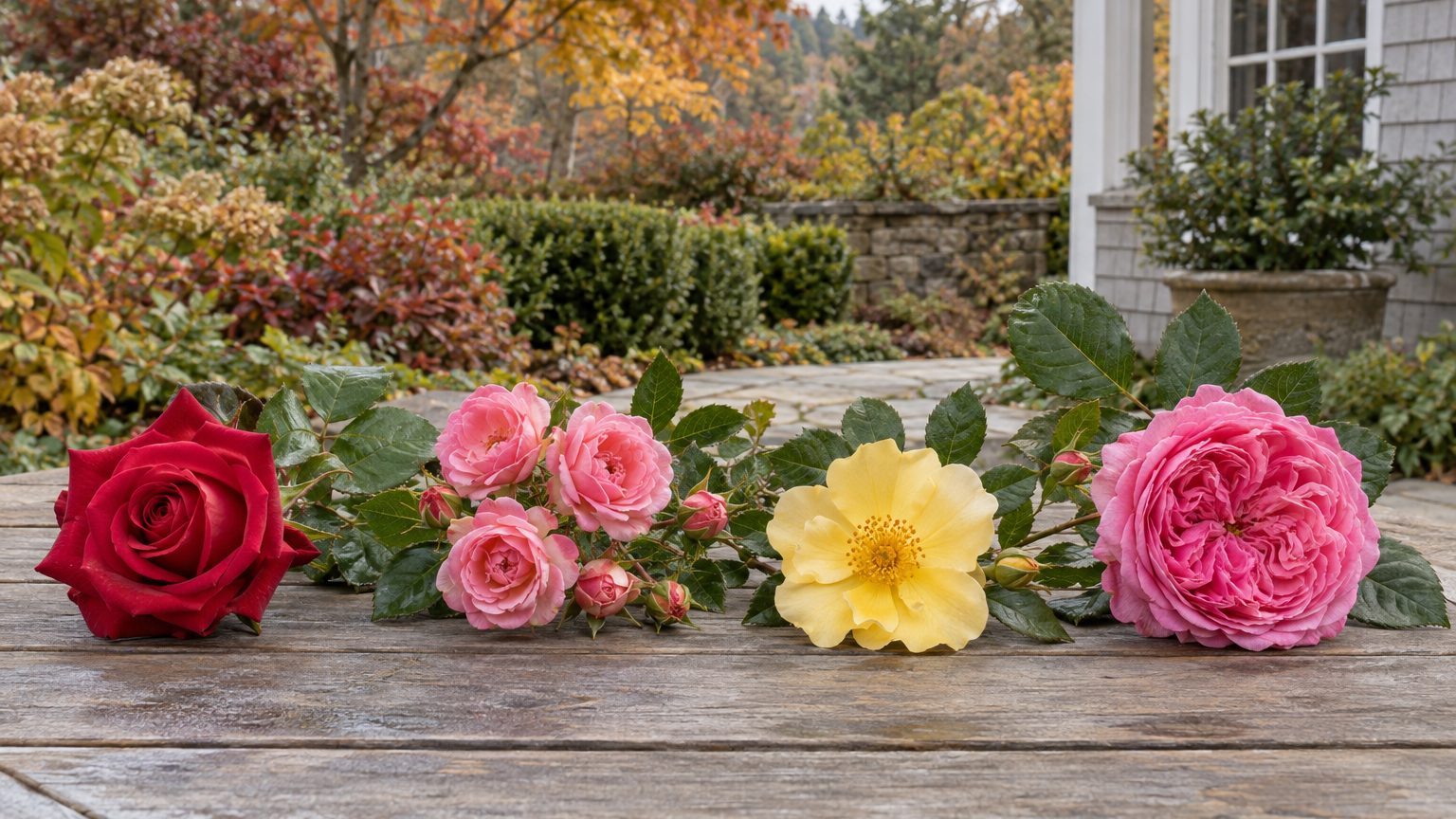
Black spot shows up on the lower leaves of a rose by midsummer, and in South Carolina’s humid weather it often decides which plants are worth the bed space. The roses that last here are mostly shrub roses, rugosas and old garden types, along with a few hybrid teas bred to shrug off leaf disease. Choosing well comes down to disease, more than cold.
Best Roses to Grow in South Carolina

Roses that stay healthy through a warm, damp growing season suit South Carolina best: shrub roses, rugosas, albas, old garden roses, and a short list of disease-resistant hybrid teas, floribundas and grandifloras. Winters here fall in USDA hardiness zones 7a to 9a, with differences from one part of the state to another, so humid summer leaf disease is the real test of a variety.
Shrub Roses
In South Carolina, extension guidance says shrub type roses bloom beautifully with few chemical controls needed. That makes them the easy path for anyone who would rather not spray. Plant them where air moves freely and let them grow into their natural shape.
Rugosa Roses
Rugosas are listed as resistant to black spot, powdery mildew and cercospora leaf spot. Varieties named in South Carolina extension material include ‘Blanc Double de Coubert’, ‘Fru Dagmar Hastrup’, ‘Rugosa Alba’ and ‘Topaz Jewel’.
Alba Rose
‘Alba Semi-Plena’ appears on the same list of roses resistant to black spot, powdery mildew and cercospora leaf spot. It is a good fit for a back border or an informal hedge, where you want healthy foliage without a spray schedule.
Old Garden Roses
Old roses do not need the hard pruning that many modern roses get, and hard cuts can ruin their graceful shape and sharply reduce flowering. Most flower once a year on last year’s wood, so any trimming comes right after they bloom, never in early spring.
Disease-Resistant Hybrid Teas, Floribundas and Grandifloras
If you love the classic bud form, a few modern roses are listed as black spot resistant in South Carolina: the hybrid tea ‘Pride N Joy’, the floribunda ‘Sexy Rexy’ and the grandiflora ‘Prima Donna’. Susceptible hybrid teas need an effective spray program in place before the growing season begins.
South Carolina — the year and the numbers
- State
- South Carolina
- USDA zones
- 7a-9a
- Last spring frost
- February 28 to March 17
- First fall frost
- November 20 to December 5
- Annual rain
- 53 in
- Lawn zone
- warm-season
- Source
- NOAA NCEI 1991-2020 Climate Normals, 32F freeze probabilities · Charleston
How to Choose a Rose for a South Carolina Garden
Start with how much time you want to spend on leaf disease, since that sets your list more than any other factor. Then think about pruning habits. Repeat-blooming hybrid teas and floribundas need annual pruning, while old roses should be trimmed lightly after they bloom.
Feeding is the same for most of them: give roses a monthly feeding from March through September.
| Your situation | What suits it in South Carolina | Why |
|---|---|---|
| Humid summer and black spot | Rugosa roses or ‘Alba Semi-Plena’ | Listed as resistant to black spot, powdery mildew and cercospora leaf spot |
| Little time for spraying | Shrub roses | Bloom beautifully with few chemical controls needed |
| Love for hybrid teas | ‘Pride N Joy’, plus a spray program started early | Resistant to black spot, while susceptible types need spraying before the season begins |
| Floribunda or grandiflora wanted | ‘Sexy Rexy’ or ‘Prima Donna’ | These varieties appear on the black spot resistant list |
| Dislike of heavy pruning | Old garden roses | They do not need hard pruning, and it can reduce flowering |
If very cold winters, drought or small spaces are a concern for you, ask your county office about a variety before buying.
Which Roses Suit Different Parts of South Carolina
The state stretches from the coast to the mountains, and spring growth does not begin at the same time everywhere.
- Lowcountry and Charleston: Spring comes earlier near the coast, so buds on repeat-blooming roses swell earlier and pruning comes sooner. The Charleston peninsula runs milder than the airport, which suits tender new growth.
- Upstate and the mountains: The frost-free season is shorter here, and buds swell later than on the coast. Wait for the buds before pruning rather than following a coastal schedule.
The disease-resistant shrub, rugosa and alba roses described above are reasonable choices in every part of the state.
Rose Buying Mistakes to Avoid in South Carolina
Hybrid Teas Without a Spray Plan
Susceptible hybrid teas need an effective spray program in place before the growing season begins. Bought on impulse in a pot, they often defoliate by summer. Choose a resistant variety such as ‘Pride N Joy’, or switch to a shrub rose and skip most of the spraying.
Hard Pruning an Old Rose
Treating an old garden rose like a hybrid tea ruins its graceful shape and cuts flowering sharply. The remedy is simply restraint. Trim lightly for size and shape, and leave the structure of the plant alone.
Planting Bare-Root Roses at the Wrong Time
Bare-root roses do best planted in February or March, and they can also go in during January, April, November or December. A dormant plant set in the ground in the recommended months establishes best. Potted roses are more forgiving and can go in later.
Where to Get Rose Advice in South Carolina
Local help is easy to reach, and a quick look at a leaf or a cane can save a season of guessing.
- Clemson Extension offers rose pruning, disease and variety guidance written for South Carolina conditions, handy to read before you shop.
- Your county extension office can look at spotted leaves or cankered canes, so bring a clipping when symptoms are visible.
- A good time to call is before pruning and bare-root planting begin.
Common Questions
Can You Plant a Potted Rose After March in South Carolina?
Yes. Potted roses can go in later than bare-root ones, which is why they suit a spontaneous purchase. Water the new plant regularly while it settles in.
When Should You Feed Roses in South Carolina?
Feed monthly from March through September. Feeding monthly from March through September gives the plant steady nutrition.
When Should You Prune Repeat-Blooming Roses in South Carolina?
Prune hybrid teas, floribundas and modern shrub roses in February or March, as the buds begin to swell. Looking at the buds is the best way to judge, since swelling comes earlier near the coast and later in the mountains.