Skip to content

Wildflowers

When to Plant Wildflower Seeds in Vermont

When to Plant Wildflower Seeds in Vermont

Wildflower seed scattered on a cold November garden bed looks like a mistake, yet it is how many native meadows begin. In Vermont, sowing can be done in fall, after the weather turns cold, or in spring, as early as the soil can be worked. Each has its own reasons and its own gestures.

When Is the Best Time to Plant Wildflower Seeds in Vermont?

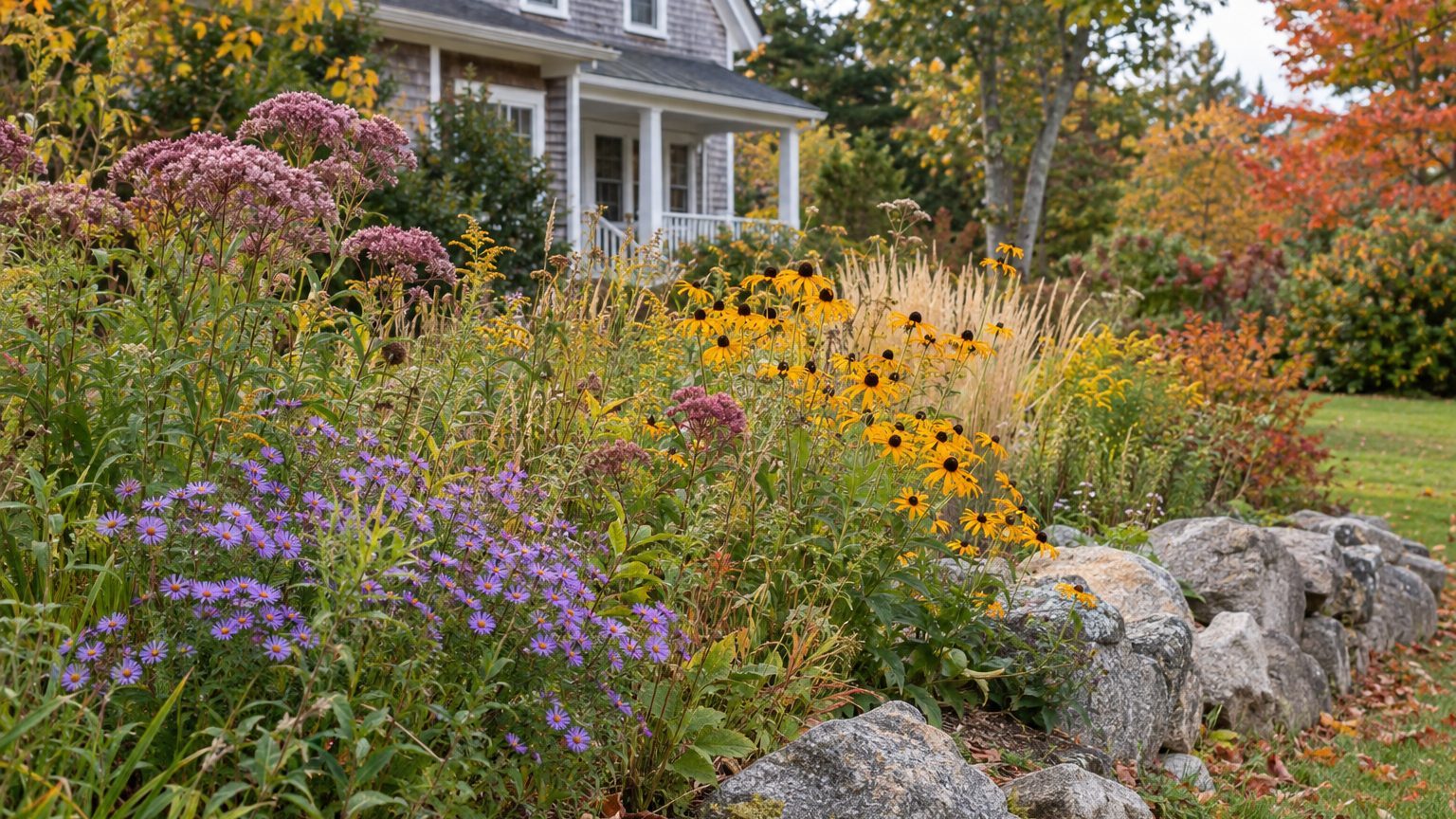
Wildflowers in bloom at the edge of a home yard

Sow in October and November, or in April and May, and the seed will meet the cold and moisture it needs. The year runs like this.

  • In October and November, scatter seed for a fall (dormant) seeding. The seeds do not come up in fall, they wait in the soil and germinate the following spring.
  • Through winter, the cold, moist ground does the work for many native seeds, which need that chill before they will germinate.
  • In January and February, a seeding is still worth doing if the fall window slipped by, since the seeds still get winter cold.
  • In April and May, sow as early as the soil can be worked, using seed that spent the winter in a cold, dry place.
  • After a spring sowing, keep the soil moist until the seeds germinate, because dry ground stops them before they start.

At Burlington, on Lake Champlain, the last spring frost falls between April 30 and May 10, and the first fall frost between October 3 and October 13. The Green Mountains and the Northeast Kingdom run substantially shorter, and hardiness zones across Vermont range from 3b to 5b on the USDA system. Fall sowing is the easier path for most natives, since winter handles the chilling for you.

How to Sow Wildflower Seeds in Vermont

Good sowing is mostly about giving small seeds clear ground and firm contact with it. The steps run in this order.

  • Before sowing, remove the sod and weeds from the bed. Grass and weeds crowd out seedlings that are small and slow to start.
  • Prepare the soil surface so it is bare and loose enough to take seed. Seed that lands on bare earth reaches the moisture it needs.
  • On sowing day, broadcast the seed by hand across the bed. Spreading it by hand lets the seed fall evenly instead of clumping in one patch.
  • Right after scattering, press the seed against the soil without burying it. Most native wildflower seeds are sown on the surface or barely covered, and pressing in gives them contact without cutting off what they need to germinate.
  • In spring plantings, water regularly so the seed stays moist until it sprouts. A fall seeding gets its moisture from winter snow and rain, so it needs no watering.

Annual wildflowers can bloom in the first year. Native perennials often take a year or two, so a bed that looks quiet in its first summer is behaving normally.

Wildflowers That Grow Well in Vermont

Native wildflowers suit Vermont because they are adapted to the regional climate and can survive adverse conditions. Native plants are also far more attractive to pollinators than non-natives, according to research.

The species below are named in extension advice from the region, and they suit a mixed meadow.

Wildflower How it does in Vermont Why
Lanceleaf coreopsis (Coreopsis lanceolata) Drought tolerant, grows well in heat and humidity Host plant for butterfly and moth larvae
Purple coneflower (Echinacea purpurea) Long summer bloom, tolerates infertile soil Seeds feed birds and it mixes well with grasses
Bee balm (Monarda fistulosa) Long summer bloom, drought tolerant Tubular flowers attract hummingbirds
Black-eyed Susan (Rudbeckia hirta) Fast grower, bloom extends into fall Good for early meadow establishment and self-seeds freely

A meadow made of grasses and native wildflowers becomes functional and self-sustaining over time. Choosing a regional mix of native species gives you a bed that fits Vermont’s conditions from the start.

When to Sow, Water and Mow Wildflowers in Vermont

The year breaks into a few tasks, each tied to a season. A fall sowing leaves the watering to winter, while a spring sowing asks you to keep an eye on the soil.

Mowing comes last, after the flowers have finished and the insects have moved on.

Task Best timing in Vermont Why then
Sow in fall October and November Winter cold and moisture lift the dormancy of many native seeds
Sow in late winter January and February Seeds still get enough cold if the fall window was missed
Sow in spring April and May, once the soil can be worked Seedlings get a start before summer heat
Water seedlings After a spring sowing, until the seeds sprout Seeds sown in spring must stay moist to germinate
Mow the meadow Late in the season, after monarch migration Protects butterflies and other insects

Native wildflowers bloom from June through September, beginning with coreopsis and columbine in late June and ending with goldenrods and asters, so mowing waits until the show is over.

Where to Get Wildflower Advice in Vermont

For native species suited to your site or a soil test, University of Vermont Extension and your county extension office are the places to ask.

  • The state extension service offers guidance on native wildflowers and meadow planting, and its advice is worth reading before you order seed.
  • Your county office can help with a soil test, which is worth doing before you prepare the bed.
  • Go in fall if you plan to sow before the ground freezes, so the bed is ready for seed.

Common Questions

Can You Plant Wildflower Seeds in Winter in Vermont?

Yes, in January and February, as long as the ground can be reached. The seeds sit through the remaining cold and sprout in spring.

Do Wildflowers Bloom the First Year?

Annual wildflowers can bloom in their first year. Native perennials often take a year or two, so patience is part of the plan.

How Should You Store Wildflower Seed Until Spring?

Keep it in the refrigerator or another cold, dry place over winter, as extension advice recommends. Then sow it as early in spring as the soil allows.
When Do Wildflowers Bloom in Wyoming?

When Do Wildflowers Bloom in Wyoming?

Penstemons color Wyoming yards in June, and the show rolls on through late summer as the taller natives take over. Wildflowers here follow a short, bright season shaped by cold winters and a growing season that can be brief at altitude.

When Do Wildflowers Bloom in Wyoming?

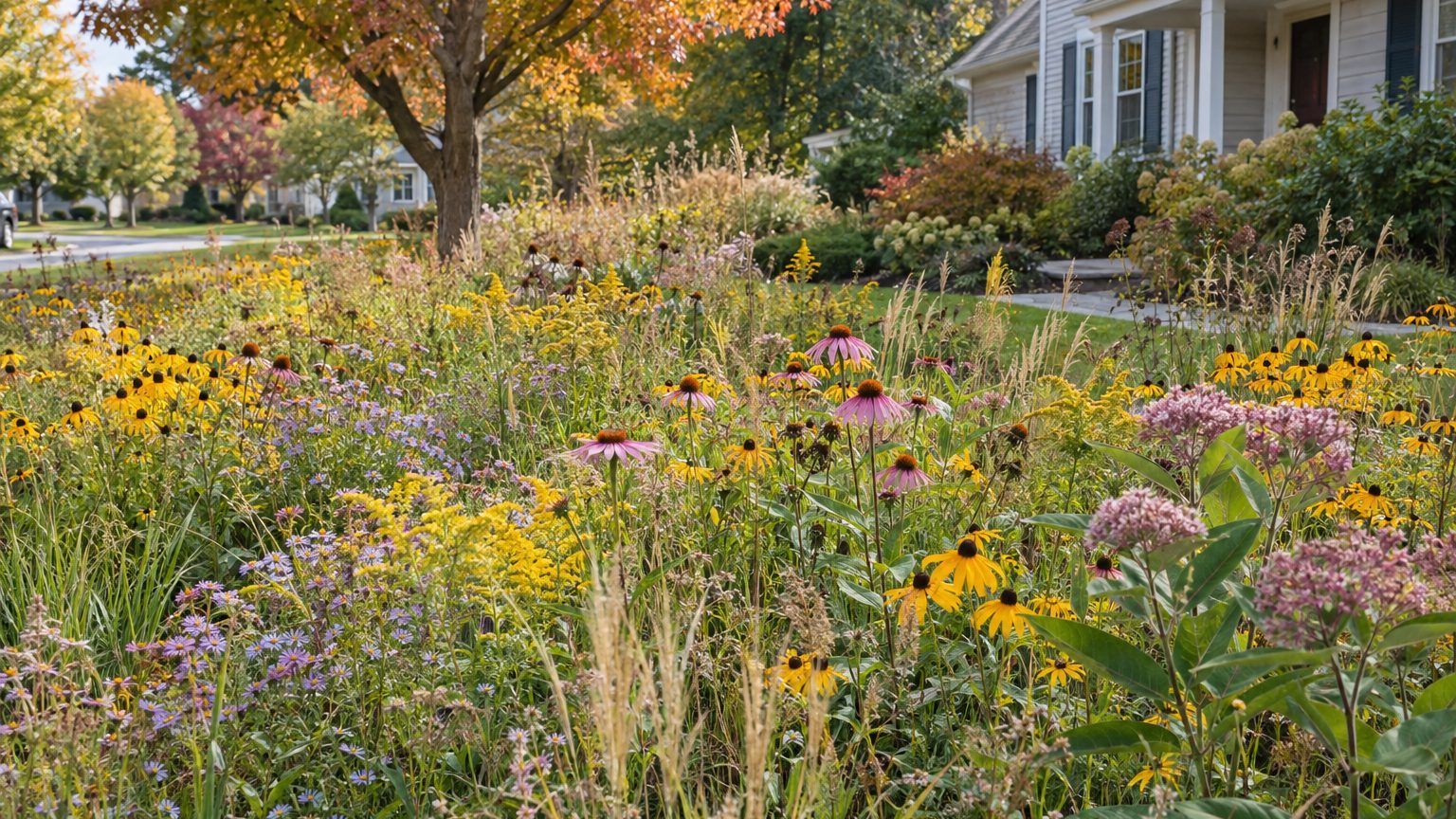
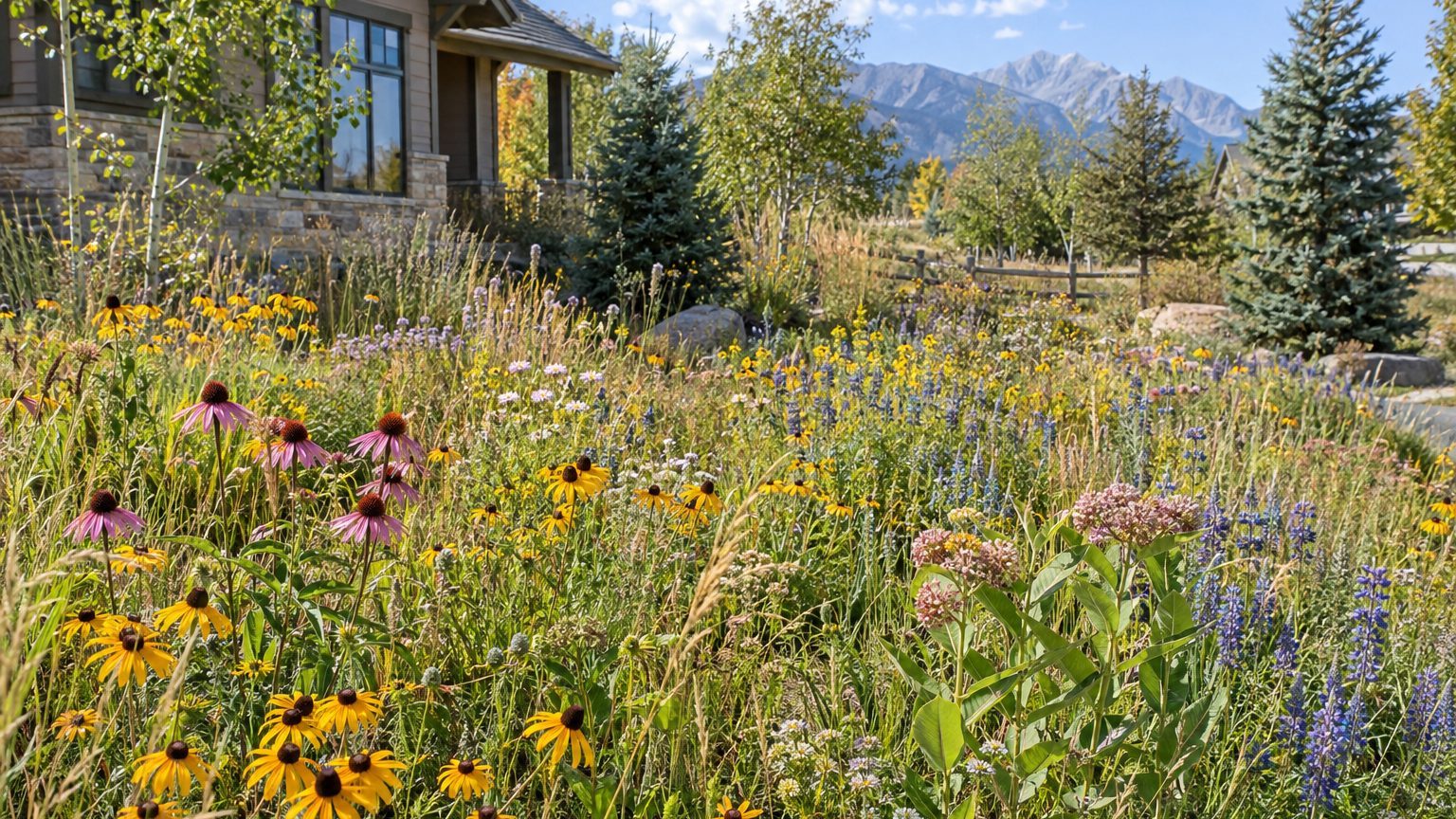
Native wildflowers in bloom in a home meadow

Native wildflowers bloom from June through September in Wyoming. Penstemons open first, usually in June, and the later bloomers carry color from July to September. Frost can arrive in any month at higher elevations, so plants there rush through the season.

Season What blooms in Wyoming What to know
Early summer (June) Penstemons Bloom season is short, usually the month of June. They grow best in lean, dry soil that mimics their native habitat.
Midsummer to early fall (July to September) Maximilian sunflower A late bloomer that keeps flowering as other plants wind down. It has been used in plantings that support wild bees.

Blanketflower is another choice for dry, sunny, well-drained spots, though many of the commercial varieties are non-native hybrids. Native plants suit the local pollinators, so start there and add non-native ornamentals selectively. Last spring frost falls between May 7 and May 18 at the reference station in Cheyenne, and roughly 130 frost-free days at 6,000 feet leave a modest window for growth.

Why Wildflowers May Not Bloom the First Year

Annual wildflowers bloom the first year. Native perennials work underground first, building roots, and often take a year or two to flower. A planting that looks like green leaves in its first summer is usually doing exactly what it should.

While you wait, mow the planting high during the first year if weeds crowd in. Keep spring-sown seed moist until it germinates. A fall (dormant) seeding does not come up in fall. The seeds wait in the soil over winter, since many natives need a cold, moist winter before they germinate, and they sprout the next spring.

Fall seeding in October or November suits Wyoming well, because seedlings use fall and winter moisture while spring soils can dry out quickly. Penstemons from such a sowing may still need a season or two before they flower.

What to Do After Wildflowers Bloom in Wyoming

Leave the spent flowers standing so the seeds can ripen and drop. Self-sown seedlings fill gaps the following spring, and the seed heads of late bloomers like Maximilian sunflower stay useful well into fall.

Fall is also the moment to extend a planting. Scatter new seed in October or November onto bare soil, press it in rather than burying it, and let winter do the work of preparing it to sprout.

Cut back old stems once the season is over, either in late fall or at the end of winter before new growth starts. Leaving them through winter gives the seed a chance to scatter first. Penstemons prefer lean, dry ground, so skip the compost and fertilizer when you tidy up.

Where to Get Wildflower Advice in Wyoming

Local growing conditions vary a lot with elevation, so advice from people who know your ground pays off. Two places are worth a call or a visit.

  • University of Wyoming Extension offers guidance on native plants and penstemons, so check there before choosing seed.
  • Your county extension office can tell you which natives suit your elevation and soil, and it is a good first stop before the October and November sowing window.

Common Questions

Can You Plant Wildflower Seed in Spring in Wyoming?

Yes, though spring-sown seed must stay moist until it germinates, and spring soils can dry out quickly depending on unpredictable precipitation. That is why a fall seeding often does better.

What Kind of Soil Do Penstemons Like?

Lean, dry soil. Garden conditions should mimic the plant’s native habitat as closely as possible, so avoid rich, wet beds.

Should You Choose Native or Non-Native Wildflowers?

Consider natives first, since they are adapted to the environment and the local pollinator community. Non-native ornamentals can also feed pollinators, so choose them selectively.

When to Plant Wildflower Seeds in Nova Scotia

When to Plant Wildflower Seeds in Nova Scotia

Seed heads rattle on the dry stems of goldenrod and black-eyed Susan in late fall, and the same cold that browns them is what native wildflower seeds are waiting for. In Nova Scotia, you can sow from late fall into winter, or else in early spring.

When Is the Best Time to Plant Wildflower Seeds in Nova Scotia?

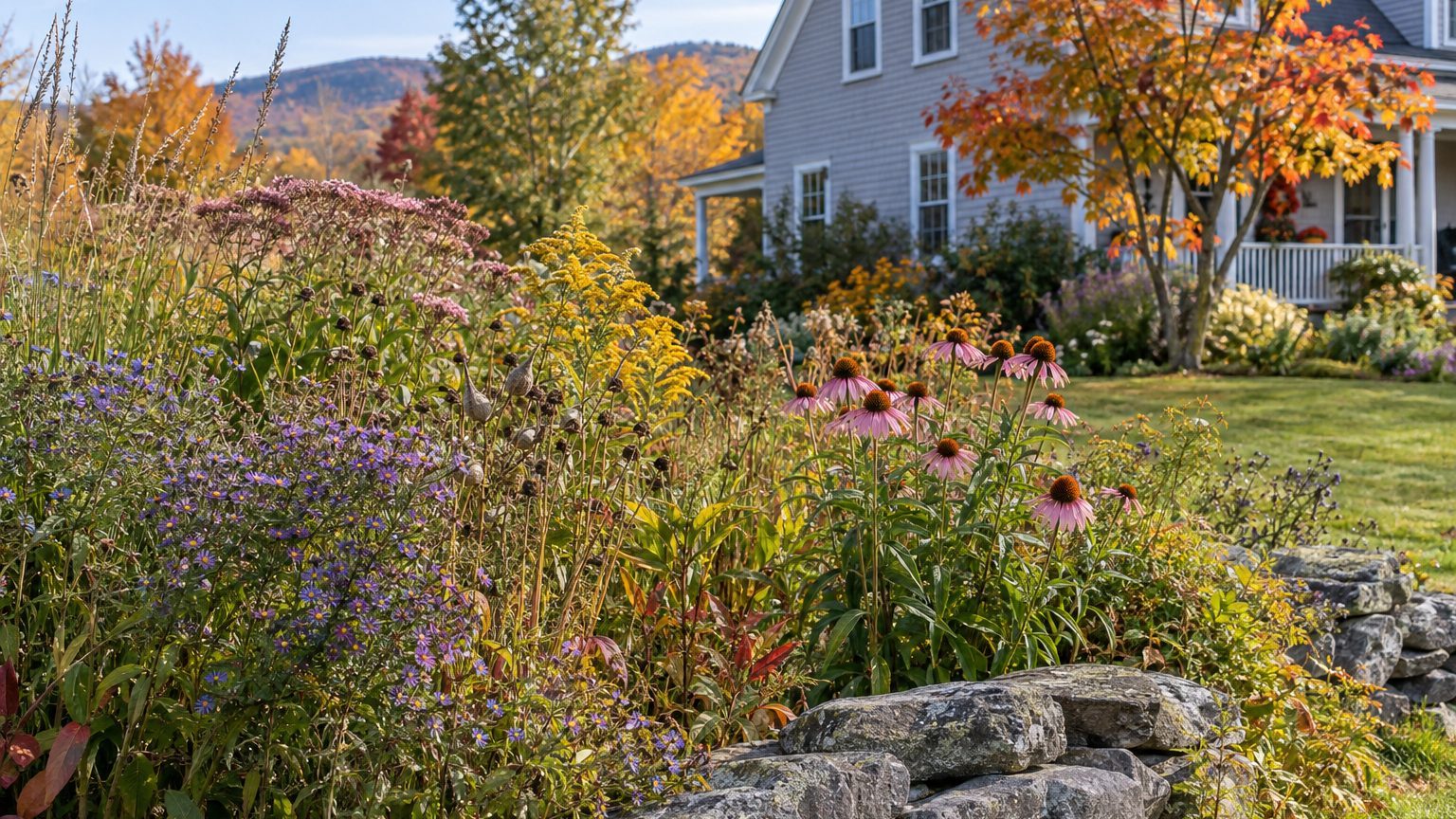
Wildflowers in bloom at the edge of a home yard

Sow in October and November, so the seed spends the winter outdoors, or in April and May, as soon as the soil can be worked. Frost dates below are for Halifax, in Canadian hardiness zone 6b.

  • In October and November, scatter seed on bare ground, since many native wildflower seeds need a cold, moist winter before they germinate.
  • Through winter, the seed stays put in the soil, and a fall sowing does not come up in fall but waits until the following spring.
  • In January or February, a missed fall window can still be rescued, because the seed still gets the winter cold it needs.
  • In April and May, sow as early as the soil can be worked, using seed that was kept cold and dry over the winter.
  • After a spring sowing, keep the soil moist until the seedlings emerge, since dry spells at that stage stop germination.

In Halifax, the average last spring frost is May 7, and the average first fall frost is October 18. Those are midpoints, so frost arrives later than the spring date in about half of years and earlier than the fall date in about half as well. Upland and northern parts of the province run weeks behind Halifax. These months follow the nearest comparable climate in upstate New York and New England, so confirm local timing with a garden centre, a garden society or a provincial gardening group.

How to Sow Wildflower Seeds in Nova Scotia

Good sowing is mostly about contact between seed and bare soil. The steps are short, and each has a reason.

  • Prepare the site first, because seedlings cannot compete with an established mat of growth.
  • Remove the sod and the weeds down to bare soil, since turf and vigorous weeds shade and crowd out young wildflowers. Turning a lawn into a meadow starts with this step.
  • Broadcast the seed by hand, walking the bed in a steady pattern so the coverage stays even.
  • Press the seed against the soil without burying it, for example by stepping on it or tamping it with a board. Most native wildflower seed is sown on the surface or barely covered, and pressing gives it the contact it needs to take up moisture.
  • Water a spring sowing regularly until the seeds germinate, because a seed that dries out after it starts to swell will not recover.
  • Leave a fall or winter sowing unwatered, since the winter moisture and cold do that work.

Annual wildflowers can bloom the first year. Native perennials often take a year or two, so a new meadow looks sparse at first, and that is normal.

Wildflowers That Grow Well in Nova Scotia

Native wildflowers do well because they are adapted to the regional climate and can survive adverse conditions. Research has also found them more attractive to pollinators than non-natives, at about four times the appeal. A meadow of grasses and native wildflowers becomes self-sustaining over time.

These species are suited to meadow plantings of this kind, with notes drawn from regional extension guidance.

Wildflower How it does in Nova Scotia Why
Black-eyed Susan Quick to establish, with a long summer bloom into fall Fast grower that self-seeds freely and tolerates drought and salt
Purple coneflower Long summer bloom and interest across seasons Drought resistant, tolerates infertile soil and feeds birds with its seeds
Bee balm Long summer bloom Drought tolerant, and its tubular flowers attract hummingbirds
Lanceleaf coreopsis Dependable in summer heat and humidity Drought tolerant and a host plant for butterfly and moth larvae

Columbine, foxglove beardtongue, oxeye sunflower, goldenrod and aster fit the same meadow. Whichever you choose, buy a regional mix of native species so the seed suits local conditions.

When to Sow, Water and Mow Wildflowers in Nova Scotia

The year divides into sowing in the cold months, watering in spring, and mowing when the season ends. Each gesture has a sign you can read in the yard as well as a month.

Task Best timing in Nova Scotia Why then
Sow in fall October and November, with January or February as a fallback Winter cold and moisture break seed dormancy
Sow in spring April and May, once the soil can be worked Early sowing gives seedlings moist, cool ground to start in
Water seedlings After a spring sowing, until the seeds have germinated Seeds sown in spring must stay moist to sprout
Mow Late in the season, after monarch migration Protects butterflies and other insects still using the stems

Bloom runs from June through September. Coreopsis and columbine open by late June, followed by bee balm and oxeye sunflower in midsummer, then goldenrods and asters into fall. Mow after those finish, leaving standing stems as long as insects are using them.

Where to Get Wildflower Advice in Nova Scotia

The province has no county extension offices, so advice comes from the provincial agriculture ministry, local gardening groups and garden centres.

  • Nova Scotia’s agriculture department, Nova Scotia Agriculture, is the place for questions on native species and soil testing, and its guidance is worth reading before you buy seed.
  • A local garden society or master gardener group can tell you how your district runs compared with Halifax, which helps in upland areas.
  • A nearby garden centre can point you to a regional native mix, and late summer is a good time to ask, before the fall sowing.

Common Questions

Can You Plant Wildflower Seeds in Winter in Nova Scotia?

Yes. January or February sowing still gives many seeds the cold they need, so it works as a fallback when fall passes. Scatter the seed on bare soil or a thin cover of snow, and it will come up in spring.

Do Wildflowers Bloom the First Year?

Annual wildflowers can bloom the first year after sowing. Native perennials often wait a year or two, so expect green growth first, with flowers following as the roots settle in.

How Should You Store Wildflower Seed Before a Spring Sowing?

Keep it cold and dry over the winter, in the refrigerator or another place that stays just above freezing. Then sow it as early in spring as the soil can be worked.

When Do Wildflowers Bloom in Illinois?

When Do Wildflowers Bloom in Illinois?

Early spring in an Illinois woodland brings the first color of the year, long before the lawn needs its first mowing. Wildflowers here follow a loose sequence, with woodland species opening first and prairie plants taking over as summer arrives.

When Do Wildflowers Bloom in Illinois?

Native wildflowers in bloom in a home meadow

Native wildflowers bloom in Illinois mostly in April and May, with March possible for the earliest woodland species and June for those that run a little later. Prairie species carry the show later in summer.

Season What blooms in Illinois What to know
Spring Woodland wildflowers in moist woods and clearings Bloom runs from March to May, peaking in April and May
Summer Prairie species, including butterfly milkweed Later bloom than the woodland group, full sun and well-drained soil suit them

Frost dates are a reference point only. At the Chicago airport station, the last spring frost falls between April 11 and April 22, and gardens in the suburbs or the country usually see it later. Check your own county before you plant anything tender.

Milkweed deserves a mention beyond the table, since several native plants of that kind are needed by native insects. Prairie dropseed, a native grass, pairs well with them and tolerates clay.

Why Wildflowers May Not Bloom the First Year

Annual wildflowers bloom the first year, because they live out their whole cycle in one season. Native perennials work differently. They spend the first stretch building roots, and they often take a year or two to bloom, so a bare-looking planting in its first summer is normal.

Many native seeds also need a cold, moist winter before they germinate. A fall seeding does not come up in fall, since the seeds wait in the soil and sprout the next spring. Spring sowings must be kept moist until germination.

While the roots settle, a new prairie planting is mowed high several times in its first summer to hold back weeds. Midsummer sowing in July and August is best avoided, because drought is common and late seedlings do not root well before winter.

What to Do After Wildflowers Bloom in Illinois

Once the flowers fade, leave the seed heads standing so the seeds can ripen and drop. That is how many native wildflowers fill in over the years, and it also leaves cover for native insects through the cold months.

Fall is also the time to add more. In Illinois, autumn is a good moment to spread seed into an existing prairie or a prepared bed, since the seeds meet the natural freeze and thaw cycle of winter and are ready to germinate the next spring.

The window for that fall sowing runs October through December. If fall slips by, late winter works too, in February and March. Spring sowing in April and May is the other route, and it can stretch into June and July if needed.

  • Fall sowing, October through December, lets winter do the cold treatment.
  • Late winter sowing, February and March, gives a shorter cold spell outdoors.
  • Spring sowing, April and May, needs steady moisture until the seedlings appear.

Most native prairie plants do best on well-drained soil in full sun, so choose the spot before choosing the date.

Where to Get Wildflower Advice in Illinois

University of Illinois Extension publishes seasonal guidance on native plants and prairie gardens, and your county office can answer questions about local soil and frost timing.

  • The extension website carries articles on starting a native prairie garden from seed.
  • The county extension office can help with local conditions when you are planning beds.

Common Questions

Can You Plant Wildflowers in Illinois in Winter?

Yes, late winter in February and March works for sowing. The seeds lie on the soil and get the cold, moist conditions many natives need before they germinate.

Do Native Wildflowers Come Back Every Year?

Perennials return from established roots, and seed that drops from ripened heads adds new plants. Annuals bloom the first year and rely on reseeding to come back.

Do Wildflowers Help Pollinators?

Locally native plants attract native pollinators, and milkweed in particular is needed by native insects. A mix of early and later bloomers gives them something to visit across the season.

The almanac, state by state. Every date on this site comes from a state’s own frost facts and its extension service’s calendar — and says where it comes from.